In short, distinguishing between a bad sprain and a fracture can be challenging, but understanding key symptoms can guide you toward the right care.
Here’s what you need to know:
- Pain and swelling levels: Severe pain, swelling, and inability to bear weight could indicate a fracture, while sprains often present with moderate pain and swelling.
- Visible deformity: A noticeable deformity or misalignment may point to a fracture rather than a sprain.
- When to seek care: Prompt evaluation by an orthopaedic specialist or urgent care is critical for both injuries to ensure proper diagnosis and treatment.
Whether you rolled your ankle on the stairs or landed hard on your wrist during a game, pain and swelling can leave you wondering: is this a bad sprain, or a fracture?
It’s one of the most common questions patients ask, and understandably difficult to assess on your own. Both injuries can look and feel very similar in the moments after they occur.
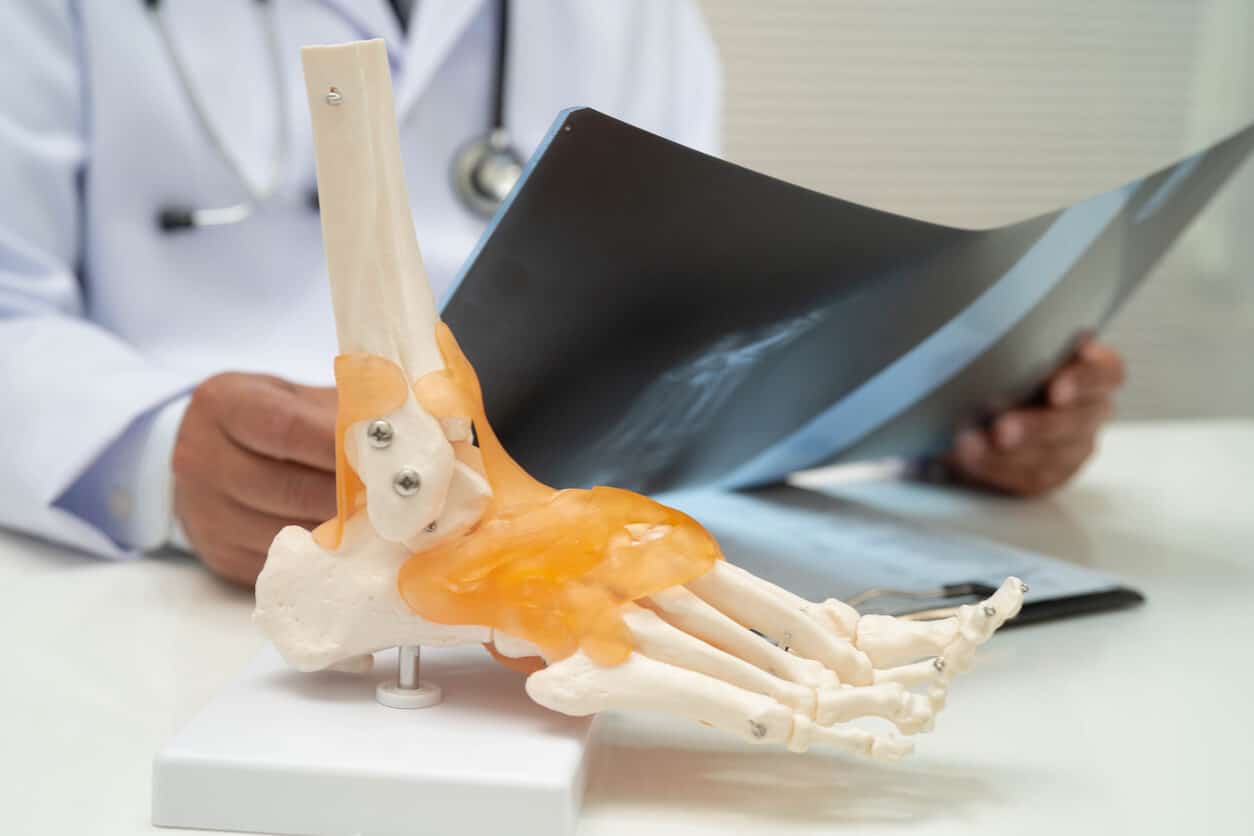
An orthopaedic specialist can accurately distinguish a sprain from a fracture using a focused physical exam and on-site imaging. Seeking urgent care for sprains and suspected fractures gets you a clear diagnosis and the right treatment fast, so you can start healing with confidence.
Understanding Sprains: What Happens Inside the Joint
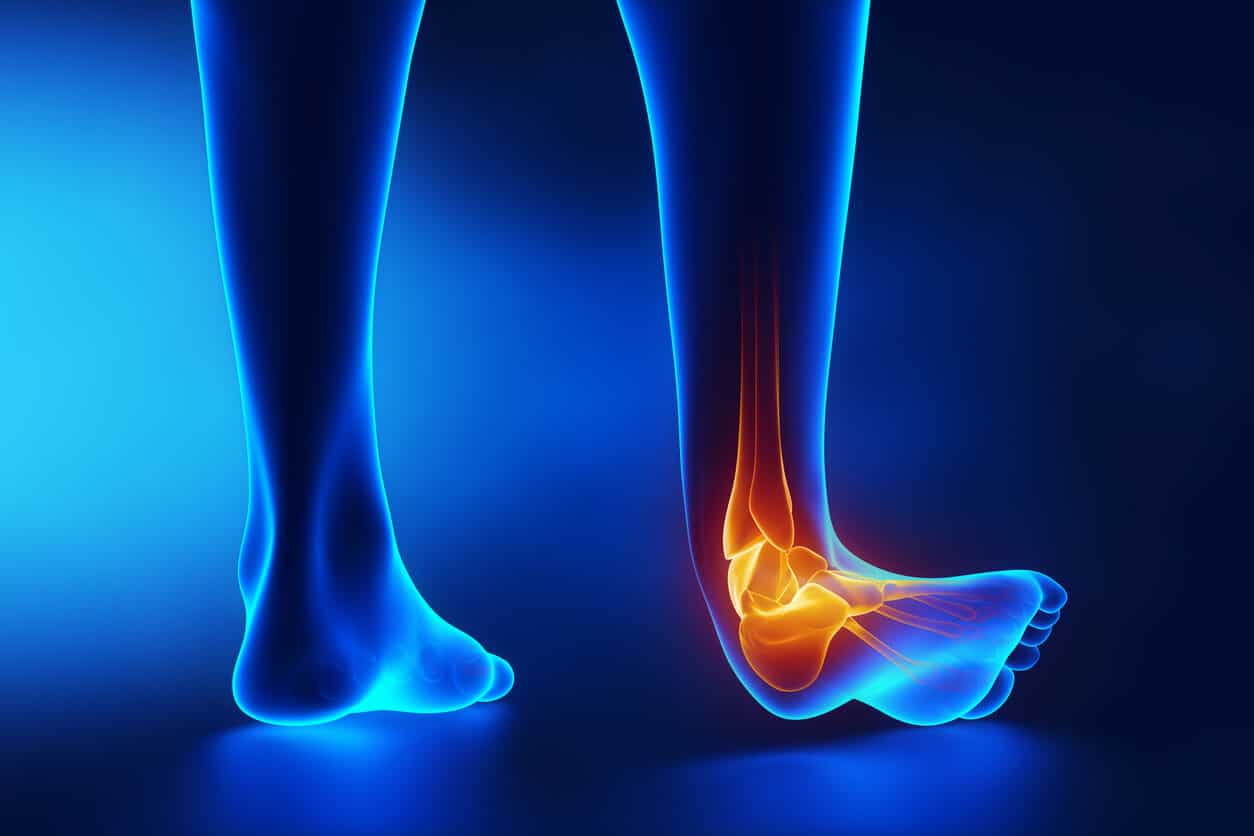
A sprain is an injury to a ligament, the strong band of tissue that connects one bone to another and helps stabilize your joints. When a joint is forced beyond its normal range of motion, the ligament stretches or tears.
Orthopaedic specialists grade sprains by severity, which helps guide the right treatment:
- Grade 1 (Mild): The ligament is stretched but not torn, resulting in minor pain and swelling.
- Grade 2 (Moderate): The ligament is partially torn, causing significant pain, swelling, bruising, and limited joint function.
- Grade 3 (Severe): The ligament is completely torn, leading to severe pain, swelling, joint instability, and an inability to bear weight.
What Causes a Sprain and What Does It Feel Like?
Sprains are very common and often caused by everyday movements and activities, such as:
- Twisting an ankle on an uneven surface — in fact, ankle sprains are among the most common musculoskeletal injuries in the US, according to the National Institutes of Health (NIH).
- Falling and landing on an outstretched wrist.
- Pivoting suddenly during a sport, injuring a knee.
If you have a sprain, you will likely notice a combination of these symptoms at or around the joint:
- Pain and tenderness
- Swelling that appears quickly
- Bruising or discoloration of the skin
- Limited ability to move the joint
- A “popping” sound or sensation at the time of injury
For very mild sprains, you may be able to manage symptoms at home with the R.I.C.E. method: Rest, Ice, Compression, and Elevation.
However, if the pain is intense or you cannot use the limb, that is a clear sign you need a professional evaluation. Seeking urgent care for sprains at this stage helps rule out a more serious injury and prevents a moderate sprain from becoming a chronic problem.
Understanding Fractures: When the Bone Itself Is Injured
A fracture is the medical term for a broken bone. Unlike a sprain, which affects the soft tissue connecting bones, a fracture is an injury to the bone itself.
A fracture can range from a tiny, hairline crack to a complete break that separates the bone into two or more pieces.
How Do Fractures Happen and What Are the Symptoms?
Fractures usually result from significant force, such as:
- A direct blow from a fall or accident.
- High-impact trauma from a car crash or sports collision.
- Repetitive stress on a bone, leading to a stress fracture (common in runners).
It is also worth noting that fractures are more likely to occur in older individuals, particularly older women. According to the World Health Organization (WHO), age-related bone density loss significantly increases fracture risk, making preventive care especially important for this population.
The symptoms of a fracture can be intense and immediate. Key signs include:
- Severe, sharp pain that worsens when you move or put pressure on the area.
- Significant swelling and bruising.
- A visible deformity, meaning the limb looks bent, crooked, or out of place.
- Inability to bear weight or use the limb.
- A grinding or grating sensation (called crepitus) at the time of injury or when the limb is moved.
Are There Different Types of Fractures?
Yes. Orthopaedic specialists classify fractures in several ways, and knowing the type helps determine the best treatment. Some common types include:
- Hairline Fracture: A small crack in the bone.
- Comminuted Fracture: The bone is broken into three or more pieces.
- Open (or Compound) Fracture: A serious medical emergency in which the broken bone pierces through the skin, carrying a high risk of infection.
Why Is It So Hard to Tell the Difference?
The main reason self-diagnosis is so challenging is the overlap in symptoms. Both a severe sprain and a fracture can cause immediate pain, significant swelling, and bruising that makes it difficult to use the limb.
Without a clear view of the underlying bone and ligaments, it is nearly impossible to be certain about the nature of your injury. This is exactly why a professional medical opinion matters so much.
Clues That Point to a Fracture
While only an X-ray can confirm a fracture, some signs make a broken bone more likely. Be especially concerned about a fracture if you notice:
- An obvious deformity: Your arm, leg, finger, or toe is visibly bent or out of alignment.
- Inability to bear weight: If you cannot put any weight on the injured limb at all, a fracture is a strong possibility.
- Pain directly over the bone: A specific point of extreme tenderness along the bone, rather than the soft joint area, may indicate a fracture.
- Numbness or tingling: A “pins and needles” sensation can suggest the injury is affecting nearby nerves, which is more common with fractures.
- A loud “crack” or “snap”: A loud, audible cracking sound at the moment of injury often points to a broken bone.
When to Visit Urgent Care for Sprains
For most sprains and suspected simple fractures, an orthopaedic urgent care center is an excellent first stop. Choose urgent care for sprains when you have:
- Pain, swelling, or bruising around a joint without any obvious deformity.
- Difficulty using the limb, but no bone protruding through the skin.
- A stable injury to a finger, toe, hand, wrist, ankle, or foot.
A specialized orthopaedic team can provide a prompt evaluation, perform on-site X-rays, and deliver immediate care to stabilize your injury and relieve your pain, typically with shorter wait times and lower costs than a hospital emergency room.
When to Go to the Emergency Room
Some injuries require immediate hospital-level care. Call 911 or go to the nearest emergency department if you experience any of the following:
- A bone is protruding through the skin.
- The injured limb looks obviously deformed or bent out of shape.
- You cannot move the fingers or toes of the injured limb.
- The area becomes numb, cold, or pale.
- You also experienced an injury to the head, neck, or back.
What to Expect at Your Appointment
We understand that visiting a healthcare provider for an injury can feel stressful. Our goal is to make the process as clear and comfortable as possible. Here is what you can expect:
- A thorough discussion: Your provider will ask you to describe exactly how the injury happened, what you were doing, and what you felt or heard.
- A gentle physical exam: The provider will carefully examine the injured area, checking for swelling, bruising, and points of tenderness, and will assess your range of motion and nerve function.
- Imaging tests: X-rays are typically used to diagnose fractures, while an MRI may be recommended if a severe ligament injury is suspected.
How Are Sprains and Fractures Treated?
An accurate diagnosis is the key to the right treatment plan. Once your provider knows exactly what you are dealing with, they can tailor care to your specific injury.
Treatment for Sprains
- Mild to moderate sprains: Treatment often involves the R.I.C.E. method, over-the-counter pain relievers, and sometimes a brace or splint to support the joint as it heals.
- Severe sprains: Severe sprains involving a completely torn ligament may require prolonged bracing, physical therapy, or in some cases, surgical repair to fully restore strength and stability.
Treatment for Fractures
- Immobilization: The primary goal is to hold the broken bone in place, so it heals correctly, usually with a cast, splint, or special boot.
- Reduction: If bone fragments are misaligned, our team will carefully realign them and ensure you are connected with the right specialist for further care if needed.
- Surgery: For severe fractures, surgery may be necessary to insert pins, plates, or screws that hold the bone together while it heals.
Frequently Asked Questions (FAQ)
Here are some common questions and answers to help you better understand treatment options, including when to seek urgent care for sprains and fractures.
What is the difference between a sprain and a fracture?
A sprain refers to a stretch or tear in a ligament, which connects bones at a joint. A fracture, on the other hand, is a break in a bone. While both can cause pain and swelling, fractures typically involve more severe pain and may require imaging such as X-rays for proper diagnosis.
How can I tell if I have a sprain or a fracture?
Common signs of a sprain include swelling, bruising, and difficulty using the joint, but you may still bear weight. Fractures often cause intense pain, significant swelling, and visible deformity or inability to move the limb. If you’re unsure, seeking medical evaluation is the best course of action.
When should I seek urgent care for sprains or fractures?
If you experience severe pain, inability to bear weight, visible deformity, or if swelling and bruising persist, it’s important to seek medical attention promptly. Early treatment can prevent complications and ensure proper healing.
How are sprains and fractures treated?
Sprains are often treated with rest, ice, compression, and elevation (RICE) along with anti-inflammatory medications. Fractures, however, may require immobilization, reduction, or even surgery, depending on the severity and location of the break.
What can I do to prevent sprains and fractures?
You can reduce the risk of sprains and fractures by wearing appropriate footwear, warming up before exercise, maintaining a healthy diet, and practicing balance and strength training to improve joint stability and bone health. Always be cautious in activities that carry a risk of falls or impacts.
Visit Urgent Care for Sprains or Fractures in Holly Springs, NC
Do not leave your injury to chance. At Cary Orthopaedics, our experienced orthopaedic team provides prompt, specialized evaluations to give you a clear diagnosis, effective pain relief, and a personalized treatment plan tailored to your recovery goals.
If you are experiencing a painful sprain or suspected fracture, we are here to help you heal with confidence. To request urgent care for sprains or a suspected fracture, call us at (919) 573-4825 or walk in to be seen today.