
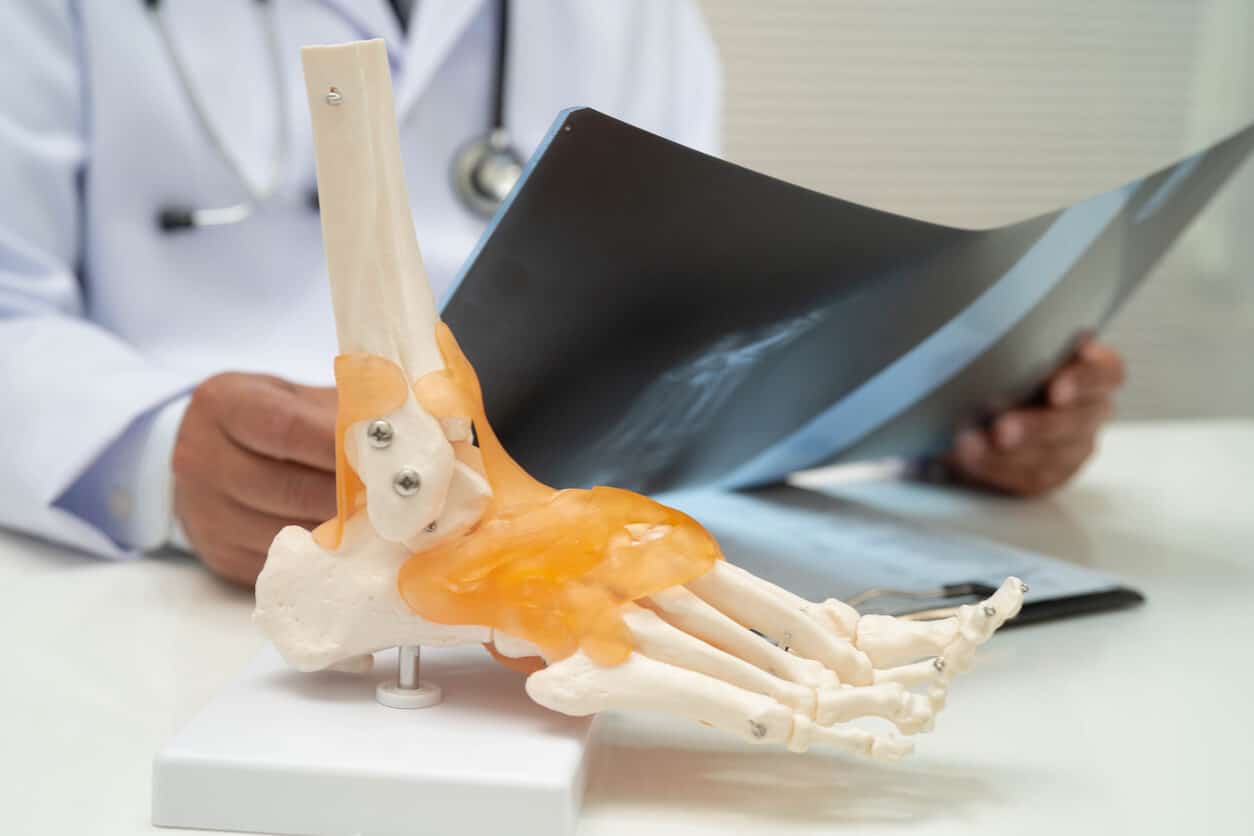
In short, foot and ankle surgery can be an effective solution for those experiencing significant discomfort or mobility issues that have not improved with non-surgical treatments.
Here are three key points to consider:
- Surgery is often recommended for chronic pain, deformities, or injuries that impact daily activities and quality of life.
- Non-surgical options should typically be explored first, including physical therapy, orthotics, or medication.
- Consulting with a qualified specialist is essential to determine if surgery is the best course of action for your specific condition.
When persistent foot or ankle pain affects your daily life, and non-surgical treatments like physical therapy, medication, or orthotics no longer provide relief, it may be time to consider foot and ankle surgery near you.
This guide will walk through who benefits from surgery, the most common procedures and how they work, what recovery actually looks like, and how to find and evaluate a qualified specialist close to home. Our goal is to give you a clear, honest picture so you can make a well-informed decision about your care.
What Is Foot and Ankle Surgery Near Me?
Foot and ankle surgery covers a range of specialized procedures that target the complex network of bones, joints, ligaments, tendons, and nerves below the knee.
Orthopedic surgeons with specialized training in the unique biomechanics of the foot and ankle perform these interventions. Their expertise allows for precise diagnosis and treatment tailored to how your body moves, bears weight, and heals.
The foot and ankle function together as a sophisticated mechanical system. When one part is damaged or misaligned, it can create a ripple effect, causing pain and instability. According to the National Institutes of Health (NIH), this may eventually lead to broader postural and mobility problems.
A specialist understands these relationships and designs each procedure to restore the entire system, not just the obvious problem area.
Who Might Need Foot and Ankle Surgery?
Surgery becomes a meaningful option when conservative treatments have not delivered adequate relief. You may be a candidate if you are dealing with any of the following:
- Chronic pain that does not respond to non-surgical treatments such as physical therapy, medication, injections, or orthotics.
- Severe or progressive deformities that affect your mobility, including bunions, hammertoes, and flatfoot.
- Acute injuries such as complex fractures, severe ankle sprains involving ligament tears, or Achilles tendon ruptures.
- Degenerative conditions like osteoarthritis and rheumatoid arthritis that cause significant joint damage and ongoing pain.
If your symptoms fit one or more of these categories, a consultation with a specialist is the logical next step toward understanding your options.
The Goals of Surgical Intervention
The purpose of foot and ankle surgery is to improve your quality of life in concrete, measurable ways. A well-planned procedure works to:
- Reduce pain so you can return to your daily activities.
- Correct underlying structural problems at their source.
- Restore stability and strength for better mobility and balance.
- Prevent your condition from deteriorating or causing secondary complications.
How Foot and Ankle Surgery Works
Modern surgical techniques are grounded in a detailed understanding of biomechanics and anatomy. Surgeons repair damaged structures, realign bones, or replace compromised joints to restore optimal function.
The right approach depends on your specific diagnosis, the severity of your condition, and your overall health.
Common Surgical Techniques
- Osteotomy: Reshaping a bone to correct alignment, often used for bunions, flatfoot, and certain forms of arthritis.
- Arthrodesis (Fusion): Fusing two or more bones together to eliminate painful motion and provide lasting stability, typically for severe arthritis.
- Arthroplasty (Joint Replacement): Replacing damaged joint surfaces with artificial implants in cases of end-stage ankle arthritis, preserving motion while relieving pain.
- Tendon Repair or Transfer: Mending torn tendons or rerouting healthy ones to restore strength and movement.
- Ligament Reconstruction: Using grafts to rebuild damaged ligaments and resolve chronic ankle instability.
Anesthesia and the Surgical Environment
Procedures take place in a sterile operating room supported by a multidisciplinary team, including your surgeon, an anesthesiologist, nurses, and surgical technologists. This team works together to keep you safe and comfortable throughout.
Depending on the procedure, you may receive general anesthesia or a regional nerve block, often combined with sedation. Your anesthesiologist will discuss the best option for you prior to your surgery.
The Treatment Process
Understanding the surgical process can help you feel more prepared. Your surgical journey is divided into several phases, each with a specific purpose.
Pre-Surgical Evaluation and Preparation
Your care begins with a comprehensive assessment, including a physical examination, a review of your medical history, and imaging studies such as X-rays, MRI, or CT scans to pinpoint the diagnosis.
Your team will then discuss every treatment option with you, explaining the benefits and risks of surgery in plain language.
Before your procedure, you will receive pre-operative instructions covering medication adjustments, fasting, and any lifestyle changes that support healing, such as quitting smoking.
Your surgeon and anesthesiologist will also assess your overall health to identify and reduce any surgical risks.
The Surgical Procedure
On the day of surgery, your anesthesiologist administers anesthesia to keep you comfortable, and your surgeon performs the planned procedure using either a minimally invasive or open approach. Once complete, the incisions are closed with sutures or staples, and sterile dressings are applied.
Immediate Post-Operative Care
In the recovery room, your nursing team monitors your vital signs, manages your pain with medication, and oversees your recovery from anesthesia. Your foot or ankle will be immobilized in a cast, splint, or walking boot to protect the repair.
Before you head home, you will receive detailed discharge instructions covering home care, your medication schedule, activity restrictions, and follow-up appointment details.
Benefits and Effectiveness: What to Expect
When performed by an experienced specialist, foot and ankle surgery can deliver life-changing improvements measured in reduced pain, restored function, and enhanced mobility.
Pain Relief and Improved Function
Most patients experience substantial, long-term relief from chronic pain after surgery. Improved joint mechanics make walking, standing, and staying active easier.
Surgical correction of deformities like bunions or hammertoes improves the fit and comfort of everyday shoes. In addition, repairing ligaments or tendons can prevent recurrent sprains and instability.
According to the National Athletic Trainers’ Association (NATA), acute ankle sprains are one of the most common musculoskeletal injuries, particularly among physically active individuals, and surgical repair can be a crucial step in preventing future issues.
Long-Term Outcomes and Quality of Life
The benefits frequently extend well beyond the immediate recovery period. Surgery often provides durable, long-lasting solutions that allow patients to return to hobbies, sports, and work.
Many people also report a meaningful boost in mood and overall life satisfaction once their pain is relieved and their independence is restored. Just as important, correcting alignment and stabilizing joints helps prevent progressive wear and the worsening of arthritis over time.
Risks and Considerations
Foot and ankle surgery near you is generally safe, but like any operation, it carries risks. A trustworthy surgical team will discuss these openly so you can make a fully informed decision.
General Surgical Risks
Every surgery carries a degree of risk, including:
- Infection at the surgical site, though this risk is small.
- Bleeding, with a potential for excessive blood loss.
- Anesthesia complications, which are rare but possible.
- Blood clots, including deep vein thrombosis (DVT), could lead to a pulmonary embolism.
Preventive measures are routinely taken to reduce these risks.
Factors That Influence Your Risk
Certain conditions, including diabetes and peripheral vascular disease, can elevate surgical risk. Smoking also impairs healing significantly.
Above all, closely following your post-operative instructions is one of the most powerful steps you can take to protect your outcome.
Recovery and Aftercare
Recovery is where good surgical results become lasting ones. It calls for patience, dedication, and close teamwork with your healthcare team.
Post-Operative Recovery Timeline
While every case is different, recovery often follows this general pattern:
- Initial immobilization (Weeks 1–6): A period of non-weight-bearing rest in a cast or boot to protect the repair.
- Gradual weight-bearing (Weeks 6–12): A slow, guided increase in weight as healing progresses.
- Rehabilitation phase (Months 3–6+): Focused physical therapy to rebuild strength, flexibility, balance, and a normal gait.
- Full recovery: Anywhere from six months to a year, depending on the complexity of the surgery.
Rehabilitation and Physical Therapy
Physical therapy plays a central role in your recovery. A skilled therapist will guide you through a personalized program that includes:
- Exercises to restore range of motion and strength
- Hands-on manual therapy for stiff joints and soft tissues
- Gait training to relearn natural walking patterns
- A home exercise program to maintain your progress between sessions
Long-Term Care and Lifestyle Adjustments
Protecting your results means making a few lasting adjustments. Choose supportive, well-fitting shoes, and work with your team to plan a gradual, safe return to your favorite activities.
Regular follow-up appointments allow your surgeon to monitor your long-term outcomes, and maintaining a healthy weight, staying active, and eating well all support continued joint health.
Find a Foot and Ankle Specialist Near You
Once you have decided to explore surgery, the next step is finding the right surgeon. Searching for foot and ankle surgery near you will surface plenty of options, so it helps to know what truly distinguishes an excellent specialist from the rest.
What to Look For in a Surgeon
- Specialized training and board certification: Look for an orthopedic surgeon with fellowship training specifically in foot and ankle care to ensure focused expertise.
- Relevant experience: Ask how often the surgeon performs your specific procedure, as high volume generally correlates with better outcomes.
- A conservative-first philosophy: A reputable surgeon will only recommend surgery after non-surgical options have been thoroughly explored.
- Clear communication: Your surgeon should explain your diagnosis, options, and expected recovery in language you understand and should welcome your questions.
- Integrated rehabilitation support: The best outcomes come from practices that coordinate seamlessly with physical therapy for continuity of care.
Is Foot and Ankle Surgery Right for You?
Choosing to have foot and ankle surgery near you is a significant decision, and only you and your specialist can make it together. As a general guide, it may be time to consult a specialist if:
- Persistent foot or ankle pain is interfering with your daily life.
- Conservative treatments have not provided adequate relief.
- A diagnosed condition is visibly worsening or causing significant deformity.
- You are seeking a definitive solution to restore your function and quality of life.
Preparing for Your Consultation
A little preparation makes your appointment far more productive. Before you go, document your symptoms — when the pain occurs, what triggers it, and how it limits you.
List every non-surgical treatment you have already tried, write down your questions about diagnosis, surgery, and recovery, and bring along relevant medical records such as X-rays and MRI reports.
Becoming an Empowered Patient
The most successful outcomes come from a true partnership between you and your healthcare provider. Discuss your goals and expectations openly, make sure you understand the surgical plan and the recovery commitment involved, and ensure you feel confident in your team’s expertise.
When you feel both informed and supported, you are in the best possible position to make the right choice for your health.
Frequently Asked Questions (FAQ)
Here are some common questions and answers to help you better understand your options when considering foot and ankle surgery near you.
What are the most common foot and ankle surgeries?
Common procedures include bunion correction, repair of torn ligaments or tendons, ankle fusion, and treatment of fractures. The type of surgery recommended will depend on your specific condition and needs.
How long is the recovery process?
Recovery time varies based on the type of surgery, but most patients require a few weeks to several months to heal fully. Following post-operative instructions and attending physical therapy, if prescribed, can greatly enhance recovery.
Are foot and ankle surgeries safe?
Yes, foot and ankle surgeries are widely considered safe when performed by an experienced, board-certified specialist. While all surgeries carry some level of risk, your surgeon will thoroughly discuss these risks and benefits with you beforehand.
Will I need physical therapy after foot and ankle surgery near me?
Post-operative physical therapy is often recommended to strengthen the affected area, restore mobility, and ensure a full recovery. Your care plan will be personalized to suit your unique recovery goals.
Explore Foot and Ankle Surgery in Morrisville, Cary, and Holly Springs, NC
If your pain no longer responds to conservative care, foot and ankle surgery may be the answer. However, the only way to know for certain is through a thorough evaluation with a qualified specialist who takes the time to understand your goals.
If persistent foot or ankle pain is holding you back, our team is here to help you explore every option with clarity and compassion. We are committed to restoring your good health and mobility, guiding you from your first evaluation through every stage of recovery.
Call Cary Orthopaedics at (919) 573-4825 to schedule your consultation today.