
In short, urgent care centers are well-equipped to handle a wide range of non-life-threatening injuries, offering prompt and professional medical attention in a convenient setting.
- Urgent care centers provide efficient, expert diagnosis and treatment for acute musculoskeletal injuries.
- Early intervention is key to preventing sprains from worsening and causing chronic joint instability.
- The RICE protocol (Rest, Ice, Compression, Elevation) serves as a vital foundation for your recovery.
Knowing exactly where to go when an unexpected injury occurs can save you time, money, and unnecessary stress. When you suffer a sudden musculoskeletal injury, you need prompt, specialized attention to ensure proper healing. Urgent care centers offer a highly convenient and efficient option for evaluating and treating a wide variety of acute injuries.
Whether you tripped on an uneven sidewalk, twisted your knee playing sports, or took a hard fall, getting an accurate diagnosis is the first step toward recovery. Seeking urgent care for sprains and similar injuries bridges the gap between your primary care physician and the emergency room.
What is a Sprain?
According to Mayo Clinic, a sprain is a specific type of injury that affects a ligament. Ligaments are the strong, fibrous bands of tissue that connect your bones and help stabilize your joints. A sprain occurs when a ligament is stretched too far or torn completely. This often happens due to a sudden twist, a direct impact, or an awkward landing that forces a joint beyond its normal, safe range of motion.
Choosing urgent care for sprains allows a medical professional to properly classify your injury. Medical providers categorize sprains into three specific grades based on their severity:
- Grade I (Mild): This involves minor stretching or microscopic tearing of the ligament fibers. You will likely experience mild tenderness and minimal swelling.
- Grade II (Moderate): This is a partial tear of the ligament. It usually leads to moderate pain, noticeable swelling, and some joint instability.
- Grade III (Severe): This indicates a complete rupture or tear of the ligament. It causes significant pain, severe swelling, and substantial joint instability.
While sprains can occur in almost any joint, they are most common in the ankle, knee, and wrist. In fact, according to NIH, ankle sprains are one of the most frequent musculoskeletal injuries, accounting for an estimated 2 million injuries each year in the United States alone. Understanding the exact grade of your sprain is crucial for determining the appropriate treatment plan and your expected recovery timeline.
Symptoms and Diagnosis of Sprains
Recognizing the early signs of a sprain and seeking a timely diagnosis helps ensure proper treatment and a smooth recovery. Urgent care for sprains are fully equipped to accurately assess your injury and differentiate a simple sprain from a more complex condition, like a bone fracture.
Common Symptoms to Watch For
If you experience a sprain, you will typically notice several immediate symptoms. These often include:
- Pain: This can range from a dull ache to sharp discomfort, and it usually worsens when you move the joint or try to bear weight.
- Swelling: Also known as edema, swelling is almost always present due to the body’s natural inflammatory response and fluid accumulation.
- Bruising: As the injury damages tiny blood vessels under the skin, visible bruising often develops around the joint.
- Limited range of motion: You will likely find it difficult or painful to move the joint normally.
- Tenderness: The area directly over the injured ligament will feel highly sensitive to the touch.
- Instability: In more severe sprains, you might hear or feel a “popping” sensation at the time of injury, followed by a feeling that the joint might give out.
How Providers Diagnose the Injury
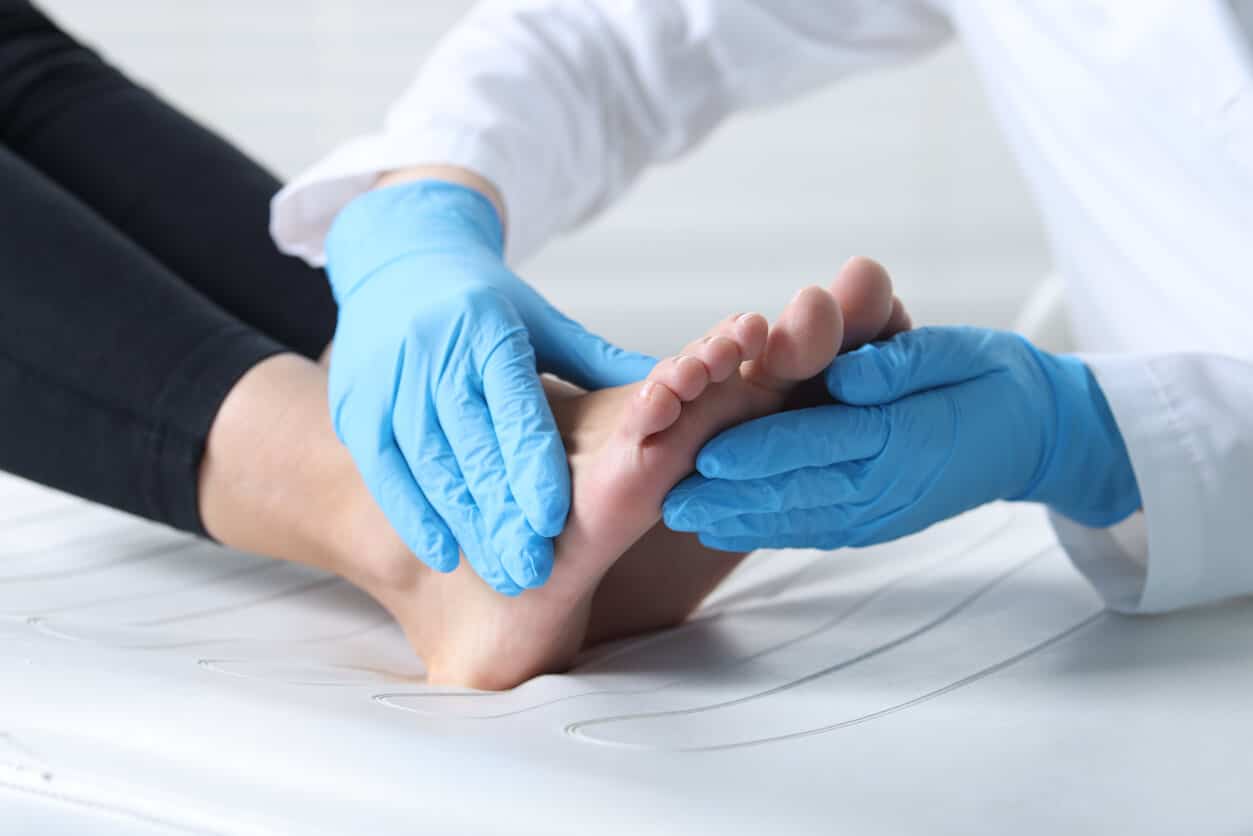
The diagnostic process at an urgent care for sprains begins with a thorough medical history. Your provider will ask exactly how the injury occurred and listen closely to your symptoms. Next, they will perform a physical examination to carefully assess your range of motion and ligament integrity.
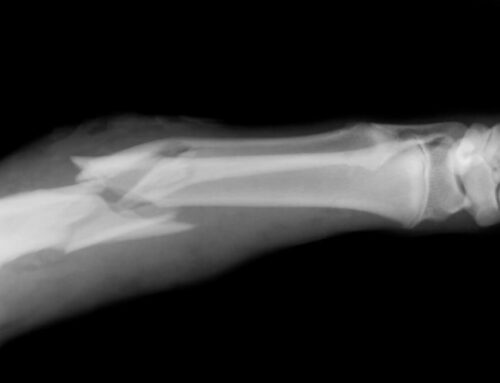
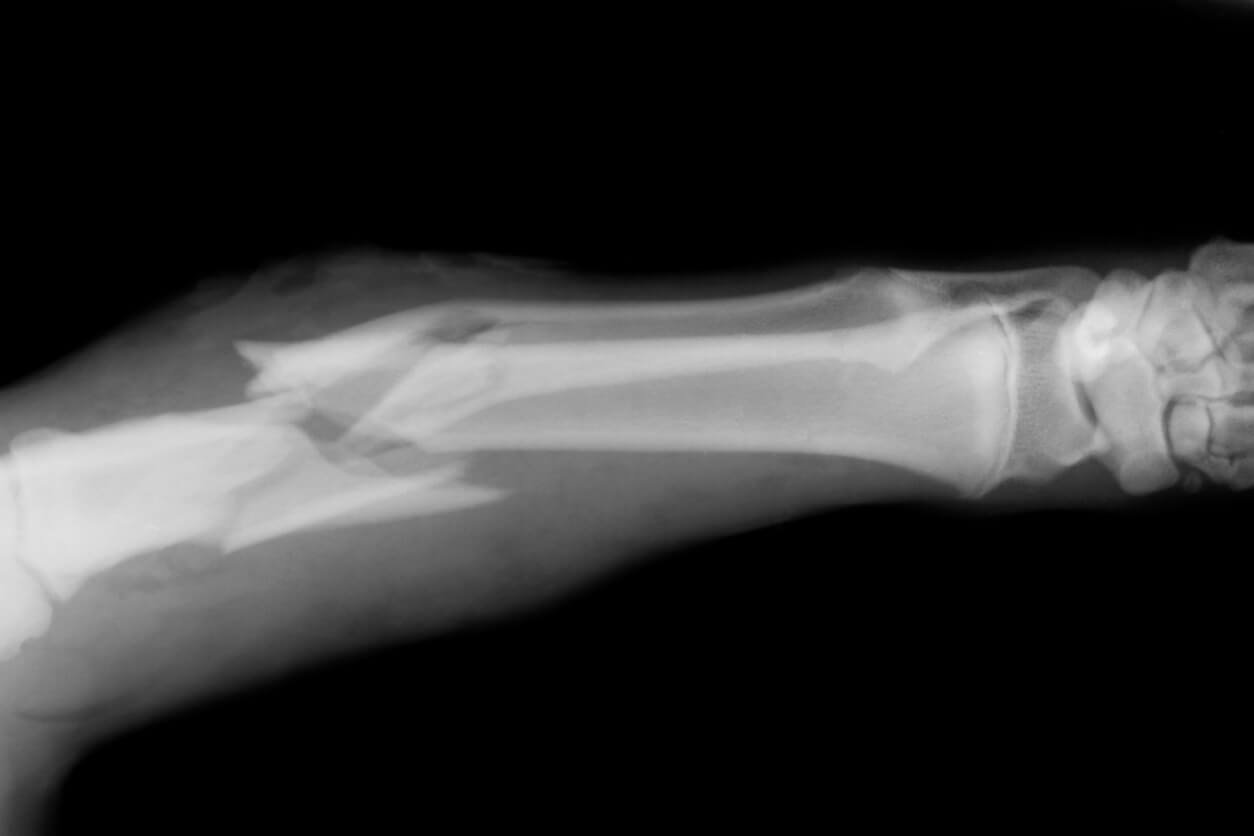
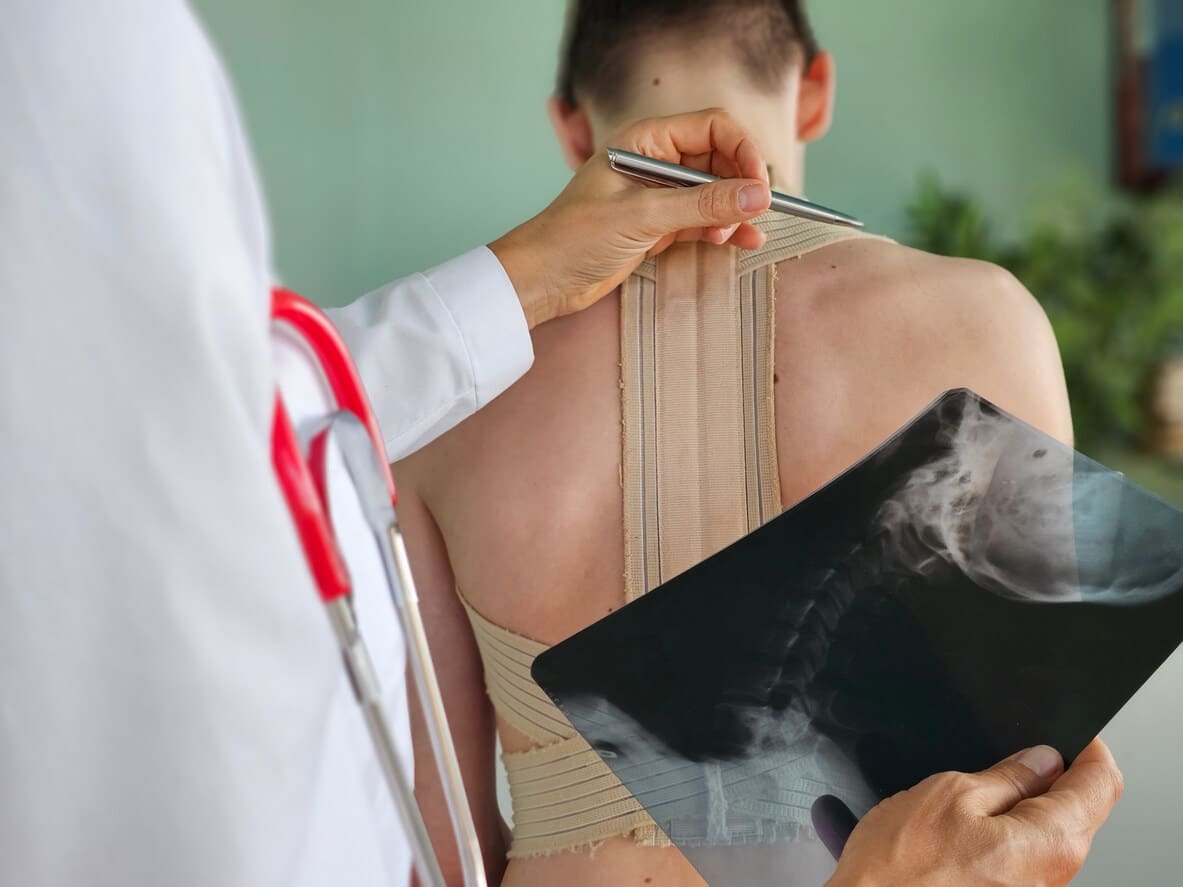
Because sprains and fractures share very similar symptoms, providers commonly perform digital X-rays right on site. This quickly rules out broken bones. In some complex cases, a provider may recommend an MRI at a later date for more detailed visualization of your soft tissues.
Treatment and Recovery for Sprains
Effective treatment and a structured recovery plan are paramount for healing your sprained joint and preventing long-term complications. The primary goals of your treatment plan are to reduce pain and swelling, protect the injured ligament from further damage, and safely restore full function.
Initial treatment almost always focuses on conservative, non-surgical measures. Urgent care providers can initiate these treatments, fit you for necessary medical devices like braces or crutches, and offer expert guidance on pain control.
The RICE Protocol
The RICE protocol is an essential self-care strategy for acute sprains. We highly recommend starting this protocol as soon as the injury occurs:
- Rest: Avoid activities that cause pain or place unnecessary stress on the injured joint. You may need crutches to keep weight off a severely sprained ankle or knee.
- Ice: Apply ice packs to the area for 15 to 20 minutes every two to three hours. This helps constrict blood vessels, significantly reducing pain, swelling, and inflammation.
- Compression: Wrap the joint snugly with an elastic bandage. This minimizes swelling and provides comforting support to the weakened area.
- Elevation: Keep the injured limb propped up above the level of your heart whenever possible to help excess fluid drain away from the joint.
Adhering strictly to the RICE protocol immediately after your injury can dramatically reduce your recovery time and improve your overall outcome.
Rehabilitation and Long-Term Care
Following the initial acute phase of healing, active rehabilitation becomes crucial. This restores full function to the joint and prevents recurrent injuries. Choosing an urgent care for sprains provides you with direct referrals to specialized physical therapy programs tailored to your specific injury and activity level.
Rehabilitation exercises carefully focus on improving your range of motion and strengthening the surrounding muscles. Strong muscles provide better natural support for your healing ligaments. Therapy also enhances your balance and coordination.
Long-term care involves educating yourself on proper warm-up techniques, choosing appropriate, supportive footwear, and wearing protective braces during physical activity if necessary.
When to Seek Urgent Care vs. Emergency Room
Deciding whether to visit an urgent care center or a traditional emergency room can impact the speed, cost, and efficiency of your care. Understanding this distinction helps you receive the most appropriate level of medical attention right when you need it.
Urgent Care Scenarios
Urgent care centers are the ideal choice for injuries that require prompt attention but are not life-threatening. They offer a highly convenient and much more affordable alternative to the ER.
For instance, if you experience a twisted ankle with noticeable swelling, but you can still bear some weight on it, urgent care is appropriate. Similarly, a wrist sprain from a minor fall with localized discomfort but no obvious physical deformity is perfectly suited for urgent care evaluation. These centers provide fast X-rays, diagnose the sprain grade, and initiate your personalized treatment plan.
Find an Urgent Care for Sprains in Holly Springs, NC
When it comes to sprains and minor injuries, receiving prompt and effective care is essential to ensure a smooth recovery and to prevent further complications. Urgent care centers are equipped to provide you with the professional treatment you need in a timely manner, offering both convenience and peace of mind. Don’t wait. Take the first step toward recovery today.
Visit our urgent care center in Holly Springs, NC, and get back to feeling your best. At Cary Orthopaedics, we understand how frustrating and painful an unexpected musculoskeletal injury can be. Our board-certified physicians are here to help you get back to your daily routine safely and efficiently.
Do you have questions regarding a recent sprain or joint injury? Call our clinic at (919) 573-4825 today.
Frequently Asked Questions
What Do Urgent Care Do for Sprains?
Urgent care for sprains involves efficiently evaluating and treating sprains of all kinds. The medical staff will diagnose your specific injury, perform X-rays to rule out hidden fractures, and provide immediate treatment.
This often includes targeted pain relief, instructions on the RICE protocol, and fitting you for supportive bracing or splinting to protect the joint as it heals.
Can You Go to Urgent Care for a Sprained Back?
Yes, you can certainly visit an urgent care for sprains in your back. The providers will carefully assess your symptoms to rule out more serious spinal conditions. They will then offer initial treatment to reduce pain and muscle inflammation. This typically includes medication management, practical advice on modifying your daily activities, and customized home care instructions.