In short, an urgent care for broken bones near you can be a convenient and effective option for treating certain injuries. Here are the key takeaways:
- Non-complicated fractures, such as small breaks or simple fractures, can often be handled efficiently at an urgent care facility.
- On-site imaging services, like X-rays, are typically available to diagnose the severity of the injury quickly.
- More severe fractures, such as those with bone displacement or requiring surgery, will likely need treatment at a hospital or emergency room.
A sudden fall, an awkward landing, or a direct impact can leave you in serious pain and wondering whether your bone is broken. Falling onto an outstretched hand, for instance, is one of the most common causes of a broken arm, according to the MayoClinic.
When an injury happens, you need to make a fast, smart decision about where to seek medical care. Urgent care centers can diagnose, stabilize, and initiate treatment for many common broken bones, often with shorter wait times and lower costs than a hospital ER.
If you have been searching for an urgent care for broken bones near you, this guide will help you understand exactly when urgent care is the right choice, what happens during your visit, and how to set yourself up for a full recovery.
When Is Urgent Care the Right Choice for a Broken Bone?
An urgent care for broken bones near you is designed for injuries that need prompt attention but do not rise to the level of a life-threatening emergency. For broken bones, this means non-severe, closed fractures — cases where the skin is intact, there is no major joint deformity, and the patient is stable.
Conditions well-suited for urgent care include:
- Simple or closed fractures of the wrist, hand, finger, foot, toe, or ankle
- Hairline and stress fractures caused by overuse or repetitive activity
- Avulsion fractures, where a tendon or ligament pulls a small piece of bone away from the main structure
- Suspected fractures that need X-ray confirmation before a definitive diagnosis
If you are experiencing severe pain, swelling, bruising, or an inability to bear weight on the injured limb, but none of the red-flag symptoms listed below are present, a specialized orthopedic urgent care center is typically the fastest and most cost-effective path to relief.
When the Emergency Room Is the Better Choice
Some fractures require resources and interventions that go beyond what walk-in clinics provide. Go directly to the emergency room if you experience any of the following:
- An open fracture where the broken bone pierces through the skin
- Severe, visible joint deformity suggesting a complex dislocation or displaced break
- Uncontrollable bleeding near the injury site
- Numbness, tingling, or loss of sensation in the limb, which may indicate nerve or vascular damage
- Suspected spinal, head, or neck injury
- Signs of major trauma from a car accident or high-impact fall
For anything in that category, the ER provides the surgical teams, advanced imaging, and critical care resources the situation demands.
Understanding Fractures and Dislocations
Before you decide where to go, it helps to understand what you are dealing with.
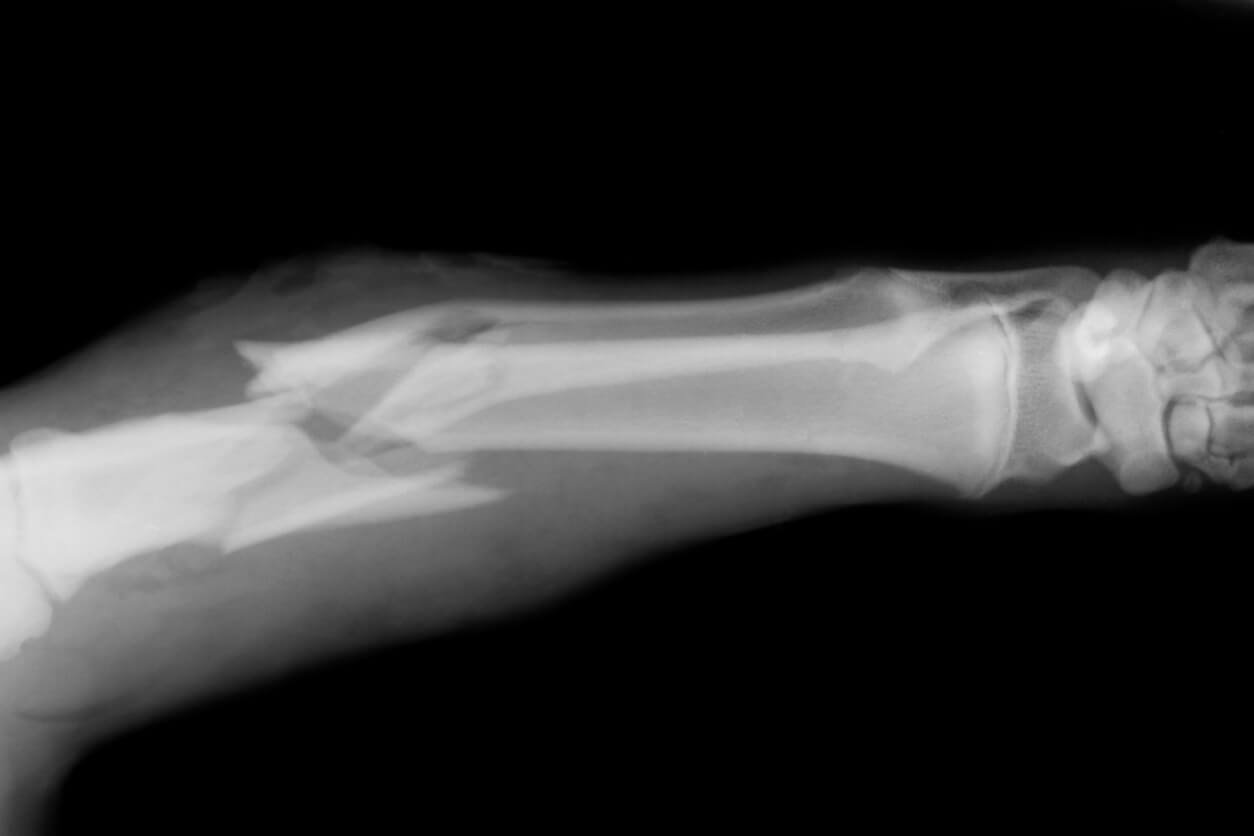
- Fracture: A fracture is any break in a bone, and can range from a tiny, hairline crack to a complete break that separates the bone into two or more pieces.
- Dislocation: A dislocation occurs when the bones that form a joint are forced out of their normal alignment. A dislocated shoulder is a common example of this type of injury.
Both injuries cause significant pain and require immediate professional assessment. Leaving either condition untreated or treating it incorrectly at home can cause long-term complications, including chronic pain, joint instability, and impaired mobility.
Prompt evaluation at a qualified urgent care for broken bones near you gets your healing process started on the right foot.
How to Prepare for Your Urgent Care Visit
A little preparation goes a long way toward making your visit efficient. Most urgent care visits for a suspected fracture take between 60 and 90 minutes, depending on the injury and the imaging required.
What to Bring
- Photo identification and your insurance card
- A list of your current medications and any known allergies
- Loose, comfortable clothing around the injured area so your provider can examine it easily
Initial Self-Care Before You Arrive
While you are preparing to leave for the clinic, apply the RICE method to manage pain and swelling:
- Rest the injured limb and avoid putting weight on it
- Ice the area for 15 to 20 minutes to reduce swelling
- Compress with an elastic bandage if available
- Elevate the limb above heart level when possible
Avoid moving the injured area unnecessarily, and use a makeshift splint if you need to stabilize it for transport. Over-the-counter pain relievers such as acetaminophen or ibuprofen may help manage discomfort before your visit, if they are appropriate for your medical history.
What Happens During Your Urgent Care Visit
When you arrive at an urgent care for broken bones near you, the team moves quickly to assess your injury and get you comfortable. Here is what the process typically looks like.
Physical Examination and Diagnostic Imaging
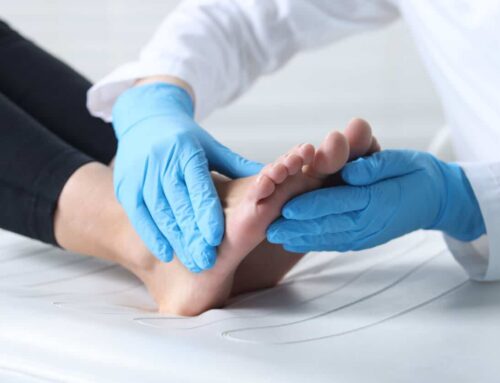
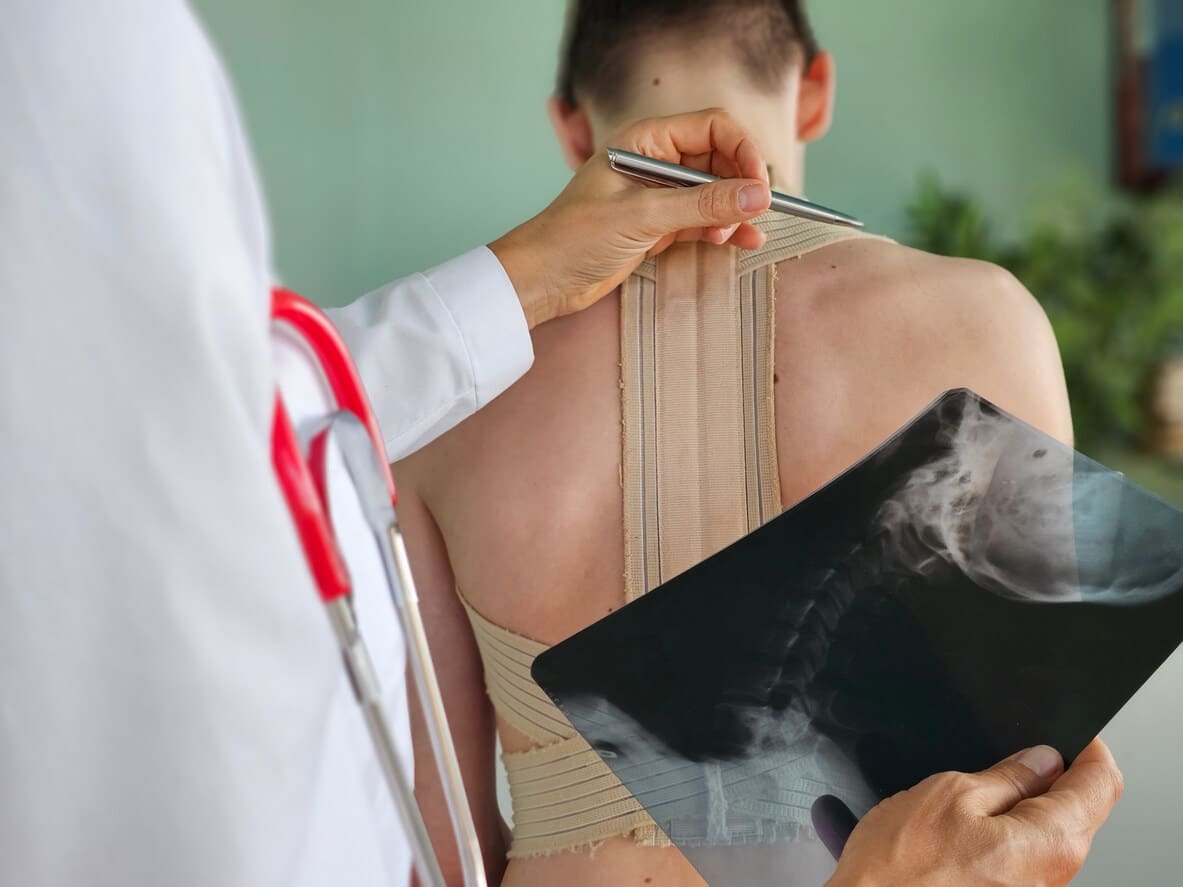
After registration, a provider will review your medical history and perform a focused physical examination of the injured area. They will check for swelling, bruising, tenderness, and any visible deformity.
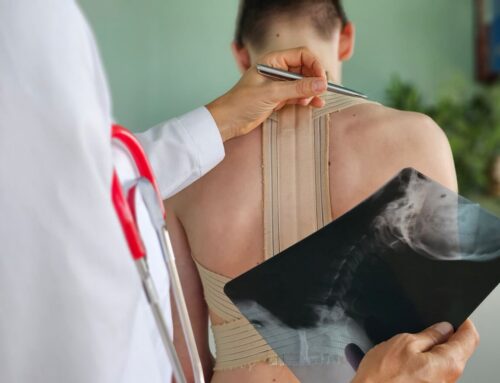
On-site digital X-rays are then taken to confirm whether a fracture is present, identify its type, and determine its exact location. Your provider will then review the images and walk you through the findings.
Stabilization and Pain Management
Once the fracture is confirmed, the medical team stabilizes the injury using a splint, fiberglass cast, or supportive brace. This immobilization is critical. It keeps bone fragments from shifting and creates the stable environment your body needs to begin healing.
Your team will also discuss a personalized pain management strategy, which may include a prescription medication if over-the-counter options are not sufficient. Before you leave, you will receive detailed home care instructions covering cast or splint care, signs of complications, and activity restrictions.
After Your Visit: Recovery and Follow-Up Care
Leaving urgent care with a splint and a diagnosis is just the beginning of your recovery. Following through on aftercare recommendations makes the difference between a smooth healing process and preventable setbacks.
The Healing Timeline
Most simple fractures take between four and eight weeks to heal, though complete restoration of strength and function can take several months.
Your age, overall health, the specific bone involved, and the fracture’s severity all influence this timeline. Your orthopedic specialist will give you a more precise estimate after reviewing your imaging.
Orthopedic Referrals and Physical Therapy
Before you leave, the urgent care team will arrange a referral to an orthopedic specialist for ongoing monitoring. These follow-up appointments track the bone’s progress, confirm proper alignment, and determine when it is safe to begin rehabilitation.
Once the bone heals sufficiently, a structured physical therapy program helps you safely rebuild strength, restore flexibility, and improve your range of motion.
According to the National Institutes of Health (NIH), physical therapy significantly supports recovery, functional improvement, and a safe return to activity. Skipping this phase is one of the most common reasons patients experience long-term stiffness or weakness after a fracture.
Tips for Optimal Healing
Taking an active role in your recovery significantly impacts both the speed and quality of your results.
- Support bone healing nutritionally by eating foods rich in calcium and Vitamin D
- Rest consistently and protect the injured area from unnecessary stress until your provider clears you
- Follow pain medication instructions exactly as prescribed
- Monitor for warning signs like increased pain, fever, numbness, or changes in skin color around the cast, and contact your provider immediately if they occur
- Attend every follow-up appointment, even when you start feeling better
Once you are fully healed, you may gradually reintroduce physical activity and ask your physical therapist about strengthening exercises to reduce the risk of re-injury.
Frequently Asked Questions
Below are some of the most common questions patients have about using an urgent care for broken bones near you, along with clear, concise answers to help guide you through your recovery.
Is urgent care or the ER better for a broken bone?
For most simple, closed fractures, urgent care is the better choice. You will typically wait less time and receive care from providers who specialize in musculoskeletal injuries.
The ER is the right call for open fractures, severe deformities, suspected spinal injuries, or any injury involving uncontrolled bleeding or loss of sensation.
What types of fractures can urgent care treat?
Specialized walk-in clinics effectively treat simple closed fractures, hairline and stress fractures, and avulsion fractures. They are fully equipped with on-site X-ray imaging and can apply splints, casts, and braces during your visit.
Where Can I Find An Urgent Care for Broken Bones in Holly Springs, NC?
For the majority of non-severe fractures, an urgent care for broken bones near you is the best option. You receive a specialized assessment, on-site imaging, immediate stabilization, and a clear recovery plan, all without the long waits or high costs of a hospital emergency room.
At Cary Orthopaedics, our team is dedicated to delivering precise diagnoses and compassionate care for patients. We guide you through every step of the process with clarity and support, from your first X-ray to your final physical therapy session.
If you suspect a fracture or need immediate evaluation for a non-life-threatening injury, contact Cary Orthopaedics today. Call us at (919) 573-4825 to schedule your visit.