In short:
- Chronic spine pain is persistent back or neck discomfort lasting over three months, significantly impacting your daily life.
- It can stem from various causes like disc degeneration, arthritis, or nerve compression, often worsened by lifestyle factors.
- Effective management involves a personalized approach, combining therapies, lifestyle changes, and expert support to improve your quality of life.
Chronic spine pain affects millions of people, causing persistent discomfort in the back or neck that can disrupt daily life. Spine pain management at a local doctor can provide relief and help you work toward feeling like yourself again.
Understanding its nature and causes is the first step toward effective relief and improved well-being. Unlike acute pain, which signals an injury, chronic pain often involves changes in the nervous system, making it a complex condition that requires a comprehensive approach to care.
What is Chronic Spine Pain?
Chronic spine pain is defined as discomfort in the back or neck that lasts for three months or longer, persisting beyond the typical healing period for an initial injury. It can manifest as:
- A dull ache, sharp burning, or radiating sensations.
- Stiffness or muscle spasms.
- Pain originating from the neck (cervical), mid-back (thoracic), or lower back (lumbar), with lower back pain being the most common.
This type of pain often involves heightened sensitivity in the nervous system, meaning it can persist even without ongoing tissue damage.
How Pain Impacts Daily Life and Why Chronic Spine Pain Management is Key
Living with chronic spine pain can significantly affect your quality of life. Common challenges include:
- Limited mobility: Routine tasks like bending, lifting, sitting, or walking become difficult.
- Disrupted sleep: Pain often interferes with restful sleep, leading to chronic fatigue.
- Emotional toll: Persistent discomfort can lead to anxiety, depression, and feelings of isolation.
- Reduced participation:Work, social activities, and hobbies may feel out of reach due to pain and physical limitations.
Causes and Risk Factors for Chronic Spine Pain
Understanding the root causes of chronic spine pain is essential for developing an effective treatment plan. This condition rarely has a single cause and often results from a combination of structural issues, degenerative processes, and lifestyle factors.
Common Underlying Causes
Chronic spine pain can stem from various medical conditions, including:
- Degenerative disc disease:Discs between vertebrae lose hydration and elasticity, reducing shock absorption.
- Osteoarthritis: Cartilage breakdown in spinal joints causes stiffness and pain.
- Herniated or bulging discs:These can compress nearby nerves, leading to radiating pain (e.g., sciatica).
- Spinal stenosis: Narrowing of the spinal canal compresses nerves, causing leg pain and difficulty walking.
- Spondylolisthesis: Vertebrae slip out of place, causing instability and pain.
- Spinal deformities:Conditions like scoliosis can lead to chronic discomfort.
Lifestyle and Other Risk Factors
While the National Institutes of Health states that 85 percent of adults will experience back pain at some point, certain lifestyle and demographic factors can increase the risk of developing or worsening chronic spine pain. They include:
- Sedentary lifestyle:Prolonged sitting and poor posture weaken core muscles that support the spine.
- Obesity:Excess weight places additional strain on the spine, especially the lower back.
- Occupational risks: Jobs involving heavy lifting, repetitive motions, or awkward postures can contribute to spine pain.
- Age: Natural wear and tear on spinal structures increases with age.
- Smoking: Impairs blood flow to spinal tissues, hindering healing and accelerating degeneration.
- Psychological factors: Stress, anxiety, and depression can amplify pain perception and reduce coping mechanisms.
Diagnosis and Assessment of Chronic Spine Pain
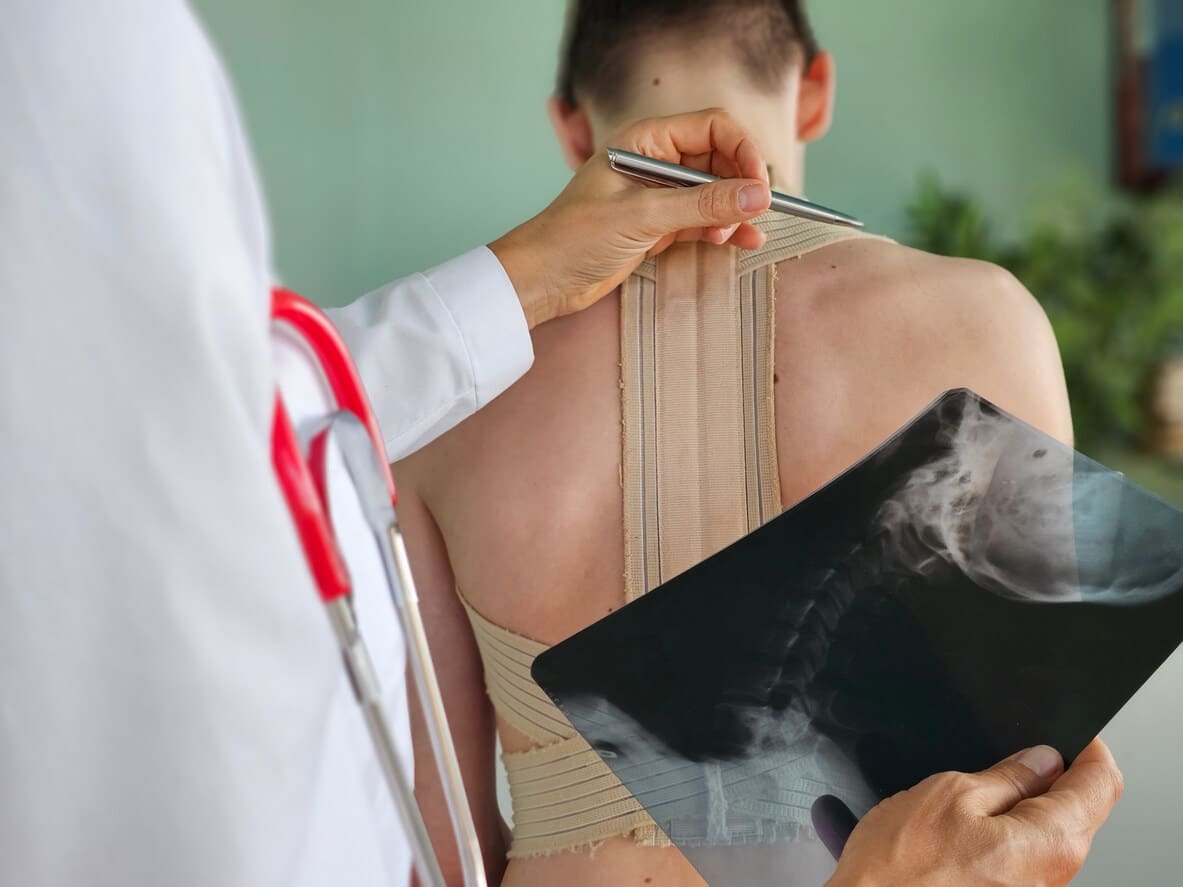
Accurately diagnosing the source of chronic spine pain is critical for creating an effective treatment plan. This process involves a detailed medical history, a thorough physical examination, and often advanced diagnostic imaging.
Your diagnostic journey typically begins with:
- Medical history: Your orthopedic doctor will ask about the onset, location, intensity, and character of your pain, as well as any associated symptoms like numbness or weakness.
- Physical examination:This includes assessing posture, range of motion, muscle strength, reflexes, and sensation. Specific tests may be performed to identify nerve compression or joint dysfunction.
If further investigation is needed, your doctor may recommend:
- X-rays: To detect bone abnormalities, fractures, or arthritis.
- MRI:To visualize soft tissues like discs, ligaments, and nerves, helping identify herniations or nerve compression.
- CT scans: For detailed cross-sectional images of bone structures.
- EMG and nerve conduction studies: To assess nerve function and identify damage or compression.
These tools help pinpoint the cause of your pain and guide treatment decisions.
Chronic Spine Pain Management: Approaches to Consider
Managing chronic spine pain requires a personalized, multidisciplinary approach. The goal is not just to reduce pain but also to improve function, enhance quality of life, and empower you to manage your condition long-term.
Non-Pharmacological Approaches
Non-pharmacological treatments are often the foundation of chronic spine pain management. They can include:
- Physical therapy:Strengthens core muscles, improves flexibility, and corrects posture.
- Therapeutic exercises:Stretching and manual therapy techniques (e.g., massage) can reduce pain and improve mobility.
- Alternative therapies:Acupuncture, chiropractic care, and mindfulness-based stress reduction (MBSR) programs have shown promise.
- Heat and cold therapy:Provides temporary relief from muscle spasms and inflammation.
Pharmacological and Interventional Treatments for Spine Pain Management
When non-pharmacological methods aren’t enough, additional treatments may include:
- Medications:NSAIDs, muscle relaxants, or neuropathic pain medications like gabapentin. Short-term opioids may be considered under strict supervision.
- Injections:Epidural steroid injections, facet joint injections, or nerve blocks to reduce inflammation and pain.
- Surgical options: For severe cases, procedures like discectomy, laminectomy, or spinal fusion may be necessary to decompress nerves or stabilize the spine.
Chronic Spine Pain Management: A Holistic Approach
Living with chronic spine pain is an ongoing journey that extends beyond medical treatments. A holistic approach emphasizes self-management, lifestyle changes, and support systems to foster resilience and improve well-being.
Lifestyle Modifications and Self-Care
Adopting healthy habits can make a significant difference:
- Maintain a healthy weight:Reduces strain on the spine.
- Engage in low-impact exercise:Activities like walking, swimming, or yoga strengthen muscles without worsening pain.
- Ergonomics:Use supportive chairs and proper lifting techniques to prevent strain.
- Prioritize sleep: Quality rest is essential for pain management and overall health.
- Manage stress:Techniques like meditation and deep breathing can reduce muscle tension and improve coping mechanisms.
When to Seek Care for Chronic Spine Pain
While chronic spine pain often requires ongoing management, certain symptoms warrant immediate medical attention:
- Sudden, severe back pain after an injury or fall.
- Pain accompanied by fever, chills, or unexplained weight loss.
- New or worsening weakness, numbness, or tingling in your limbs.
- Loss of bladder or bowel control (cauda equina syndrome).
- Pain that radiates down your legs, especially below the knee.
- Difficulty walking, standing, or moving your limbs.
For non-emergency concerns, consult a healthcare professional to discuss your chronic spine pain management options.
Take the First Step Toward Relief Today: Get Spine Pain Management Near Cary, North Carolina
Chronic spine pain doesn’t have to control your life. With the right care, you can regain mobility, reduce discomfort, and improve your quality of life. Our team of compassionate specialists at Cary Orthopaedics is here to help you every step of the way, offering personalized treatment plans tailored to your unique needs.
Don’t wait — call us today at (919) 573-4825 or use our online appointment request form to schedule a consultation. Let us help you take the first step toward a healthier, more active life.