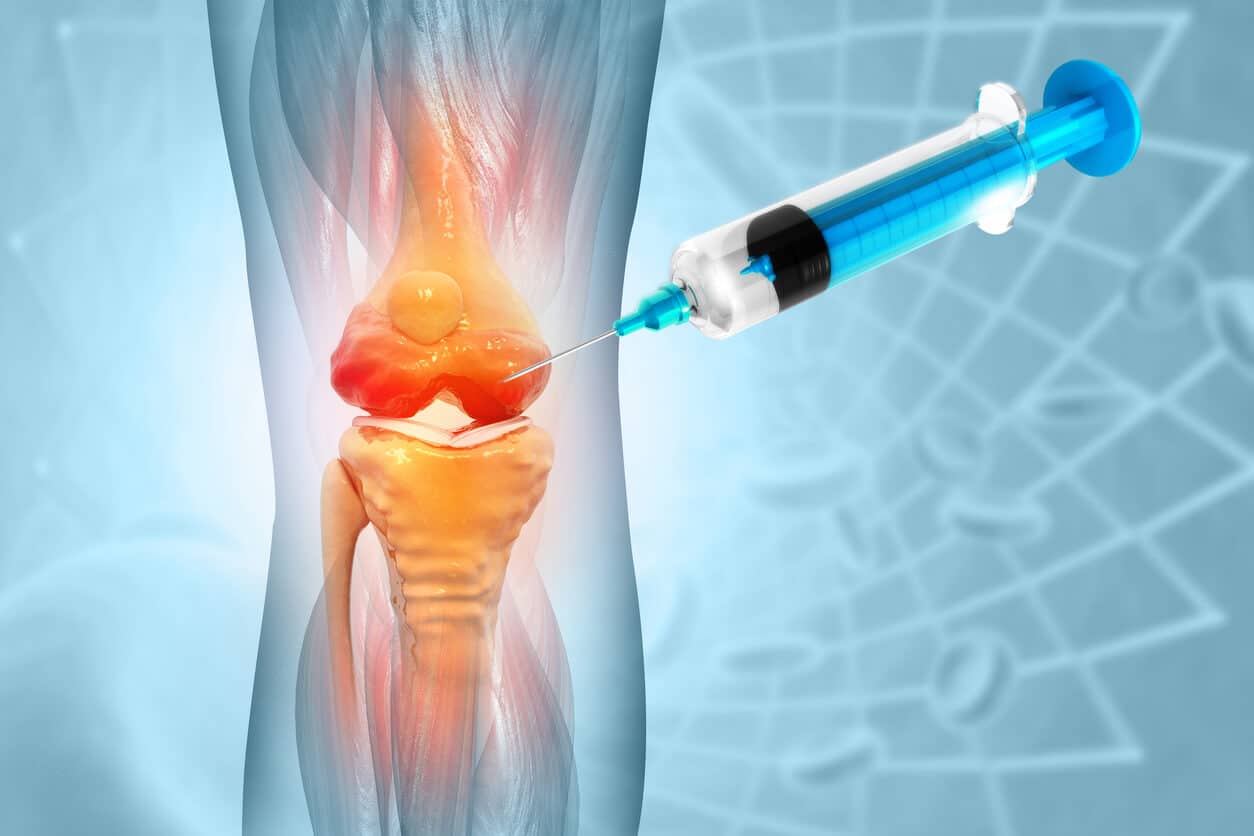

- Heals damaged tissues. Stem cells target the root cause of discomfort by repairing damaged cells in the spine.
- Uses natural resources. Doctors often utilize adult stem cells harvested directly from your own body.
- Avoids invasive surgery. This treatment provides a conservative alternative to traditional back operations.
Stem cell therapy for back pain is an advanced medical treatment that uses unspecialized cells to help repair damaged spinal tissue and reduce inflammation in the back. Chronic back pain occurs when you experience continuous discomfort in your spine for more than three months. This therapy answers the need for a non-surgical option by injecting healing cells directly into the affected area.
Many patients struggle to find relief through physical therapy, pain medications, or rest. This regenerative medicine approach offers new hope for people suffering from degenerative spinal conditions. The therapy takes advantage of stem cells‘ ability to transform into specific cell types needed for tissue repair.
Instead of merely masking the symptoms, this procedure attempts to heal the underlying structural damage. You can think of stem cells as the master builders of the human body. When placed in an environment with damaged tissue, they can help rebuild cartilage, reduce swelling, and promote lasting healing.
Understanding the Causes of Chronic Back Pain
Your spine is a complex system of bones, discs, nerves, and muscles that work together to support your body and movement. When one of these components breaks down, you may experience severe and lasting pain. Degenerative disc disease is one of the most common culprits behind spinal discomfort.
Over time, the shock-absorbing discs between your vertebrae lose their hydration and elasticity. This deterioration leads to friction, nerve compression, and chronic inflammation. Other conditions like herniated discs, osteoarthritis, and spinal stenosis also contribute to long-term back problems.
Traditional treatments often focus on managing symptoms rather than addressing the structural failure. Patients frequently rely on strong medications or face the daunting prospect of invasive spine surgery. Regenerative medicine aims to change this paradigm by focusing on cellular restoration.
How Traditional Treatments Fall Short
Many patients begin their journey with conservative treatments like physical therapy and anti-inflammatory drugs. While these methods are helpful, they do not repair torn ligaments or worn cartilage. When conservative methods fail, doctors may suggest surgical interventions.
Spine surgery often involves removing damaged tissue or fusing vertebrae together. These operations require long recovery times and carry significant risks of complications. Regenerative options like stem cell therapy for back pain seek to bridge the gap between symptom management and invasive surgery.
How Stem Cell Therapy for Back Pain Works
The process begins with a comprehensive evaluation by an orthopaedic specialist. Your doctor will assess your medical history, conduct a physical exam, and may request imaging tests such as an X-ray or CT scan. This information helps determine if regenerative medicine is appropriate for your specific condition.
If you are a suitable candidate, the medical team will schedule the procedure in an outpatient setting. The most common approach involves extracting adult stem cells from your own bone marrow or fat tissue. Using your own cells reduces the risk of rejection and allergic reactions.
After extraction, the cells are processed and concentrated in a laboratory centrifuge. The doctor then uses advanced imaging guidance to inject the concentrated cells directly into the damaged area of your spine. The procedure is minimally invasive and usually only takes a few hours to complete.
The Role of Cellular Regeneration
Once injected, the stem cells go to work immediately. They release specialized proteins that reduce inflammation and attract other healing cells to the site. This process helps soothe irritated nerves and decreases localized swelling.
Over the following weeks, the stem cells promote the growth of new, healthy tissue. They can help repair the outer wall of a spinal disc or regenerate damaged cartilage within the spinal joints. This cellular rebuilding process leads to a gradual reduction in pain and improved spinal mobility.
Who Is a Good Candidate for This Treatment
Not every patient with spinal discomfort will benefit from regenerative medicine. The ideal candidate is someone who suffers from moderate degenerative disc disease, mild osteoarthritis, or facet joint arthritis. Your doctor will assess the extent of your condition to determine whether enough healthy tissue remains for stem cell treatment to support repair and healing.
Patients with severe spinal deformities, complete disc collapse, or active infections are generally not eligible. Additionally, individuals with certain blood disorders or active cancers should avoid this procedure. A thorough consultation is necessary to determine if this innovative therapy aligns with your medical profile.
Preparing for Your Procedure
If you and your physician choose to move forward, you’ll be given detailed guidelines on how to prepare for the procedure. You may need to stop taking certain anti-inflammatory medications, as inflammation is actually a necessary part of the initial healing response. You should also arrange for someone to drive you home afterward.
Staying hydrated and maintaining a balanced diet in the weeks leading up to your appointment can also support the healing process. Your doctor will answer any remaining questions you have to ensure you feel comfortable and informed. Proper preparation can enhance the effectiveness of the injected cells.
Frequently Asked Questions About Stem Cell Therapy
Many patients have valid questions before committing to regenerative treatments. Understanding the nuances of the procedure can help alleviate anxiety and set realistic expectations. Here are some common inquiries regarding stem cell therapy for back pain.
How Long Does the Recovery Take?
Recovery from the injection itself is relatively quick. Most patients notice mild soreness around the injection site for a few days, which can be managed with basic pain relievers. You can usually return to light activities within a week.
However, the actual tissue regeneration takes time. You may not notice significant pain relief for several weeks or even months. The healing process is gradual as the cells work to rebuild the damaged structures within your spine.
Is the Procedure Painful?
The extraction and injection processes are performed using local anesthesia to minimize discomfort. You might feel some pressure during the bone marrow aspiration, but it is generally well-tolerated. The medical staff prioritizes your comfort throughout the entire outpatient visit.
If you have a low pain tolerance, your doctor may offer mild sedation to help you relax. The brief discomfort experienced during the procedure is often a worthwhile trade-off for the potential of long-term pain relief. Communication with your care team ensures a smooth experience.
Find Stem Cell Therapy for Back Pain in Cary, Raleigh, and the Triangle Area
Living with chronic spine pain can significantly diminish your quality of life. You deserve a comprehensive evaluation to explore all available treatment options, including advanced regenerative medicine. Our dedicated Spine Center at Cary Orthopaedics provides expert care tailored to your unique condition.
If you are looking for stem cell therapy for back pain in Cary, Raleigh, or the Triangle Area, our board-certified orthopaedic doctors are here to help. We strive to help our patients achieve good health and mobility through compassionate, personalized care.
Contact Cary Orthopaedics today at (919) 573-4825 or visit our contact us page to schedule your consultation and take the first step toward a pain-free life.