
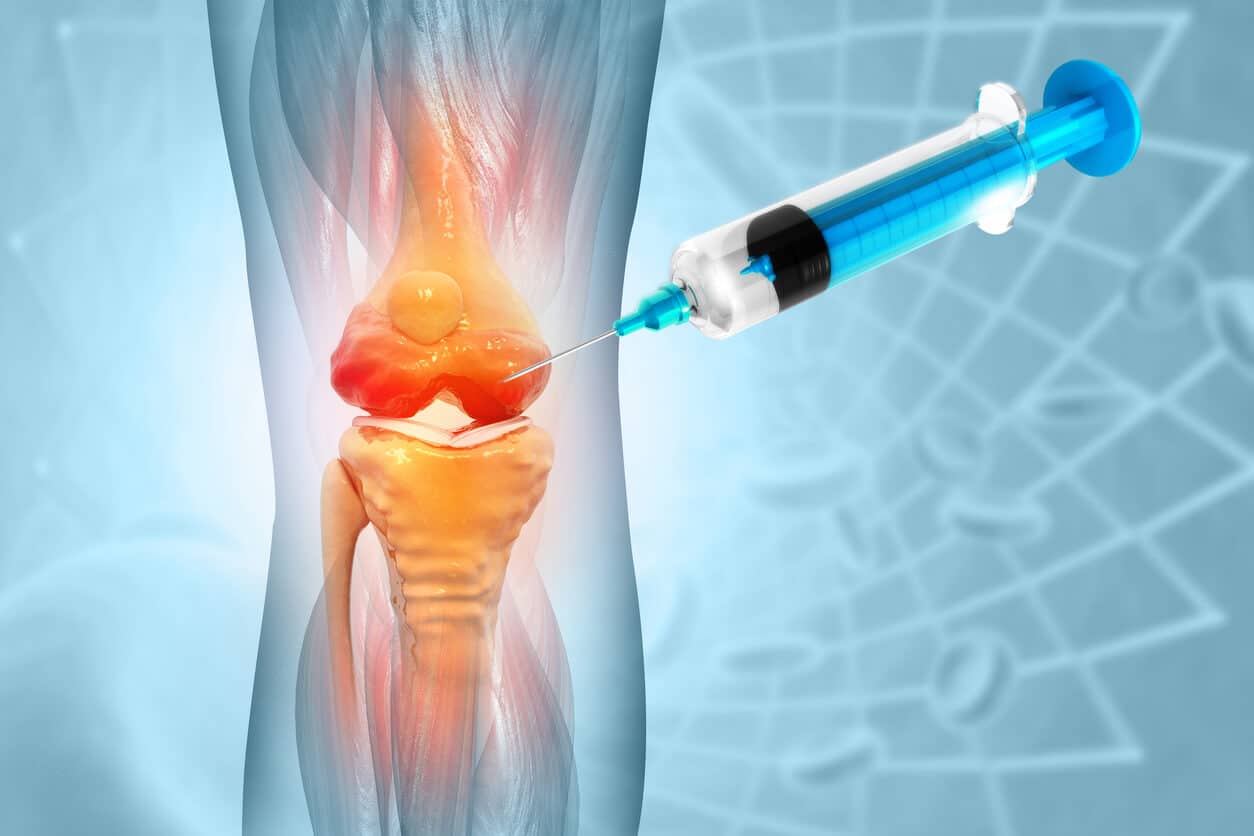
In short, stem cell therapy is a promising, innovative treatment option for arthritis pain, but its effectiveness can vary depending on individual conditions and current research findings. Here’s what you need to know:
- Potential Benefits: Stem cell therapy may help reduce inflammation and promote tissue repair, potentially alleviating arthritis symptoms.
- Current Research: Studies show mixed results, with some indicating improvements in pain and joint function, while others suggest more evidence is needed.
- Personal Considerations: Consultation with a medical professional is essential to determine if stem cell therapy is a suitable option for your specific situation.
According to the CDC, living with arthritis is a daily reality for approximately 53 million adults in the U.S., who often wake up to stiff, aching joints and must adjust their day around the pain.
When physical therapy, medications, and injections stop providing enough relief, patients may start looking for an option that does more than mask symptoms. Stem cell therapy for arthritis is a regenerative medicine approach that uses the body’s own cells to calm inflammation and support tissue repair within the joint.
In this guide, you will learn how stem cell therapy works, who makes a good candidate, what the procedure involves, and what current research actually says about its effectiveness. We aim to give you a clear, honest picture so you can make a confident, well-informed decision about your care.
What Is Stem Cell Therapy for Arthritis?
Arthritis causes persistent joint pain, stiffness, and reduced mobility that can affect nearly every part of your daily life. Stem cell therapy for arthritis offers an innovative regenerative approach, harnessing your body’s natural healing mechanisms to address joint damage and inflammation at the source.
Understanding Arthritis and Its Impact
Arthritis is a broad term covering more than 100 conditions marked by chronic joint inflammation. Over time, this inflammation leads to the breakdown of cartilage, the protective tissue that cushions the ends of your bones.
As cartilage wears away, bones begin to rub together, causing pain, swelling, and reduced range of motion.
Two of the most common forms include:
- Osteoarthritis (OA): Often called “wear-and-tear” arthritis, it results from the gradual breakdown of cartilage.
- Rheumatoid Arthritis (RA): An autoimmune disease in which the immune system attacks the joint lining, driving inflammation and joint damage.
How Stem Cell Therapy Differs From Conventional Treatment
Unlike treatments that simply mask symptoms, stem cell therapy aims to create a healing environment within the joint. By leveraging your cells’ regenerative potential, the goal is to reduce inflammation, alleviate pain, and potentially slow the progression of joint degeneration.
Who Might Be a Candidate?
A specialized medical team determines candidacy after a thorough evaluation. Good candidates typically:
- Have mild to moderate arthritis.
- Have not found sufficient relief from conservative treatments like physical therapy, medications, or injections.
- Are seeking alternatives to joint replacement surgery.
- Are in the early-to-mid stages of joint degeneration and want to preserve function.
The Science Behind Stem Cell Therapy
Understanding what stem cells are and how they work helps explain why this therapy holds promise for arthritis relief.
What Are Stem Cells?
Stem cells are the body’s fundamental building blocks. They have two remarkable abilities: they can renew themselves, and they can transform into specialized cell types such as cartilage, bone, or muscle.
For arthritis, Mesenchymal Stem Cells (MSCs) are most commonly used. According to the National Institutes of Health (NIH), MSCs are stromal cells that can self-renew and differentiate into multiple cell types.
They also possess potent anti-inflammatory and immunomodulatory properties, meaning they can help calm inflammation and regulate the immune response inside the joint.
Where the Stem Cells Come From
Most procedures use autologous stem cells, which are harvested from your own body to minimize the risk of rejection. The primary sources include:
- Adipose-derived stem cells (ADSCs): Collected from your fat tissue.
- Bone marrow-derived mesenchymal stem cells (BM-MSCs): Drawn from your bone marrow, typically at the hip.
- Platelet-rich plasma (PRP): While not a stem cell source, PRP concentrates growth factors that may enhance stem cell activity and is often used alongside the therapy.
How It May Work Within the Joint
The proposed benefits of stem cell therapy come from several biological processes working together:
- Reducing inflammation that drives pain and ongoing joint damage.
- Promoting tissue repair by differentiating into cartilage cells or signaling existing cells to heal.
- Immunomodulation, which helps regulate an overactive immune response in conditions like RA.
- Growth factor release, as MSCs secrete proteins that support healing.
What to Expect During Stem Cell Therapy
Stem cell therapy is a carefully managed process, from your initial evaluation through recovery.
Here is how a typical treatment unfolds:
Step 1: Initial Consultation and Assessment
Your journey begins with a comprehensive consultation. Your provider will review your medical history, symptoms, and previous treatments, then perform a physical examination.
Diagnostic imaging, such as X-rays or MRI, helps evaluate the extent of your joint damage. This is also the time to discuss your treatment goals and realistic outcomes.
Step 2: Stem Cell Harvesting
Harvesting takes place on an outpatient basis using local anesthesia. Your team collects either adipose tissue through a mini-liposuction procedure or bone marrow from the hip. The sample is then processed in an on-site lab, where a centrifuge concentrates the mesenchymal stem cells.
Step 3: Targeted Injection Into the Joint
Using imaging guidance such as ultrasound or fluoroscopy, your physician precisely injects the concentrated stem cells into the damaged joint. This guidance ensures pinpoint accuracy, maximizing the therapeutic potential. The minimally invasive injection typically takes under 30 minutes, and you return home the same day.
Expected Outcomes and Research Insights
It is important to approach stem cell therapy for arthritis with realistic expectations.
Potential Benefits
Patients who respond well may experience:
- A significant reduction in chronic joint pain and stiffness.
- Improved joint function and range of motion.
- A potential delay in arthritis progression, which may postpone the need for joint replacement surgery.
What the Current Evidence Shows
The medical community is actively studying stem cells for arthritis. Early clinical trials show encouraging results for pain relief and functional improvement, particularly in knee osteoarthritis.
That said, stem cell therapy for arthritis remains under active research and is not yet considered a standard, widely available treatment. Ongoing studies continue to optimize protocols, identify ideal candidates, and confirm long-term safety and effectiveness.
When You Might See Results
Results vary based on your age, the severity of your arthritis, and your body’s healing capacity. Improvement tends to be gradual. You may notice initial changes within a few weeks, but significant benefits often develop over two to six months as the cells reduce inflammation and support tissue repair.
The goal is substantial symptom relief and improved function, not a complete cure.
Understanding the Potential Downsides
Every medical procedure carries risks and limitations. Clear, transparent information helps you make an informed choice.
Possible Risks and Side Effects
Because stem cell therapy uses your own cells and is minimally invasive, it is generally considered safe. Potential side effects include:
- Temporary pain, swelling, or bruising at the injection and harvesting sites.
- A very low risk of infection, minimized through sterile techniques.
- Rare complications such as nerve irritation or an allergic reaction to the local anesthetic.
Regulatory Status
Many stem cell treatments for arthritis are still considered experimental by regulatory bodies such as the U.S. Food and Drug Administration (FDA).
Be cautious of any provider who promises a “cure” or offers treatments that are not grounded in scientific evidence. A reputable team will always give you a balanced view of both the benefits and the limitations.
Limitations and Unanswered Questions
Regenerative medicine is still evolving. Researchers continue to study long-term durability, optimal dosage and frequency, and why patient responses vary. Importantly, stem cell therapy may not be effective for very advanced, “bone-on-bone” arthritis, where joint replacement surgery may be the most appropriate option.
Post-Treatment Guidance and Recovery
Your commitment to post-procedure care plays a major role in optimizing results. Your team will provide a personalized recovery plan.
Immediate Post-Procedure Care
In the first few days after treatment:
- Rest the treated joint and limit strenuous activities.
- Apply ice packs for 15 to 20 minutes to manage swelling.
- Take acetaminophen for discomfort, and avoid NSAIDs unless your provider directs otherwise.
Contact your healthcare team immediately if you notice signs of infection, such as fever, chills, or increasing redness, warmth, or pus-like drainage from the injection site.
Rehabilitation and Physical Therapy
A structured rehabilitation program is critical to your success. Under your team’s guidance, you will gradually return to normal activities with a personalized physical therapy plan designed to strengthen surrounding muscles, improve stability, and enhance range of motion. Active participation helps you get the most from the therapy.
Long-Term Follow-Up and Monitoring
Your care continues well beyond the procedure. Scheduled follow-up appointments allow your team to monitor your progress, pain levels, and functional improvements. Follow-up imaging may be used to observe changes in the joint, and your team will adjust your care plan as needed.
Frequently Asked Questions (FAQ)
Below, we’ve compiled answers to some of the most common questions about stem cell therapy for arthritis to help you better understand this innovative treatment option.
What is stem cell therapy for arthritis?
Stem cell therapy is a regenerative treatment that uses the body’s own stem cells to promote healing and reduce inflammation in arthritic joints. The goal is to restore joint function and alleviate pain without the need for invasive surgery.
Who is a candidate for stem cell therapy?
Individuals with mild to moderate arthritis who have not found sufficient relief from traditional treatments may be candidates for stem cell therapy. A thorough evaluation with a specialist is necessary to determine if this treatment is suitable for you.
How does the procedure work?
The procedure involves harvesting stem cells from the patient, often from bone marrow or adipose tissue, and then injecting them into the affected joint. The stem cells work to repair damaged tissue and reduce inflammation.
Is stem cell therapy for arthritis safe?
Yes, stem cell therapy is considered safe when performed by qualified medical professionals. Since the stem cells come from your own body, the risk of rejection or adverse reactions is minimal.
What is the recovery time after stem cell therapy?
Recovery times vary, but many patients can resume normal activities within a few days. It’s important to follow your doctor’s post-procedure instructions to ensure the best outcome.
How soon can I expect results?
Some patients notice improvement in pain and mobility within weeks, while for others, it may take a few months. The full benefits of stem cell therapy can often be observed within 6 to 12 months.
Explore Stem Cell Therapy for Arthritis in Morrisville, Cary, and Holly Springs, NC
Stem cell therapy can be a highly effective treatment for arthritis pain. For many patients with mild to moderate arthritis, it offers a promising, minimally invasive option to reduce pain and improve joint function.
However, it is not the right solution for everyone, and setting realistic expectations is essential for a successful outcome. The only way to determine if you are a candidate is through a thorough evaluation with one of our orthopaedic specialists.
If persistent joint pain is limiting your mobility, our team is here to help you explore your options with clarity and compassion. Call Cary Orthopaedics at (919) 573-4825 to schedule your consultation today.