
If chronic shoulder pain is making it difficult to lift your arm, sleep comfortably, or perform simple daily tasks, you may be wondering about your treatment options. Finding specialized shoulder surgery near you can be the first step toward reclaiming your mobility.
For many individuals dealing with severe joint damage, shoulder replacement surgery offers a highly effective path to lasting pain relief.
In short,
- Effective Relief: Shoulder replacement is an established, highly successful procedure designed to relieve severe, chronic pain and restore joint function when conservative treatments fail.
- Personalized Candidate Evaluation: An orthopedic specialist will determine if surgery is right for you by evaluating your specific symptoms, joint damage, overall health, and personal lifestyle goals.
- A Commitment to Recovery: Active, dedicated participation in a structured physical therapy program is vital for a full recovery.
Understanding Shoulder Replacement Surgery
When chronic shoulder pain severely limits your quality of life, shoulder replacement surgery (also known as shoulder arthroplasty) may provide the solution you need.
This procedure removes the worn-out, arthritic components of the joint and replaces them with smooth, artificial implants.
Depending on your specific anatomy and the condition of your surrounding tissues, an orthopedic specialist may recommend one of three primary types of shoulder reconstruction:
- Total Shoulder Replacement (Anatomic): This common procedure replaces both the “ball” and “socket” of the joint and is ideal for patients with healthy rotator cuff tendons.
- Hemiarthroplasty: Recommended for complex fractures or arthritis localized to the “ball” of the joint, this procedure replaces only the head of the arm bone.
- Reverse Total Shoulder Replacement: This surgery reverses the positions of the ball and socket, allowing the deltoid muscle to power the arm in patients with severe rotator cuff damage.
Who Needs Shoulder Replacement Surgery?
According to the National Institutes of Health (NIH), the prevalence of shoulder arthroplasty in the United States has markedly increased over time.
This surgery is typically reserved for individuals experiencing severe shoulder dysfunction that has not improved with non-surgical treatments like physical therapy, cortisone injections, or anti-inflammatory medications.
Common conditions that lead patients to search for advanced shoulder surgery near them include:
- Severe Osteoarthritis: This “wear-and-tear” arthritis destroys cartilage, leading to painful bone-on-bone friction and stiffness.
- Rheumatoid Arthritis: This autoimmune condition causes chronic inflammation that breaks down joint cartilage and surrounding bone.
- Complex Fractures: Severe fractures of the upper arm bone that compromise blood flow often necessitate replacement.
- Avascular Necrosis (Osteonecrosis): A disruption in blood supply causes bone tissue in the humeral head to die and collapse, deforming the joint.
- Failed Prior Procedures: Surgery may be required when previous interventions fail to provide lasting pain relief or functional improvement.
The Anatomy and Science of Shoulder Reconstruction
According to the Cleveland Clinic, the shoulder is a highly mobile, complex ball-and-socket joint that allows your arm a wider range of motion than any other joint in the body.
In a healthy shoulder, a slippery layer called articular cartilage cushions the bones, allowing them to glide smoothly against each other. Meanwhile, a group of four muscles and tendons called the rotator cuff keeps the ball centered snugly inside the shallow socket.
When arthritis strikes, that protective cartilage erodes. Without cushioning, the joint develops rough bone spurs, leading to constant friction, restricted movement, and deep, aching pain.
Shoulder replacement addresses this mechanical failure directly. By resurfacing the joint with medical-grade metal and specialized, high-density plastics, the procedure recreates the natural, low-friction mechanics of a healthy shoulder, eliminating the root cause of arthritic pain.
The Treatment Journey: What to Expect
From your initial consultation to your final rehabilitation milestone, a shoulder replacement follows a structured, step-by-step medical pathway.
Pre-Surgical Evaluation and Preparation
Your journey begins with a comprehensive orthopedic examination. Your doctor will review your medical history and analyze advanced diagnostic imaging like X-rays, MRIs, or CT scans to build a precise anatomical roadmap of your joint damage.
You will also undergo a standard medical clearance (including blood work and an EKG) to ensure you are healthy for anesthesia.
The Surgical Procedure
The procedure itself typically takes about two hours. It is performed under general anesthesia, frequently paired with a regional nerve block that numbs the arm and shoulder to provide exceptional, immediate post-operative pain control.
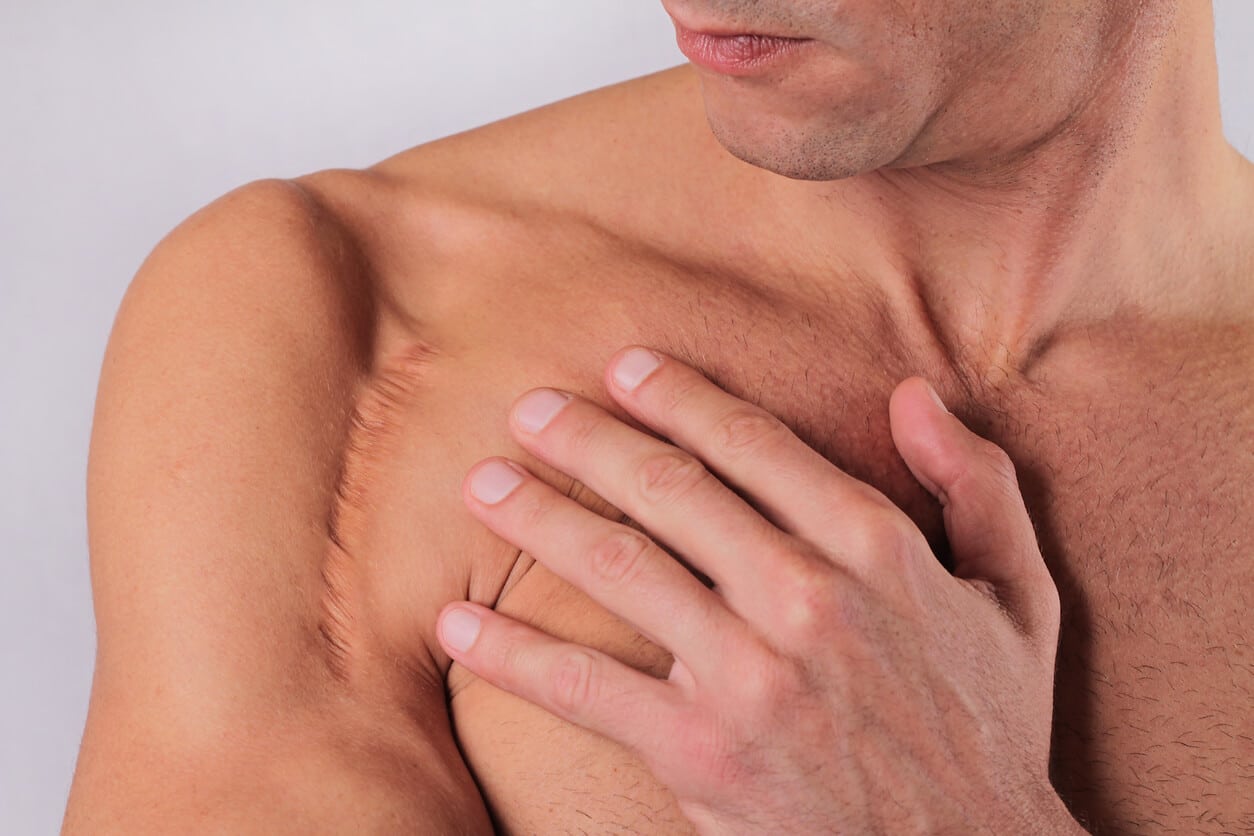
During the procedure, the surgeon will make an incision at the front of the shoulder, gently move the muscles to access the joint, and remove the damaged ends of the bones. Then, the custom prosthetic implants are secured in place.
Immediate Post-Operative Care
After surgery, you will wake up in the post-anesthesia care unit (PACU) before being transferred to a hospital room. Most patients stay one to two nights in the hospital, though some optimized procedures can be performed on an outpatient basis.
A physical therapist will visit you on the first day after surgery to guide you through gentle, passive arm movements. You will be discharged with a protective sling to wear at home.
Benefits, Risks, and Long-Term Outcomes
Understanding the balance of benefits and risks is essential for making an informed decision about shoulder surgery near you.
The Benefits
- Profound Pain Relief: Most patients experience a dramatic reduction or total elimination of chronic arthritic pain.
- Restored Mobility: You can expect to regain the functional mobility required for independent living, such as reaching overhead and dressing without assistance.
- Impressive Longevity: The majority of patients report high satisfaction, with modern implants routinely lasting 15 to 20 years or more.
Risks and Recovery Challenges
While shoulder arthroplasty is considered a safe and highly predictable major surgery, it does carry potential risks that you should discuss with your care team:
- Surgical Risks: These include a low infection rate, deep vein thrombosis (blood clots), rare nerve or blood vessel irritation, and early implant dislocation.
- Rehabilitation Commitment: The ultimate success of your surgery depends entirely on your willingness to complete several months of structured, routine physical therapy.
- Temporary Restrictions: You will have strict lifting and movement limitations for the first few months to allow the surrounding muscles and tendons to heal securely around the new joint.
Recovery and Aftercare Timeline
Active participation in your recovery plan is the absolute key to a successful long-term outcome. Here is what you can expect during each phase of your healing journey:
- Weeks 0 to 4: Joint Protection & Pain Control
-
- Sling Usage: Wear your protective sling continuously, removing it only for bathing and your formal physical therapy sessions.
- Movement: Perform gentle, passive range-of-motion exercises to prevent stiffness without straining the healing tissue.
- Comfort: Actively manage local swelling and discomfort using ice therapy and your prescribed medications.
- Weeks 4 to 12: Regaining Motion & Active Strength
-
- Sling Weaning: Gradually spend more time out of the protective sling under your surgeon’s specific direction.
- Transition: Shift from passive movement to active motion, using your own shoulder muscles to gently move your arm.
- Strengthening: Introduce light, progressive resistance and basic strengthening exercises to rebuild atrophied muscles.
- Month 3 & Beyond: Returning to Normal Activities
-
- Milestones: Most patients safely resume driving around the 6-week mark and return to light, everyday household tasks by month 3.
- Recreation: Reintroduce low-impact recreational activities like swimming, golf, or tennis at 4 to 6 months, pending your surgeon’s approval.
- Longevity Rules: Protect your new joint and prevent premature implant wear by permanently avoiding heavy lifting and high-impact contact sports.
When to Seek Emergency Medical Attention
It is important to understand the difference between normal post-surgical discomfort and signs of a developing medical complication.
Seek immediate medical care or call 911 if you experience any of the following warning signs:
- Signs of Infection: Fever, chills, redness, or drainage.
- Signs of Pulmonary Embolism: Shortness of breath, chest pain.
- Signs of Deep Vein Thrombosis: Leg swelling, pain, or redness.
- Uncontrolled Pain: Severe pain despite medication.
- A Sudden “Popping” Sensation
Finding the Right Care for Your Shoulder
Deciding to undergo joint replacement is a collaborative choice made between you and a specialist. If you have exhausted conservative treatments like physical therapy and cortisone injections without finding relief, it may be time to consider shoulder surgery near you.
To ensure the best possible outcome, look for a board-certified, fellowship-trained orthopedic surgeon who specializes in advanced shoulder reconstruction.
During your consultation, be sure to:
- Discuss your personal lifestyle goals.
- Ask about their specific success rates.
- Map out a treatment plan tailored to your life.
Taking these steps can help move you away from chronic pain and toward a more comfortable, active, and independent future.
Frequently Asked Questions (FAQ)
Below, we’ve compiled answers to some common questions to help you better understand shoulder surgery near you and what to expect throughout the process.
What conditions typically require shoulder surgery?
Shoulder surgery is often recommended for conditions such as rotator cuff tears, shoulder arthritis, labral tears, dislocations, impingement syndrome, and severe fractures that fail to heal properly with non-surgical treatments.
How do I know if I need shoulder surgery near me?
If non-surgical treatments like physical therapy, medications, or injections have not alleviated your symptoms or improved your mobility, your orthopedic specialist may recommend surgery. An evaluation will help determine the best course of action based on your individual condition.
What are the recovery times for shoulder surgery?
Recovery times vary depending on the type of surgery performed. Minimally invasive procedures may result in quicker recovery times of a few weeks, while more complex surgeries, such as shoulder replacement, may require several months of rehabilitation to regain full function.
Will I need physical therapy after shoulder surgery?
Yes, physical therapy is a critical component of the recovery process. It helps restore strength, improve range of motion, and ensure proper healing. Your care team will design a customized rehabilitation plan tailored to your needs.
How soon can I return to daily activities?
The timeline for resuming daily activities will vary depending on the nature of the surgery and your body’s healing process. Your orthopedic specialist will guide you through the recovery milestones to ensure a safe and effective return to normal activities.
Expert Shoulder Surgery in Morrisville, Cary, and Holly Springs, NC
With the right care and expertise, reclaiming your mobility is entirely possible. By partnering with a skilled orthopedic specialist at Cary Orthopaedics, you can take control of your health and work toward a life free from pain.
Our team is here to support you on your journey to recovery and a more active, fulfilling future. If you have questions about your joint health or want to schedule an evaluation for shoulder surgery at our clinic near you, call us at (919) 573-4825 to explore your treatment options today.