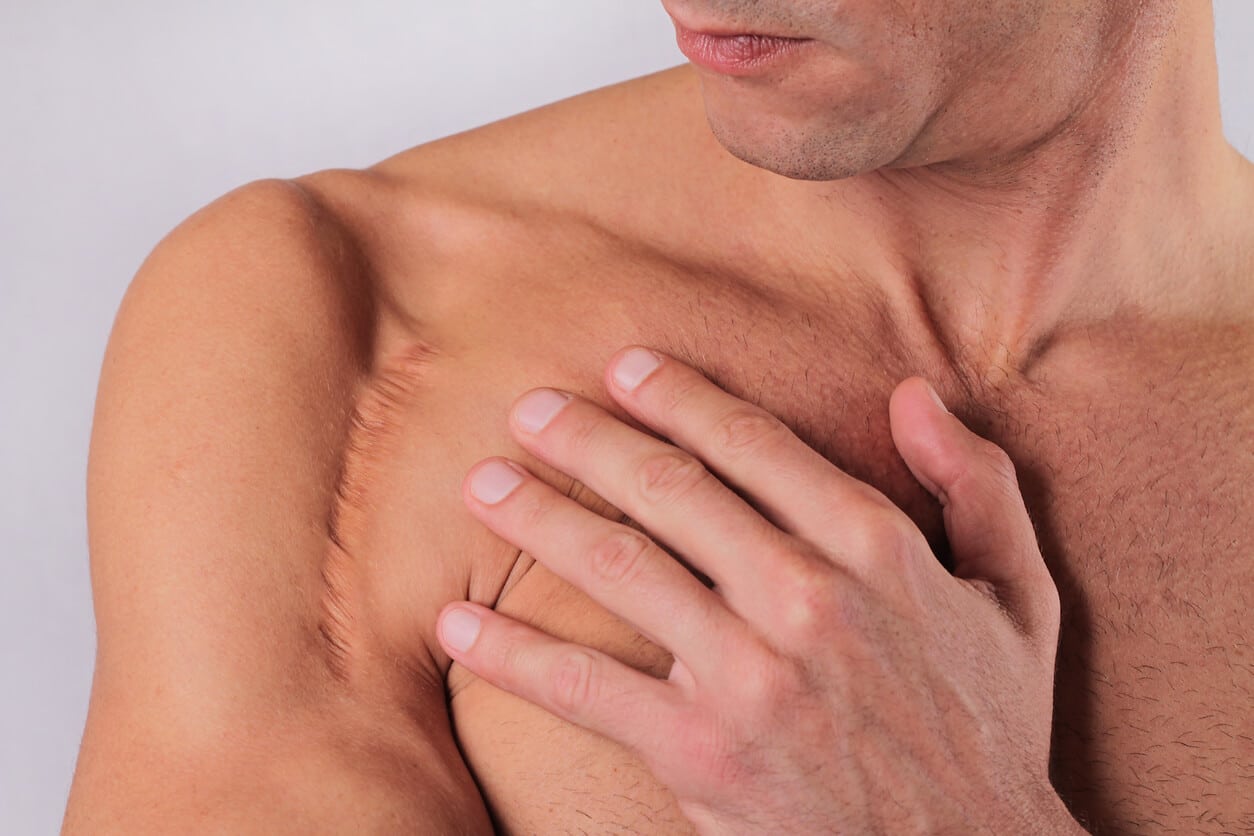

When dealing with a shoulder dislocation, seeking immediate specialized care from an orthopaedic urgent care is essential to safely reset the joint, manage pain, and prevent severe long-term complications.
In short,
- Prompt treatment protects surrounding nerves and blood vessels from lasting damage.
- Medical providers can safely assess the injury and stabilize the joint before specialist follow-up.
- Proper alignment and rehabilitation reduce the risk of chronic shoulder instability.
A dislocated shoulder is highly painful and requires immediate medical care. Prompt treatment helps relieve your pain, safely resets the joint, and protects surrounding tissues from long-term damage.
At Cary Orthopaedics Urgent Care, our fellowship-trained team provides immediate evaluations, on-site digital imaging, expert joint reduction (resetting), and custom stabilization. Choosing urgent care for a dislocated shoulder ensures your shoulder is safely repositioned by experts, minimizing complications and putting you on a clear path to a full recovery.
What is a Shoulder Dislocation and Who Needs Care?
A shoulder dislocation occurs when the ball of your upper arm bone pops completely out of its socket. This painful injury requires immediate medical care to protect the surrounding tissues from further damage. Seeking an orthopedic urgent care for a dislocated shoulder is the safest way to relieve your pain and start your recovery.
A dislocated shoulder most often results from high-impact sports collisions, sudden trauma, or severe falls. According to Johns Hopkins, the shoulder can dislocate in several directions—including forward, downward, and backward.
Prompt evaluation by a medical professional ensures your joint is safely reset and properly stabilized for optimal recovery.
Who Needs Immediate Care?
You should seek medical evaluation at an urgent care for a dislocated shoulder right away if you experience any of these symptoms after a shoulder injury:
- A sudden impact that leaves your shoulder joint looking visibly out of place or deformed.
- Numbness, tingling, or a pins-and-needles sensation traveling down your arm or into your hand.
- Severe pain and an inability to move your arm.
How Does a Shoulder Displacement Happen?
Your shoulder joint is the most mobile joint in your body, able to move in nearly any direction. However, this remarkable flexibility comes at a cost. According to the Mayo Clinic, the shoulder is also the most frequently dislocated joint.
To maintain both movement and stability, the joint depends on a complex network of muscles, tendons, and ligaments working together to keep it secure.
When an extreme force—such as a hard fall, sports collision, or sudden impact—hits the shoulder, it can push the top of your upper arm bone completely out of its socket, requiring immediate, professional medical care.
What is the Anatomy of the Shoulder?
Your shoulder relies on three key components to stay stable and move smoothly.
- The ball-and-socket joint: The rounded top of your upper arm bone, called the humerus, sits inside a shallow socket in your shoulder blade, allowing your arm to rotate and move in multiple directions.
- The labrum: This ring of firm, rubbery cartilage lines the rim of the shoulder socket, acting like a protective gasket that deepens the socket to keep the arm bone centered, stable, and free to rotate.
- The rotator cuff: This group of four muscles and tendons wraps closely around the joint to keep your arm bone stable in its socket while providing the strength and control you need to lift, reach, and rotate your arm safely.
How Do You Safely Reset A Shoulder?
Our medical team uses a precise, gentle approach to safely realign your shoulder and prioritize your comfort throughout the process. We focus on three key steps to ensure optimal results:
- Relaxing the muscles: We begin by easing muscle spasms caused by the dislocation, allowing for a smoother and safer realignment without risking muscle or tendon tears.
- Realigning the joint: Next, we gently guide the top of your arm bone back into its socket, carefully protecting the surrounding cartilage from damage.
- Safeguarding nerves and blood vessels: Throughout the procedure, our techniques are designed to protect the important nerves and blood vessels near your shoulder joint, ensuring a safe and complete recovery.
Why is DIY Reduction Dangerous?
Attempting to pop your shoulder back into place on your own is highly dangerous and can easily fracture bones. This improper manipulation can also trap or damage nearby nerves and blood vessels.
Furthermore, self-reduction significantly increases your risk of chronic joint instability and future dislocations.
What is the Treatment Process?
At every stage, our priority is your safety, comfort, and long-term recovery. Here’s what you can expect from your care team at an urgent care for a dislocated shoulder:
- Thorough Assessment: We examine your shoulder, check nerve function and pulses, and confirm the dislocation with X-rays.
- Personalized Pain Relief: We administer pain medication or numbing injections and may use muscle relaxants to ease spasms.
- Protection and Recovery Planning: We stabilize your arm in a sling or splint and refer you to one of our orthopedic specialists for follow-up care.
What Are the Benefits of Urgent Care for a Dislocated Shoulder?
Seeking immediate medical attention at an urgent care for a dislocated shoulder for a dislocated shoulder is critical. Prompt professional care not only relieves severe pain quickly but also initiates the natural healing process. This timely intervention is essential for preventing long-term complications in the joint.
Proper Shoulder Realignment
Putting the joint back into its proper position brings immediate relief. The sharp, intense pain decreases significantly the moment the shoulder is safely guided back into its socket.
This process also restores the natural appearance of your shoulder. Once the bone is properly aligned, the visible deformity corrects itself and your shoulder returns to its normal shape.
Protecting Your Nerves and Blood Vessels
Proper alignment relieves pressure on the surrounding tissues. This stops the abnormal stretching of nearby nerves and blood vessels, which protects your arm’s circulation and sensation.
Preventing Future Complications
Getting treatment quickly helps protect your joint from long-term damage. Fast stabilization lowers your risk of subluxation, which happens when the shoulder partially slips out of place during everyday activities.
What Can You Expect During Recovery and Aftercare?
Following a structured aftercare plan is a vital part of your recovery process. This dedicated period of rest and guided movement gives your damaged ligaments, tendons, and muscles the support they need to mend correctly.
By carefully following your recovery guidelines, you help these healing tissues gradually rebuild their natural strength and long-term stability.
Sling Usage
Wearing your sling exactly as prescribed is a critical first step in your recovery. Keeping your arm still gives the torn or stretched ligaments the quiet environment they need to heal properly. Be sure to follow your healthcare provider’s specific instructions on when to wear the sling and how to take it off safely.
Rehabilitation
Once your doctor clears you to move, you will begin a structured physical therapy program. This starts with gentle range-of-motion movements to prevent your shoulder joint from becoming stiff.
Over time, you will transition to targeted exercises designed to strengthen the rotator cuff muscles that keep your shoulder stable.
Long-Term Protection
Protecting your healing shoulder requires making temporary changes to your daily routine. Avoid lifting objects above your head, as this movement puts excessive stress on the recovering joint.
You should also skip contact sports and heavy physical activities that could cause sudden impacts or re-injury.
Be sure to attend all scheduled follow-up appointments with your orthopedic specialist. These visits allow your care team to monitor your healing progress and safely adjust your recovery plan.
Visit an Urgent Care for a Dislocated Shoulder in Holly Springs, NC
A dislocated shoulder is a painful and urgent injury that demands immediate, specialized care. Seeking prompt treatment from an orthopaedic urgent care for a dislocated shoulder ensures your shoulder is safely reset, your pain is managed, and your nerves and blood vessels are protected from lasting harm.
With proper realignment, stabilization, and guided rehabilitation, you’ll reduce your risk of future instability and return to your daily activities with confidence.
Don’t take chances with your shoulder health. If you suspect a dislocation, trust the fellowship-trained team at Cary Orthopaedics for expert evaluation and treatment. Call (919) 573-4825 to schedule your visit and start your recovery today.