An orthopedist specializes in diagnosing and treating joint pain to help you regain mobility and improve your quality of life. In short,
- Orthopedists use advanced diagnostic tools to pinpoint the exact cause of your joint pain.
- They create tailored plans, including therapy, medication, or minimally invasive procedures, to address your specific needs.
- From prevention strategies to post-treatment rehabilitation, orthopedists provide end-to-end care for lasting relief.
Persistent joint pain can affect nearly every part of your daily life — from climbing stairs to sleeping comfortably. Whether your discomfort comes on gradually or follows a sudden injury, finding the right specialist makes a significant difference in how quickly and completely you recover.
An orthopedist is the medical professional best equipped to evaluate and treat joint pain at its source. If you have been searching for an orthopedist near you, this guide explains exactly what to expect: how these specialists diagnose your condition, what treatment options are available, and what your recovery journey might look like.
What Is an Orthopedist?
According to the Cleveland Clinic, an orthopedist is a medical doctor who specializes in the musculoskeletal system. This includes the network of bones, joints, ligaments, tendons, muscles, and nerves that support your body and allow it to move.
After completing medical school, orthopedic physicians complete extensive specialized residency and fellowship training focused exclusively on diagnosing, treating, preventing, and rehabilitating musculoskeletal conditions.
This depth of training ensures an orthopedist near you understands how structures throughout the body interact, which allows them to identify the true source of your pain rather than treating symptoms in isolation.
Orthopedists treat a wide range of conditions, including:
- Osteoarthritis and rheumatoid arthritis
- Acute joint injuries such as fractures
- Ligament and tendon tears, including ACL and rotator cuff injuries
- Sports-related injuries
- Bursitis and tendinitis
- Congenital or developmental musculoskeletal conditions
How Does an Orthopedist Diagnose Joint Pain?
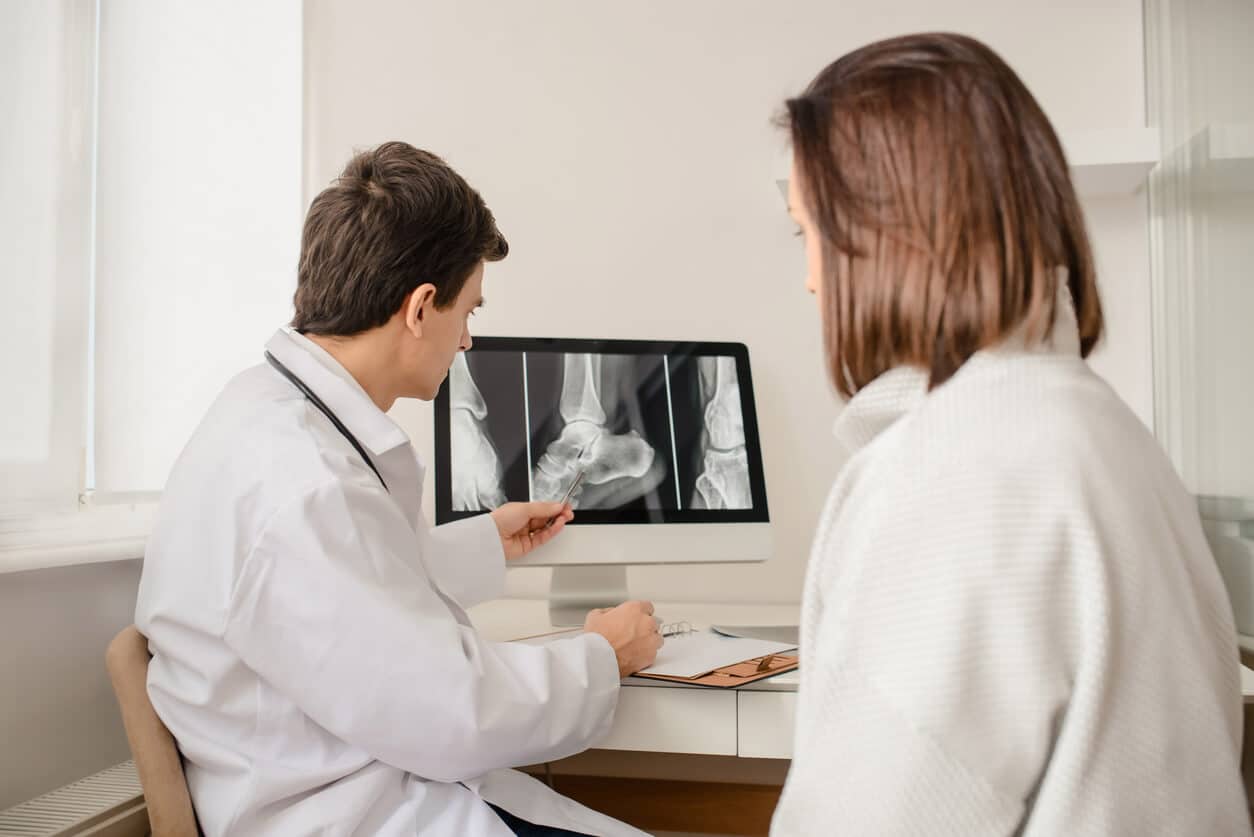
Effective treatment begins with an accurate diagnosis. During your first appointment, your orthopedist will take a thorough medical history and ask detailed questions about your symptoms, like when the pain started, what makes it better or worse, how it affects your daily activities, and whether you have experienced previous injuries to the area.
A focused physical examination follows. Your orthopedist will assess your joint’s range of motion, stability, and strength, and carefully identify areas of tenderness. Based on these findings, they may order diagnostic imaging to get a clearer picture of the underlying issue.
Diagnostic Imaging Tools
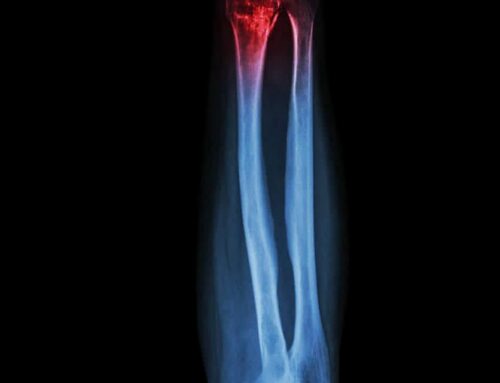
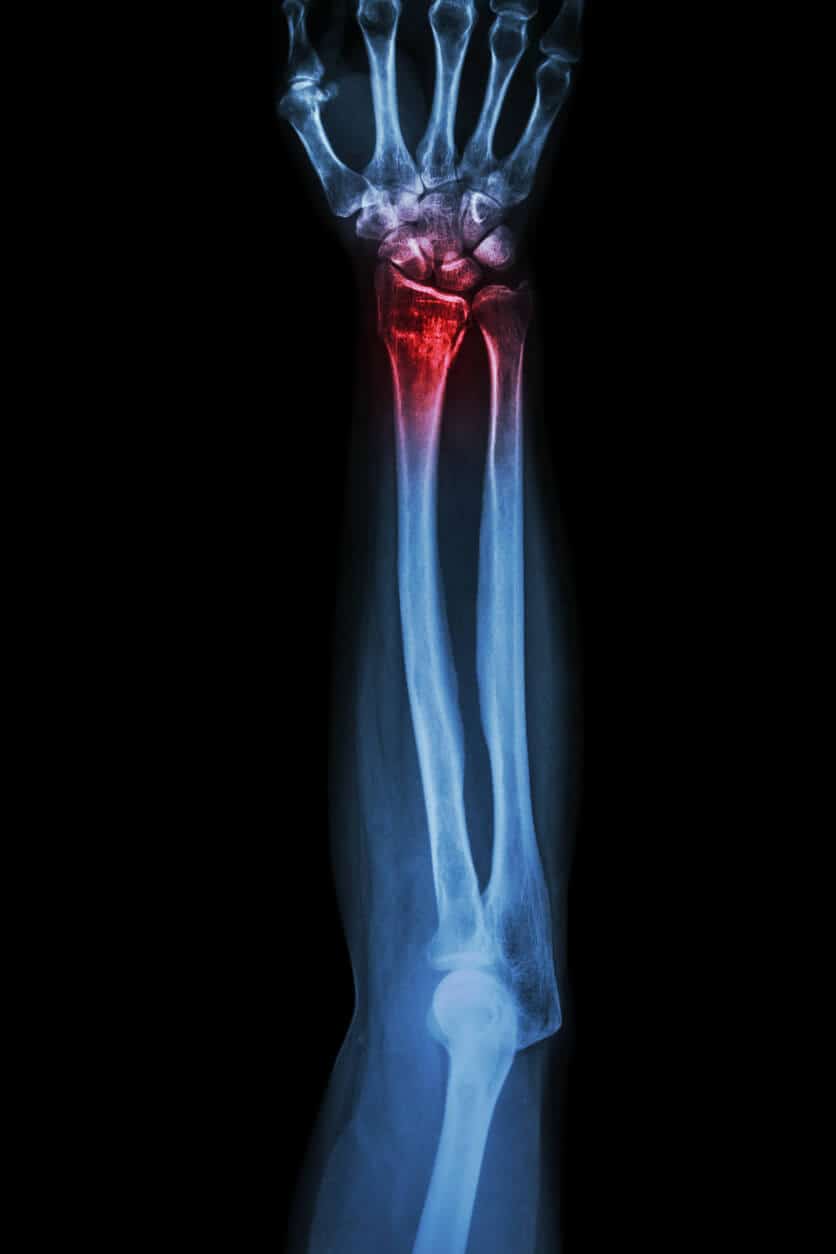
- X-rays provide clear images of bone structure and help identify fractures, joint space narrowing, and arthritic changes.
- MRI scans offer detailed visualization of soft tissues, including ligaments, tendons, cartilage, and the structures within and around your joint.
- CT scans can give a more precise three-dimensional view of complex bone injuries or joint anatomy.
- Ultrasound imaging is sometimes used to assess tendons and soft tissue in real time.
This thorough diagnostic process ensures your treatment plan addresses the actual cause of your pain, not just its surface-level symptoms.
Common Joint Pain Conditions an Orthopedist Near You Treats
Joint pain has many potential causes, and the appropriate treatment depends entirely on what is driving your specific symptoms. Below are some of the most common conditions that bring patients to an orthopedic practice.
Osteoarthritis
According to the MayoClinic, osteoarthritis affects millions of people worldwide. It occurs when the protective cartilage covering the ends of your bones gradually wears away. It most commonly affects the knees, hips, and hands.
An orthopedist can help manage the condition through a combination of activity modification, physical therapy, anti-inflammatory medications, joint injections, and, when conservative measures are no longer effective, surgical options such as joint replacement.
Ligament and Tendon Injuries
Tears to the ACL, MCL, or rotator cuff are common in both athletes and active adults. These injuries cause pain, instability, and significant loss of function.
An orthopedist will determine the severity of the tear and recommend either conservative rehabilitation or surgical repair, depending on your injury and activity goals.
Bursitis and Tendinitis
These inflammatory conditions cause localized joint pain and are often linked to overuse or repetitive motion. They respond well to targeted orthopedic care, which may include rest, physical therapy, or corticosteroid injections.
What Are Your Treatment Options?
One of the most important things an orthopedist offers is a full spectrum of treatment options, from the least invasive to surgical intervention. The goal is always to restore function, relieve pain, and improve your quality of life using the most appropriate and conservative approach first.
Non-Surgical Treatment Options
Most patients begin with conservative care. An orthopedist near you may recommend one or more of the following:
- Physical therapy: A structured program to rebuild strength, restore range of motion, and improve joint stability.
- Medication management: Anti-inflammatory medications or other prescription options to control pain and reduce swelling.
- Corticosteroid injections: Targeted injections deliver powerful anti-inflammatory medication directly to the joint for fast, effective relief.
- PRP (Platelet-Rich Plasma) therapy: A regenerative treatment that uses concentrated growth factors from your own blood to stimulate tissue healing.
- Bracing and orthotics: Supportive devices that offload stress from the injured joint and protect it during recovery.
- Activity modification: Practical guidance on adjusting your daily habits to reduce strain while healing.
Surgical Treatment Options
When conservative treatment does not provide sufficient relief, or when the structural damage to a joint is severe, surgical intervention may be the most effective path forward. Common orthopedic surgical procedures include:
- Arthroscopy: A minimally invasive procedure using a small camera to repair damaged cartilage, ligaments, or tendons inside a joint.
- Fracture repair: Surgical stabilization of complex bone fractures using plates, screws, or rods.
- Joint replacement: Total or partial replacement of a damaged hip, knee, or shoulder joint with a durable prosthetic implant.
- Ligament reconstruction: Surgical rebuilding of severely torn ligaments, such as ACL reconstruction.
Your orthopedist will discuss each option clearly and honestly, helping you understand the benefits, risks, and expected recovery for every approach.
Personalized Care at Every Stage
Every patient who walks through our doors brings a unique combination of age, health history, activity level, and goals. A treatment plan that works well for a 25-year-old competitive athlete looks very different from one designed for a 65-year-old managing chronic arthritis.
Your orthopedist takes all of these factors into account. Rather than applying a one-size-fits-all protocol, they build a plan around your specific diagnosis and what matters most to you.
What Does the Recovery Process Look Like?
Recovery timelines vary based on the nature of your condition and the type of treatment you receive. Minor soft tissue injuries may resolve within a few weeks of conservative care, while recovery from a joint replacement or complex ligament reconstruction can take six months or more.
Most orthopedic recovery journeys follow three general phases:
- Acute Phase (Weeks 1–2): The focus is on controlling pain, reducing inflammation, and protecting the injured area from further damage.
- Sub-Acute Phase (Weeks 3–6): Gentle, progressive movement is introduced to begin restoring range of motion and prevent stiffness.
- Rehabilitation Phase (Months 2–6+): A structured physical therapy program rebuilds full strength, flexibility, and functional stability, guiding you toward a safe return to daily activities.
Regular follow-up appointments throughout this process allow your orthopedist to monitor your healing, adjust your plan as needed, and confirm you are progressing safely toward your recovery goals.
When Should You See an Orthopedist Near You?
Joint pain is not something you should simply push through or wait to resolve on its own, especially if it is interfering with your daily life. Consider scheduling an appointment if you experience any of the following:
- Joint pain that persists for more than a few days without improvement
- Swelling, stiffness, or warmth around a joint
- Difficulty or pain with routine activities like walking, climbing stairs, or reaching overhead
- A joint that feels unstable or gives way unexpectedly
- A recent injury that caused sudden, significant pain
Seek emergency care immediately if you experience a visibly deformed joint, severe uncontrolled pain following trauma, numbness or loss of sensation in a limb, or signs of infection such as fever or redness spreading around the joint.
Early evaluation almost always leads to better outcomes. Catching a condition in its earlier stages provides more treatment options and reduces the risk of long-term complications.
Why Choose an Orthopedic Specialist?
Choosing an orthopedist near you over a general practitioner for joint pain gives you access to a level of specialized knowledge that translates directly into more precise diagnoses and more targeted treatment.
Orthopedic specialists combine advanced diagnostic tools with a comprehensive understanding of how the entire musculoskeletal system functions and how disruption in one area affects the whole.
Frequently Asked Questions
Below, we’ve compiled answers to some of the most common questions about orthopedic care to help you feel informed and confident in your treatment decisions.
What types of joint pain does an orthopedist near me treat?
Orthopedists treat a broad range of conditions, including osteoarthritis, rheumatoid arthritis, tendinitis, bursitis, ligament tears, and fractures. They treat joints throughout the body, including the knee, hip, shoulder, ankle, wrist, and spine.
Do I need a referral to see an orthopedist?
Referral requirements vary depending on your insurance plan. Many patients can schedule directly with an orthopedic practice. It is best to confirm with your insurance provider before booking.
Will I need surgery?
Not necessarily. The majority of joint pain conditions are effectively managed with conservative, non-surgical treatments. Surgery is considered only when other approaches have not provided adequate relief or when the structural damage to the joint requires it.
Where Can I Find an Orthopedist in North Carolina?
If persistent joint pain is limiting your mobility and holding you back from the activities you enjoy, Cary Orthopaedics is here to help. Our orthopedic specialists provide thorough evaluation, accurate diagnosis, and a personalized treatment plan designed to get you moving comfortably again.
To schedule a consultation or learn more about our services, call us at (919) 573-4825. We are ready to guide you from your first evaluation through every stage of your recovery.