In short:
- Urgent care centers are equipped to perform X-rays for diagnosing suspected fractures.
- Prompt diagnosis helps prevent complications and guides effective initial treatment.
- A crucial follow-up with a specialist is needed after your urgent care visit.
If you’ve ever experienced a sudden injury — whether from a fall, a sports mishap, or an accident — you know how alarming it can be to suspect a broken bone. In these moments, you might wonder: Can urgent care X-ray a broken bone? The answer is yes.
Urgent care centers are equipped to diagnose and provide initial treatment for many non-life-threatening injuries, including suspected fractures. They offer a convenient and efficient alternative to emergency rooms for conditions requiring prompt attention but not severe enough to warrant a trip to the ER.
This guide will walk you through everything you need to know about getting an X-ray at urgent care, when it’s the right choice, and what to expect during and after your visit.
What Types of Injuries Can Urgent Care Be Used For?
Urgent care centers are designed to bridge the gap between primary care and emergency rooms. They provide immediate care for acute illnesses and injuries that aren’t life-threatening but still require attention within 24 hours. These facilities are ideal for treating conditions like sprains, strains, minor cuts, and, of course, suspected fractures.
One of the key advantages of urgent care is its accessibility. Many centers offer extended hours, including evenings and weekends, making them a convenient option when your primary care doctor isn’t available.
Additionally, most urgent care facilities are equipped with on-site X-ray machines, allowing for rapid assessment and diagnosis of injuries involving bones.
When to Choose Urgent Care for a Suspected Fracture or Broken Bone
Knowing when to choose urgent care versus the emergency room can save you time, money, and stress. Urgent care is an excellent option for injuries that are not life-threatening but still require prompt attention. Here are some scenarios where urgent care is appropriate for a suspected fracture:
Signs you should visit urgent care:
- Sudden pain:You experience sharp or persistent pain after an injury.
- Swelling or bruising:The injured area becomes swollen or discolored.
- Difficulty moving:You have trouble moving the affected limb or joint.
- Inability to bear weight:Walking or putting pressure on the injured area is painful or impossible.
- Mild deformity:The injured area looks slightly out of place but isn’t severely misaligned.
These symptoms often occur after falls, sports injuries, or minor accidents. If you suspect a simple fracture, urgent care can provide the necessary X-rays and initial treatment to stabilize the injury.
When to Go to the Emergency Room
While urgent care is a great option for many injuries, there are situations where the emergency room is the better choice. Severe fractures or injuries with complications require the advanced resources of an ER. Here’s when you should skip urgent care and head straight to the hospital:
Signs you should visit the ER:
- Open fractures:The bone has pierced through the skin.
- Severe deformity:The injured area is visibly misaligned or bent at an unnatural angle.
- Heavy bleeding:The injury is accompanied by significant blood loss.
- Head, neck, or spinal injuries:These require immediate, specialized care.
- Numbness or loss of sensation:This could indicate nerve damage.
- Inability to move the limb at all:This may suggest a severe break or dislocation.
In these cases, the ER is equipped to handle complex injuries, perform advanced imaging, and provide surgical interventions if necessary.
What to Expect During Your Urgent Care Visit for a Suspected Fracture
If you decide to visit urgent care for a suspected fracture, knowing what to expect can help ease any anxiety. Here’s a step-by-step overview of what typically happens during your visit:
1. Initial Assessment
When you arrive, you’ll check in and provide details about your injury. A healthcare provider will ask questions about how the injury occurred, your symptoms, and your medical history. They’ll perform a physical examination to assess the injured area, checking for swelling, tenderness, range of motion, and any visible deformities.
2. X-Ray Imaging
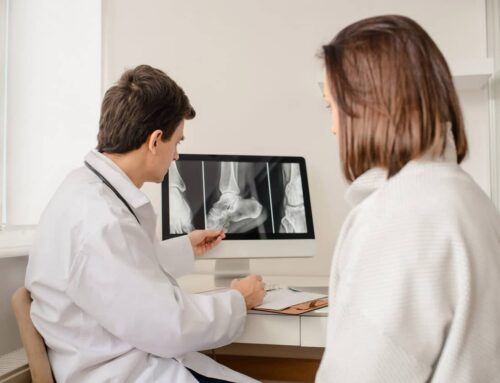
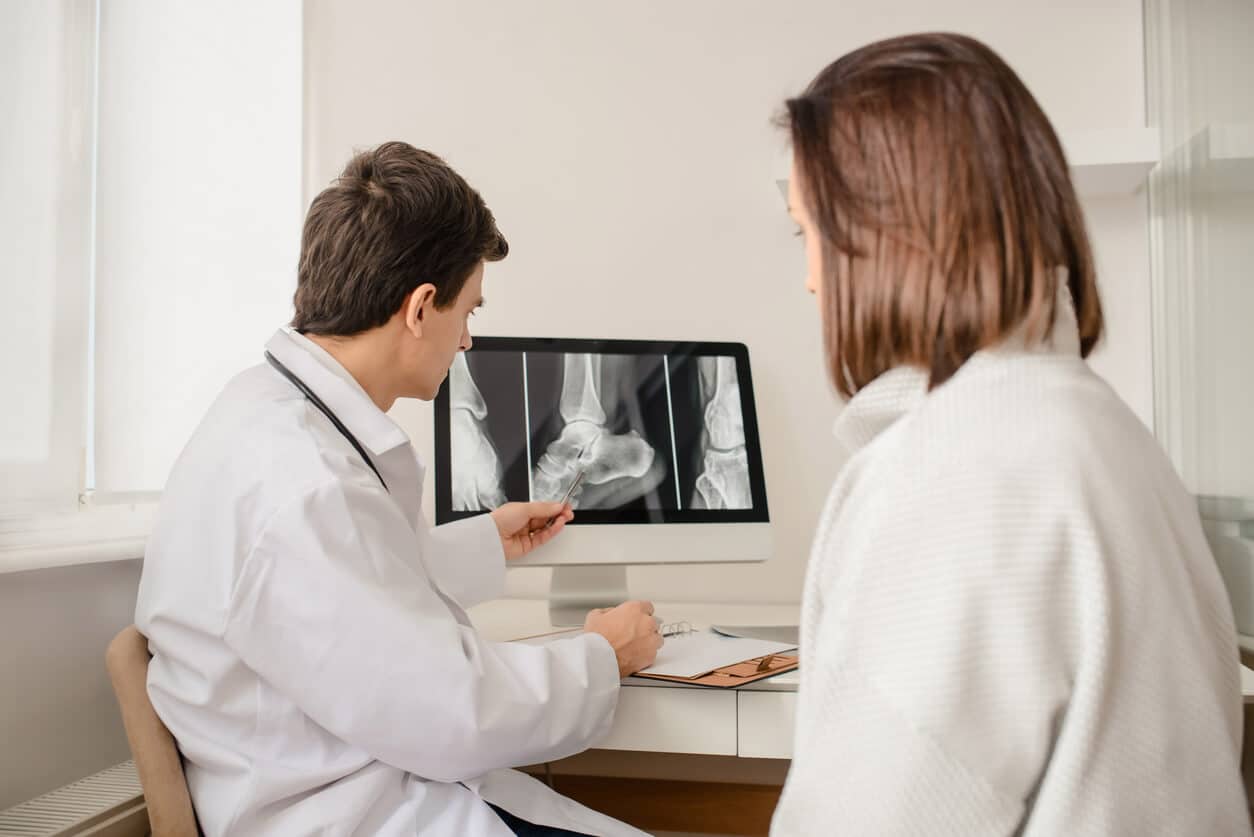
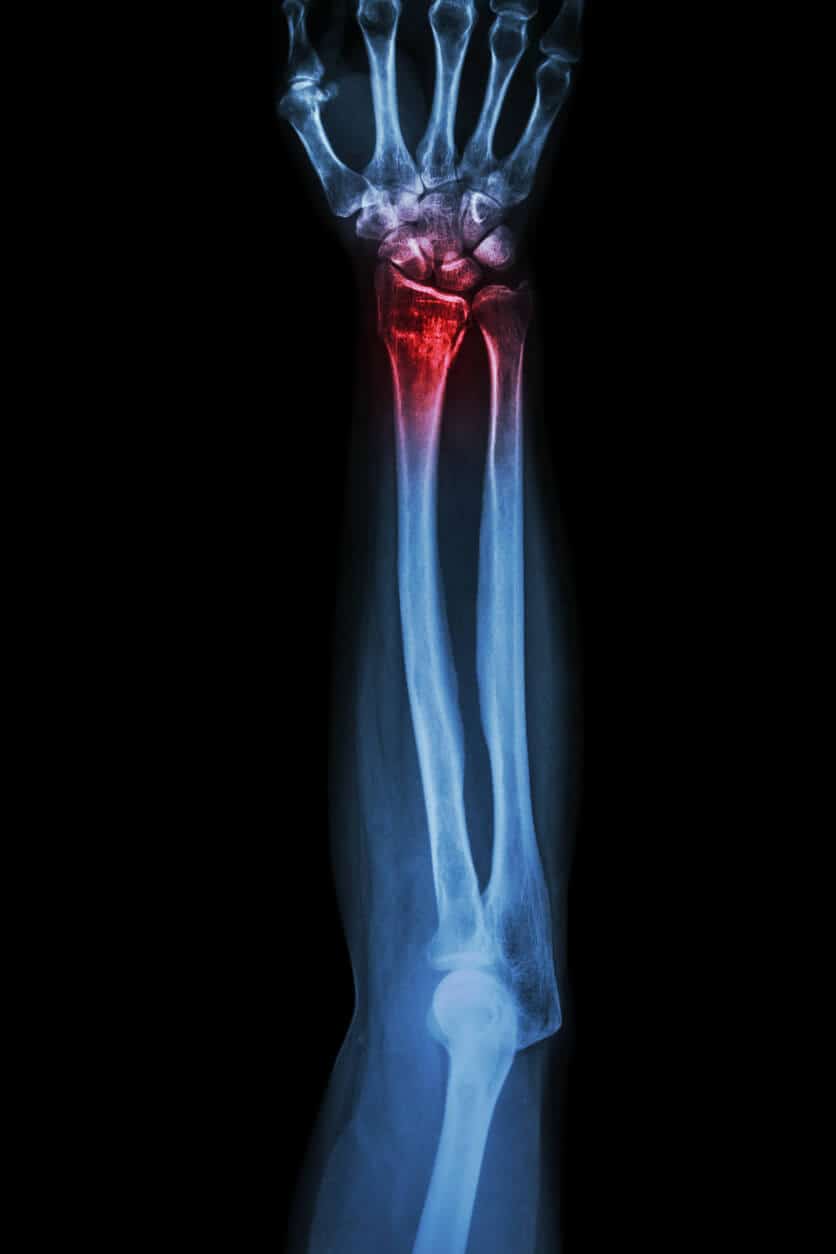
If the provider suspects a fracture, they’ll order an X-ray to confirm the diagnosis. Most urgent care centers have on-site X-ray machines, allowing for quick imaging. During the X-ray, the injured area will be positioned to capture clear images from multiple angles.
The results are typically available within minutes, enabling the provider to determine the type and severity of the fracture.
3. Diagnosis and Treatment
Based on the X-ray results, the provider will explain the diagnosis and recommend a treatment plan. For simple fractures, this may include:
- Stabilization:Applying a splint or temporary cast to immobilize the injury.
- Pain management:Recommending over-the-counter pain relievers or prescribing medication if needed.
- Activity modification:Advising you to avoid putting weight on the injured area or engaging in certain activities.
4. Referral for Follow-Up Care
While urgent care can provide initial treatment, most fractures require follow-up with a specialist, such as an orthopedic doctor. The urgent care provider will give you a referral and may even help schedule your appointment.
Why Prompt Diagnosis is Crucial
Getting an X-ray and diagnosis as soon as possible is essential for several reasons:
- Prevents complications:Delayed treatment can lead to improper healing, chronic pain, or long-term mobility issues.
- Guides effective treatment:Knowing the type and severity of the fracture helps determine the best course of action, whether it’s a splint, cast, or surgery. It can also help indicate if further tests are needed, as sometimes things like stress fractures cannot be fully seen on X-rays.
- Reduces pain:Stabilizing the injury early can alleviate discomfort and prevent further damage.
Follow-Up Care After Your Urgent Care Visit for a Suspected Fracture
After your urgent care visit, follow-up care is critical to ensure proper healing. Here’s what you can expect in the days and weeks following your initial treatment:
1. Specialist Consultation
Your orthopedic specialist will review your X-rays and may order additional imaging if needed. They’ll confirm the diagnosis and discuss a long-term treatment plan, which may include:
- A more permanent cast or brace.
- Physical therapy to restore strength and mobility.
- Surgery for more complex fractures.
2. Recovery Timeline
The recovery process varies depending on the type and location of the fracture but typically involves 3 stages of healing (according to the National Institutes of Health). For most simple fractures, all 3 stages can take 6–8 weeks. During this time, it’s important to follow your doctor’s instructions, including:
- Keeping the injured area immobilized.
- Avoiding activities that could strain the injury.
- Attending all follow-up appointments to monitor progress.
Frequently Asked Questions
Is it better to go to urgent care or the ER for an X-ray?
For minor injuries like a sprain or a suspected simple fracture, urgent care is often a faster and more cost-effective option for an X-ray. However, for severe breaks, deep wounds, or head injuries, the emergency room is always the best choice for immediate, comprehensive care.
Am I covered for X-rays at urgent care?
Insurance coverage for urgent care X-rays varies by plan. It’s always best to contact your insurance provider directly before your visit to understand your specific benefits, co-pays, and deductibles. While urgent care is generally more affordable than an ER for X-rays, confirming your coverage ensures no unexpected costs.
After Urgent Care for X-Rays for Fractures: Get Follow-Up Care in North Carolina
If you suspect a fracture, don’t wait to seek care. Visit Cary Orthopaedics. Our experts are here to provide personalized care throughout each step of your healing.
Call us today at (919) 467-4992 to schedule your appointment or visit our Contact Us page. We now also treat our urgent care patients in Holly Springs Urgent Care.