
In short:
- Yes, most urgent care centers can assess and stabilize many bone injuries.
- Seeking prompt care for suspected fractures or broken bones will ensure proper healing.
- It’s important to follow your provider’s guidance for the best possible recovery.
Suspecting a bone injury can be stressful, but you have options for finding care — including at urgent care — for broken or fractured bones. This guide will walk you through what to expect when seeking urgent care for a broken bone, from preparing for your visit to understanding your recovery process.
Preparing for Your Urgent Care Visit for a Broken Bone or Suspected Fracture
Being prepared for your urgent care visit can make the process smoother and less stressful. Here’s what you need to know about recognizing fracture symptoms, deciding between urgent care and the ER, and what to bring with you.
Recognizing the Signs of a Fracture
If you suspect a broken bone, look for these common signs:
- Sudden, intense pain after an injury, especially when moving or applying pressure.
- Swelling, bruising, or tenderness around the injured area.
- Visible deformity, such as a bent limb, or inability to bear weight.
- Difficulty moving the injured part, or sensations of numbness or tingling.
When to Choose Urgent Care vs. the Emergency Room
Knowing where to go can save time and ensure you get the right care:
- Urgent care is ideal for:
- Suspected simple fractures (e.g., wrists, ankles, fingers).
- Sprains or dislocations without severe deformity or open wounds.
- Head to the ER for:
- Open fractures (bone piercing through the skin).
- Heavy bleeding, head or spinal injuries.
- Severely deformed or discolored limbs.
While general retail urgent cares will often just apply a temporary splint and refer you out, an orthopedic-specific urgent care (like Cary Orthopaedics) has specialists on-site who can diagnose, stabilize, and manage your full recovery journey from day one. However, severe, life-threatening injuries will still require the ER.
What to Bring and How to Prepare: Urgent Care Visits for Broken Bones
To make your visit as efficient as possible, here’s what to do:
- Bring your ID, insurance card, and a list of current medications or allergies.
- If possible, gently immobilize the injured area with a makeshift splint or sling.
- Avoid eating or drinking before your visit, as imaging or procedures might be required.
- Be ready to describe how the injury happened and your symptoms in detail.
What to Expect During Your Urgent Care Visit for Broken Bones Close to Me
Your urgent care visit will follow a structured process to ensure accurate diagnosis and immediate care. Here’s what typically happens:
Initial Assessment and Medical History
- A provider will ask about your symptoms, how the injury occurred, and your medical history.
- They’ll perform a physical exam, checking for swelling, tenderness, range of motion, and nerve function.
- Expect questions about your pain levels and any previous injuries to the area.
Diagnostic Imaging: X-rays
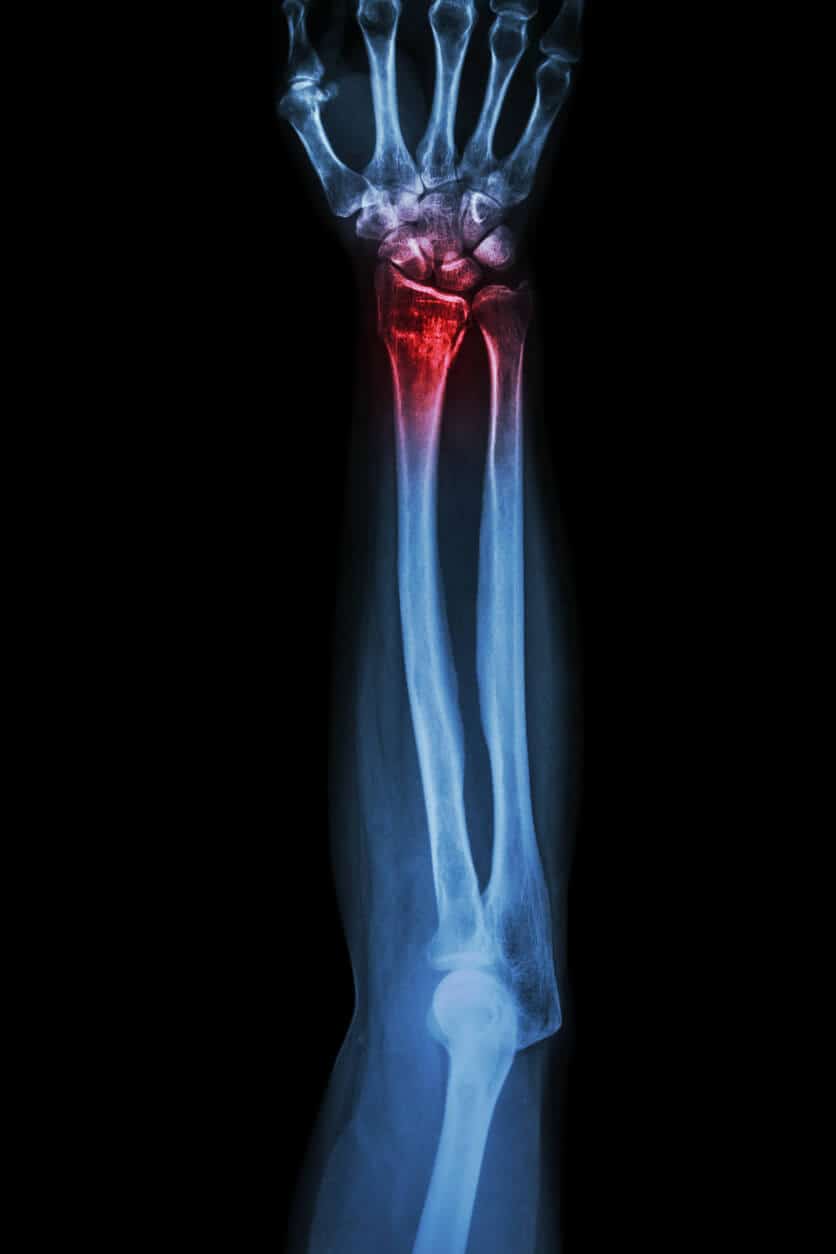
- X-rays are the primary tool for diagnosing fractures and are usually available on-site.
- The injured area will be positioned for several images taken from different angles.
- Results will confirm the type, location, and severity of the fracture — or rule out a break entirely.
Treatment and Stabilization
- If a fracture is confirmed, the provider will stabilize it with a splint, cast, or brace.
- Pain management options will be discussed, and medication may be prescribed.
- For certain dislocations or fractures requiring realignment (reduction), the provider may perform this or refer you to a specialist.
- You’ll receive instructions on how to care for the injury after stabilization.
What Happens Immediately After My Urgent Care Visit?
Once your injury is stabilized, the focus shifts to managing pain, reducing swelling, and planning your recovery. You’ll also receive detailed instructions for managing pain, reducing swelling, and caring for your splint or cast.
Be aware of signs of complications, such as increased pain, numbness, or skin color changes, and know when to seek further medical attention.
Pain Management and Swelling Reduction
Be sure to:
- Follow prescribed pain medication instructions; over-the-counter options like ibuprofen or acetaminophen may also help.
- Elevate the injured limb above your heart to reduce swelling.
- Apply ice packs for 15–20 minutes every 2–3 hours during the first 24–48 hours. Ensure the ice doesn’t directly touch your skin or cast.
Is the Recovery Timeline for a Broken Bone the Same if I Get Treated at Urgent Care?
Healing from a broken bone is a gradual process with distinct phases, no matter where you get treatment. Knowing what to expect can help you stay on track and set realistic recovery goals, whether it’s for you or your child. Broken bones are common in children, with the Mayo Clinic reporting that 1 in 3 children will experience a fracture or broken bone.
Initial Healing Phase (Weeks 1–3)
- The body begins forming new bone tissue around the fracture site.
- You’ll likely wear a cast or splint, which requires careful management to prevent complications.
- Pain and swelling should gradually decrease; rest and elevation remain crucial.
- Regular follow-ups will include repeat X-rays to monitor healing progress.
Consolidation Phase (Weeks 4–8)
- New bone tissue hardens and strengthens, bridging the fracture gap.
- Your cast may be replaced with a removable brace, and gentle physical therapy might begin.
- Avoid putting full weight or stress on the healing bone unless instructed by your doctor.
Remodeling and Rehabilitation (Months 3+)
- Over several months to a year, the bone remodels and strengthens, returning to its original shape and density.
- Physical therapy becomes more intensive, focusing on restoring strength, flexibility, and range of motion.
- Adhering to your rehabilitation program is critical to prevent long-term stiffness, weakness, or re-injury. The National Institutes of Health reports that fractures typically take around 12 weeks to fully heal.
Next Steps after Visiting Urgent Care Near Me for a Broken Bone
Your recovery starts with prompt, effective care. From diagnosis to stabilization and specialist referrals, urgent care centers are here to support you. Following your care plan diligently is essential for optimal healing and regaining full function.
Questions to Ask Your Provider at a Follow-Up Appointment
Before leaving urgent care, consider asking:
- What type of fracture do I have, and where is it located?
- How should I care for my splint or cast?
- What pain management options are best for me?
- When is my follow-up appointment, and what should I bring?
- What activities should I avoid, and for how long?
Get Urgent Care for Broken Bones Near Cary, North Carolina
A broken bone can feel overwhelming, but getting the right care quickly makes all the difference in your recovery. At Cary Orthopaedics, we’re here to provide expert diagnosis, immediate stabilization, and a clear path forward to help you heal properly and get back to doing what you love.
Call us today at (919) 573-4825 to speak with a member of our team, or use our convenient online appointment request form to schedule your visit. Let us help you take the first step toward healing with confidence and peace of mind. We treat patients in Cary, Morrisville, and Holly Springs.