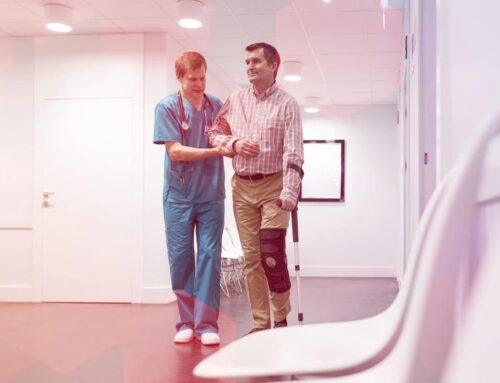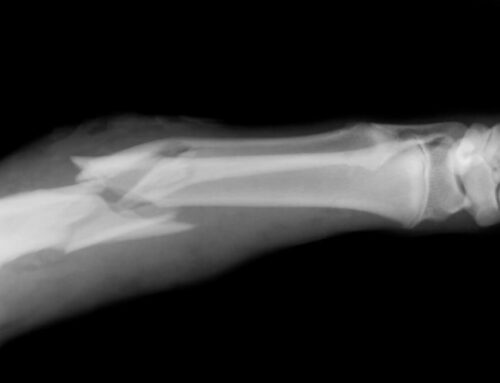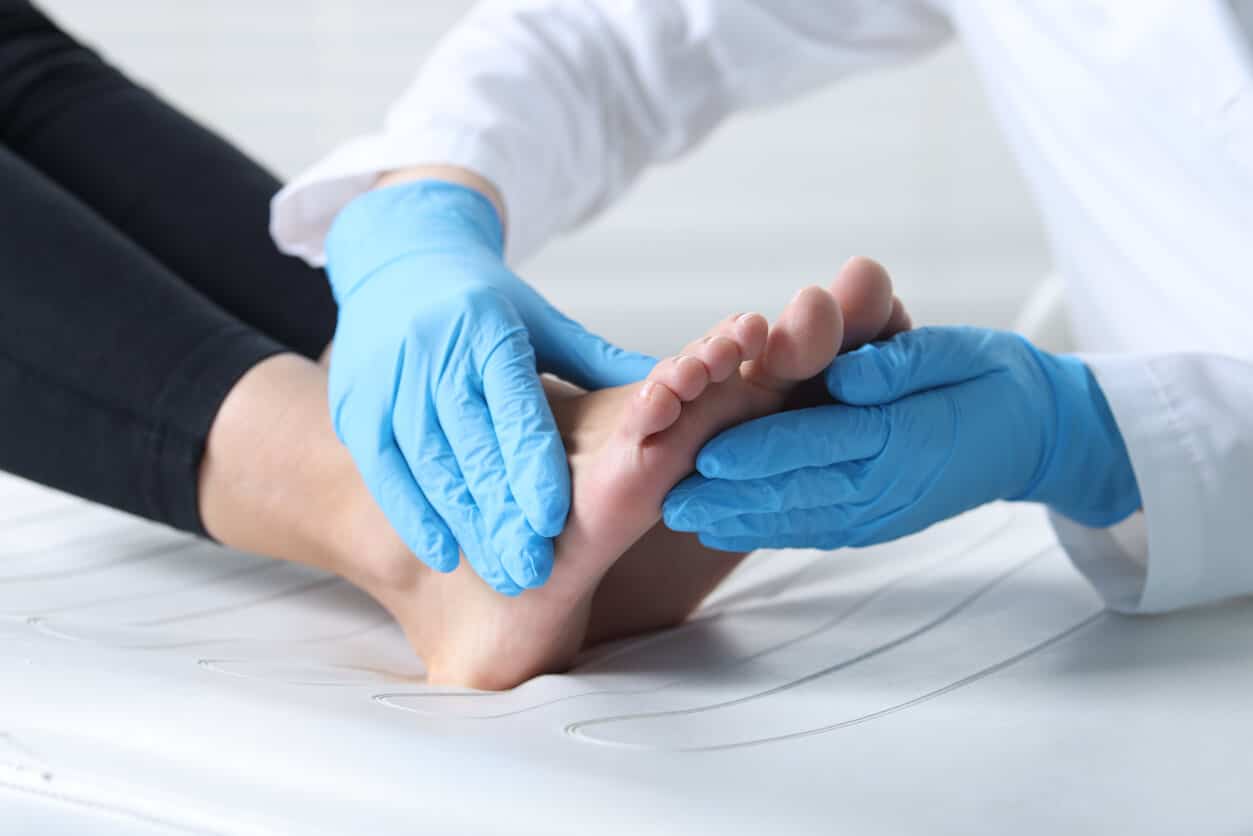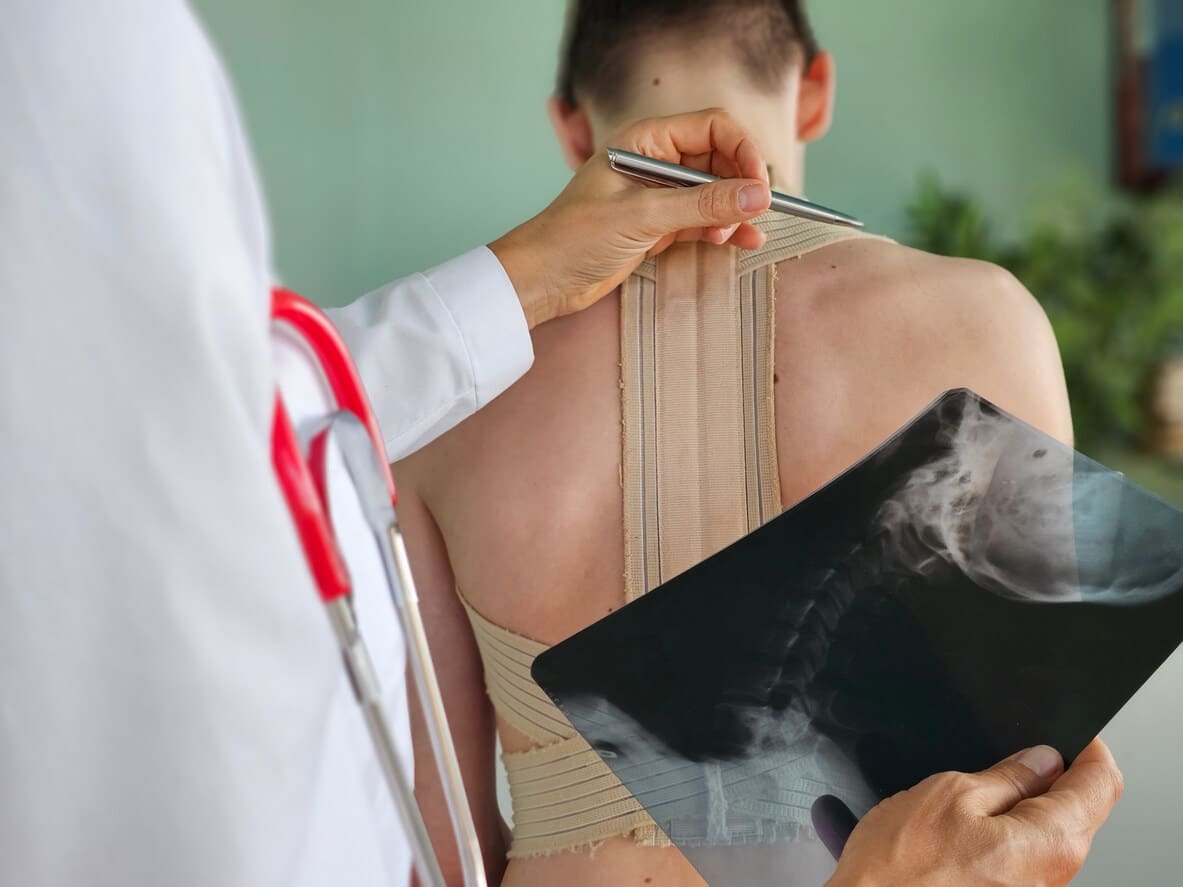
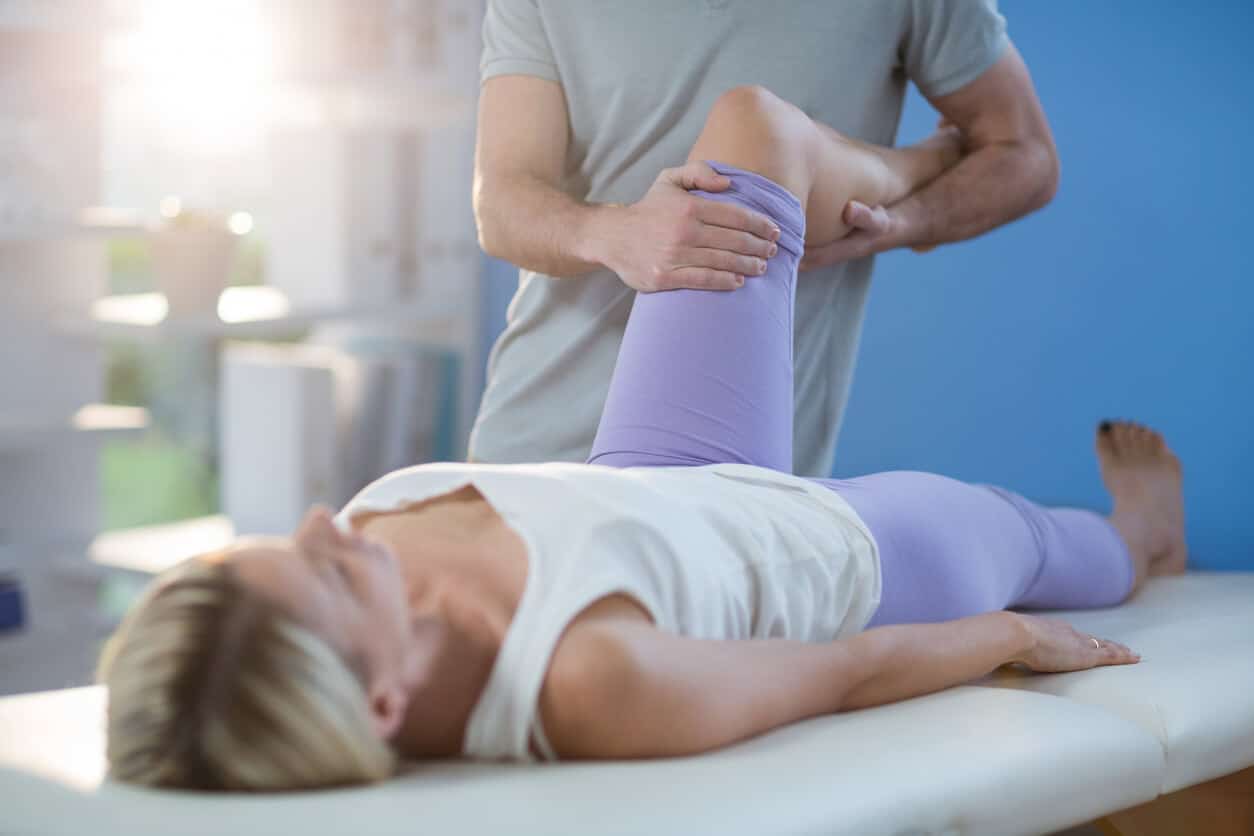
When you experience an acute bone, joint, or soft tissue injury, sports orthopedic urgent care provides immediate, specialist-level treatment tailored to your specific needs.
In short:
- Specialized, rapid care: Sports orthopedic urgent care provides immediate, expert evaluation for acute musculoskeletal injuries, helping you skip the long waits common in emergency rooms.
- Targeted diagnosis and treatment: With on-site orthopedic providers and diagnostic imaging, you receive an accurate diagnosis and a tailored treatment plan during your first visit.
- A streamlined path to recovery: Sports orthopedic urgent care coordinates follow-up care, from specialist appointments to physical therapy, for a smooth and efficient recovery.
What Is Sports Orthopedic Urgent Care?
Sports orthopedic urgent care is a specialized walk-in service dedicated to diagnosing and treating acute, non-life-threatening musculoskeletal injuries that require prompt attention.
Unlike a general urgent care clinic, which addresses a wide range of illnesses, these centers focus exclusively on the bones, joints, muscles, ligaments, and tendons — making them uniquely equipped to handle these types of injuries.
The need for this specialized care is significant. According to Johns Hopkins, almost one-third of all childhood injuries are sports-related, with sprains and strains being the most common.
That level of demand calls for a focused approach, which is reflected in three important ways:
- Focused expertise: Providers manage recent injuries to bones, joints, muscles, ligaments, and tendons.
- A specialized environment: The clinic is equipped and staffed solely for musculoskeletal health, with the right tools always on hand.
- A dedicated team: Orthopedic specialists, including physicians, physician assistants, and nurses, deliver your care.
The Orthopedic Advantage: Why It Beats the ER and General Urgent Care
Choosing sports orthopedic urgent care gives you direct access to the right expertise from the very first minute, which improves diagnosis, treatment, and recovery.
- Immediate specialist access: You see an orthopedic provider directly, without the referral delays that often follow a visit to a general practitioner.
- Advanced on-site diagnostics: These centers are equipped with digital X-ray technology, so you get imaging and a clear explanation on the spot.
- Targeted treatment: Orthopedic experts build a precise treatment plan, including splints, braces, and detailed care instructions during your first visit.
Faster Access to Specialized Care
- Reduced wait times: Sports orthopedic urgent care centers typically have far shorter waits than emergency rooms, which must prioritize life-threatening conditions first.
- Direct orthopedic evaluation: Specialists who focus on musculoskeletal injuries can accurately pinpoint the source of your pain and dysfunction.
- Timely intervention: Prompt treatment reduces swelling, manages pain, prevents an injury from worsening, and improves your overall outcome.
Cost-Effectiveness and Convenience
- Lower costs: A visit is typically billed as a specialty office visit, which often means lower co-pays and total costs than an emergency room visit for the same injury.
- A streamlined process: By combining evaluation, imaging, and treatment in one place, you avoid the ER and the extra step of a separate specialist referral.
- Accessible hours: Evening and weekend availability makes it easier to get care when unexpected injuries happen.
Common Injuries Treated at Sports Orthopaedic Urgent Care
According to the Cleveland Clinic, certain body parts tend to take more stress from sports and physical activity than others. Since movement relies heavily on your joints, it’s often these joints and the surrounding tissues that support them that are most vulnerable to injury.
Sports orthopaedic urgent care centers are equipped to diagnose and treat a wide range of these acute musculoskeletal injuries, including:
Acute Sprains and Strains
- Ligament injuries (sprains): Damage to the connective tissue that stabilizes joints, such as ankle sprains, knee MCL or LCL injuries, and wrist sprains.
- Muscle and tendon injuries (strains): Damage to muscles or tendons, including hamstring, quadriceps, and calf strains.
- Initial management: Immediate care often includes the RICE protocol (Rest, Ice, Compression, and Elevation), bracing, and pain management.
Fractures and Dislocations
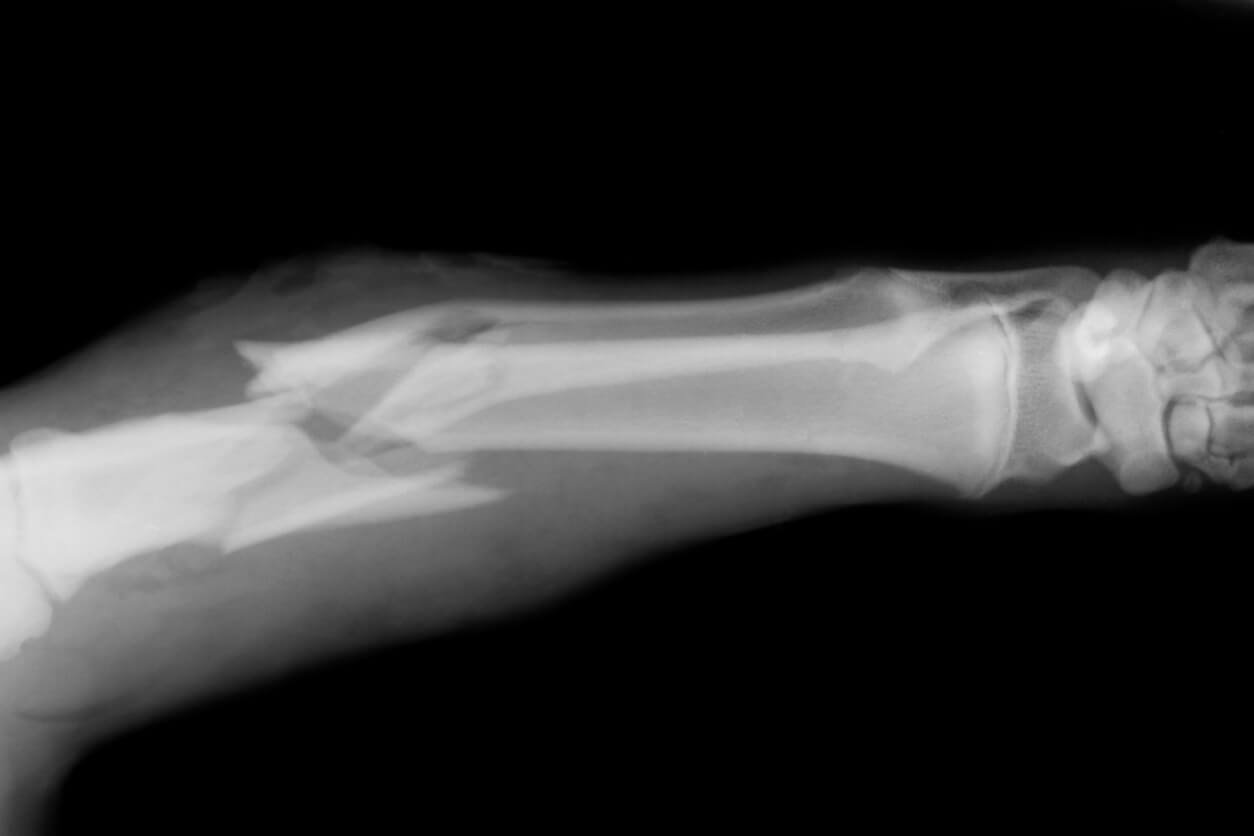
- Suspected fractures: Evaluation of possible broken bones in the extremities, including the wrist, hand, ankle, foot, and collarbone.
- Joint dislocations: Stabilization of a dislocated joint, such as a shoulder, with prompt referral for reduction when needed.
- Casting and splinting: On-site splints or casts provide the immobilization required for proper healing.
Other Acute Musculoskeletal Issues
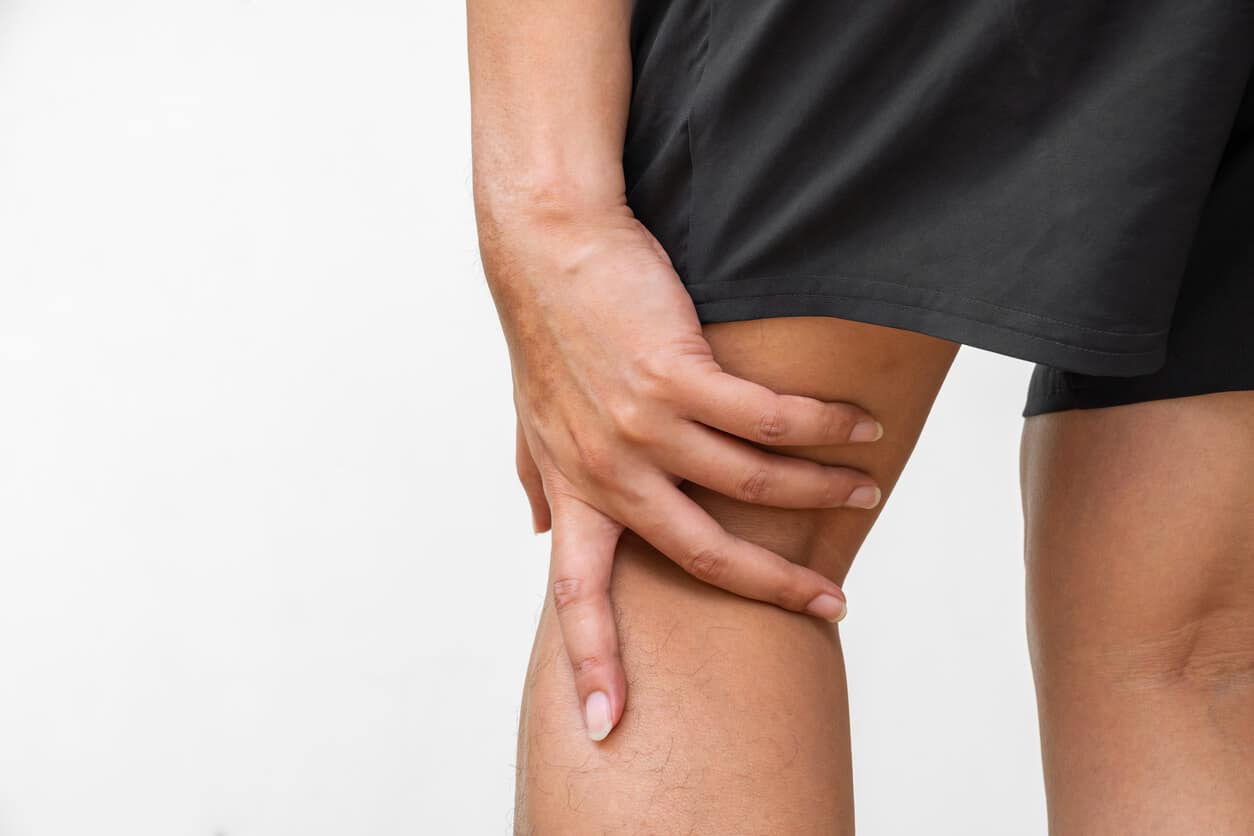
- Sudden joint pain: Acute pain, swelling, or stiffness in a joint such as the knee, shoulder, or hip.
- Acute back and neck pain: Evaluation of sudden, severe mechanical back or neck pain without red-flag symptoms like radiating nerve pain or loss of bowel or bladder control.
- Associated minor lacerations: Treatment of cuts or wounds that accompany a musculoskeletal injury and need cleaning and closure.
What to Expect During Your Visit
You can expect an efficient, supportive, and patient-focused experience from the moment you arrive.
Upon Arrival
- Efficient registration: A streamlined check-in gets you in front of a provider quickly.
- Initial assessment: The clinical team takes your injury history and performs a preliminary evaluation.
- A comfortable environment: You are cared for in a calm, professional setting that feels more personal than a busy emergency room.
Diagnosis and Treatment
- On-site imaging: X-rays are readily available, often just steps from your exam room.
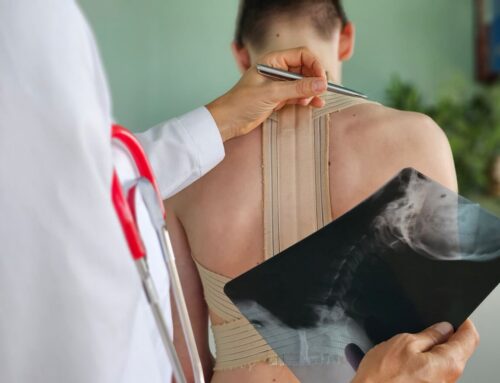
- Orthopedic provider evaluation: A specialist reviews your imaging, examines your range of motion, joint stability, strength, and areas of tenderness, and explains the findings clearly.
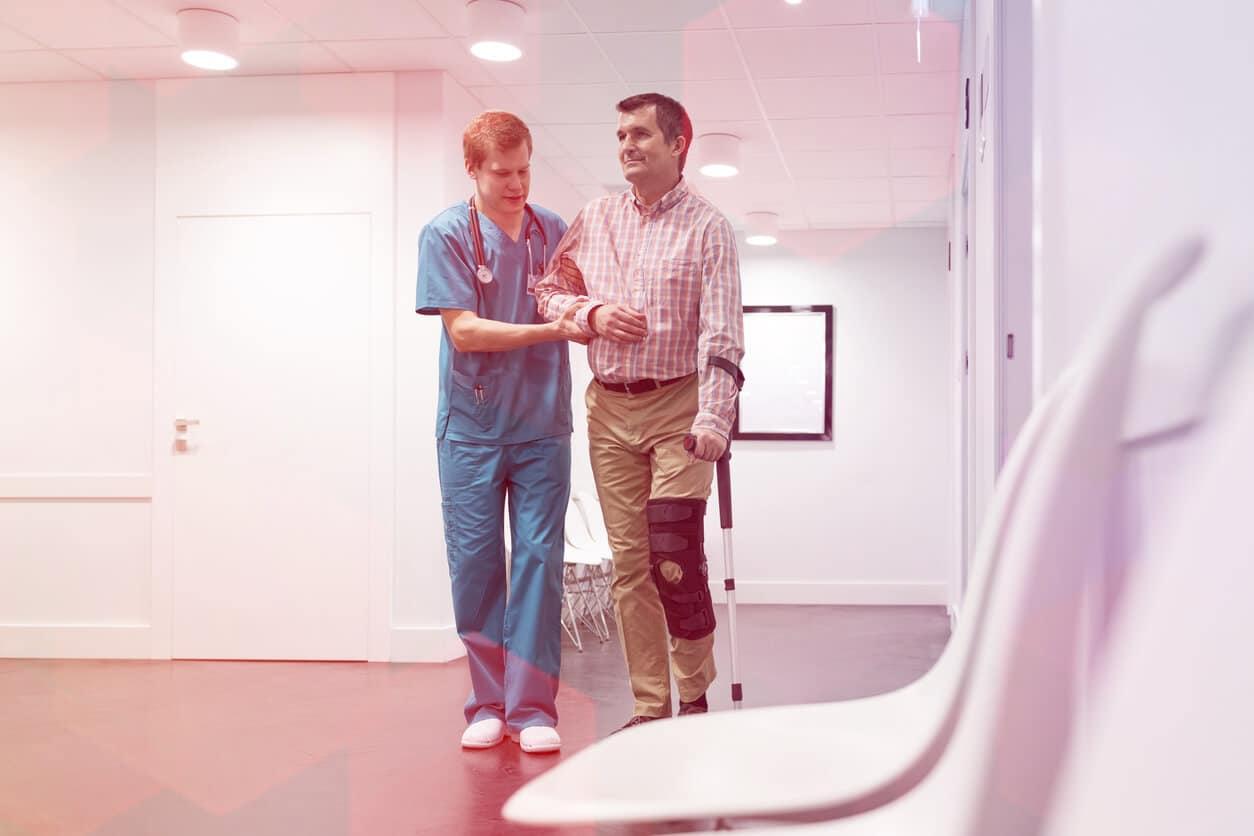
- Immediate interventions: Treatment begins right away and may include splinting, casting, crutches, or medication to control pain and inflammation.
A Patient-Centered Approach
- Clear communication: Your team makes sure you understand your diagnosis, treatment plan, and recovery expectations.
- Empathetic support: Providers offer compassionate care that addresses your pain, anxiety, and questions.
- Collaborative decision-making: You partner with your team to shape a treatment plan aligned with your needs and recovery goals.
Integrated Care and Your Path to Recovery
Your visit is the first step in a coordinated care pathway designed to support you through full recovery.
Seamless Follow-Up Care
- Coordinated appointments: Staff schedules your follow-up visits with orthopedic specialists for either surgical or non-operative management.
- Referrals to rehabilitation: Direct referrals for physical or occupational therapy keep your rehabilitation on track.
- Continuity of care: Details from your initial visit integrate into your patient record, giving every provider a complete picture of your health.
Education and Prevention
- Home care guidance: You receive detailed instructions on managing your injury at home, including pain control, activity modification, and cast or splint care.
- Injury prevention strategies: Your team offers guidance on exercises, body mechanics, and safe strategies for returning to activity while reducing your risk of future injury.
- Resources for long-term health: You leave with the knowledge and resources to maintain your musculoskeletal health well beyond recovery.
When to Choose Sports Orthopaedic Urgent Care
Knowing where to go ensures you receive appropriate, timely care.
Choose Sports Orthopaedic Urgent Care For:
- Sudden onset: Pain, swelling, or bruising immediately following an accident, fall, or sports incident.
- Functional impairment: Difficulty bearing weight, moving a joint, or performing daily activities.
- Visible changes: Obvious deformity, instability, or a “pop” felt at the moment of injury.
Go to the Emergency Room For:
- Life- or limb-threatening conditions: Severe, uncontrolled bleeding, head trauma, loss of consciousness, chest pain, or difficulty breathing.
- Open fractures: A bone that has broken through the skin, which requires immediate hospital care to prevent infection.
- Multiple traumatic injuries: Injuries from major accidents, such as a high-speed car crash, involving several body systems.
- Signs of stroke or heart attack: Sudden numbness, weakness, confusion, trouble speaking, chest pressure, or pain spreading to the shoulder, arm, or jaw.
- Loss of bowel or bladder control: A sign of a potentially serious spinal cord injury.
For any of these emergencies, call 911 or go to the nearest hospital emergency room.
Frequently Asked Questions (FAQ)
Here are answers to some common questions about our Sports Orthopaedic Urgent Care services.
Do I need an appointment for Sports Orthopaedic Urgent Care?
No appointment is needed. Our Orthopaedic Urgent Care clinics welcome walk-in visits during operating hours.
What types of treatments are offered?
Treatments may include diagnostic imaging, such as X-rays or MRIs, splinting or bracing for fractures or sprains, pain management, and follow-up care planning, including recommendations for physical therapy if needed.
Who provides care at Sports Orthopaedic Urgent Care?
You will be treated by healthcare professionals specializing in orthopedic injuries, including sports medicine physicians, orthopedic surgeons, and trained support staff, ensuring you receive targeted care for your injury.
What should I bring with me?
It is helpful to bring a form of identification, insurance information, and any relevant medical history or previous imaging studies if available. This can streamline your care and ensure more accurate treatment.
Visit Our Sports Orthopedic Urgent Care in Holly Springs, NC
Acute injuries rarely happen at a convenient time, and the care you choose shapes your recovery. At Cary Orthopaedics, our sports orthopedic urgent care gives you specialist-level expertise, on-site imaging, and a personalized treatment plan — all in one efficient visit designed to get you moving comfortably again.
For acute sports injuries near Holly Springs, NC, turn to Cary Orthopaedics’ Orthopaedic Urgent Care for specialist-level treatment tailored to your needs. Call us at (919) 573-4825 or simply walk in to be seen by our orthopaedic team today.