
In short,
- Minimally invasive spine surgery (MISS) uses smaller incisions and specialized tools to treat spinal conditions with less tissue disruption and faster recovery.
- Knowing what to expect before, during, and after your procedure helps you prepare and feel confident.
- If you’re searching for minimally invasive spine surgery near me, understanding the process ensures a smoother recovery and peace of mind.
Understanding Minimally Invasive Spine Surgery
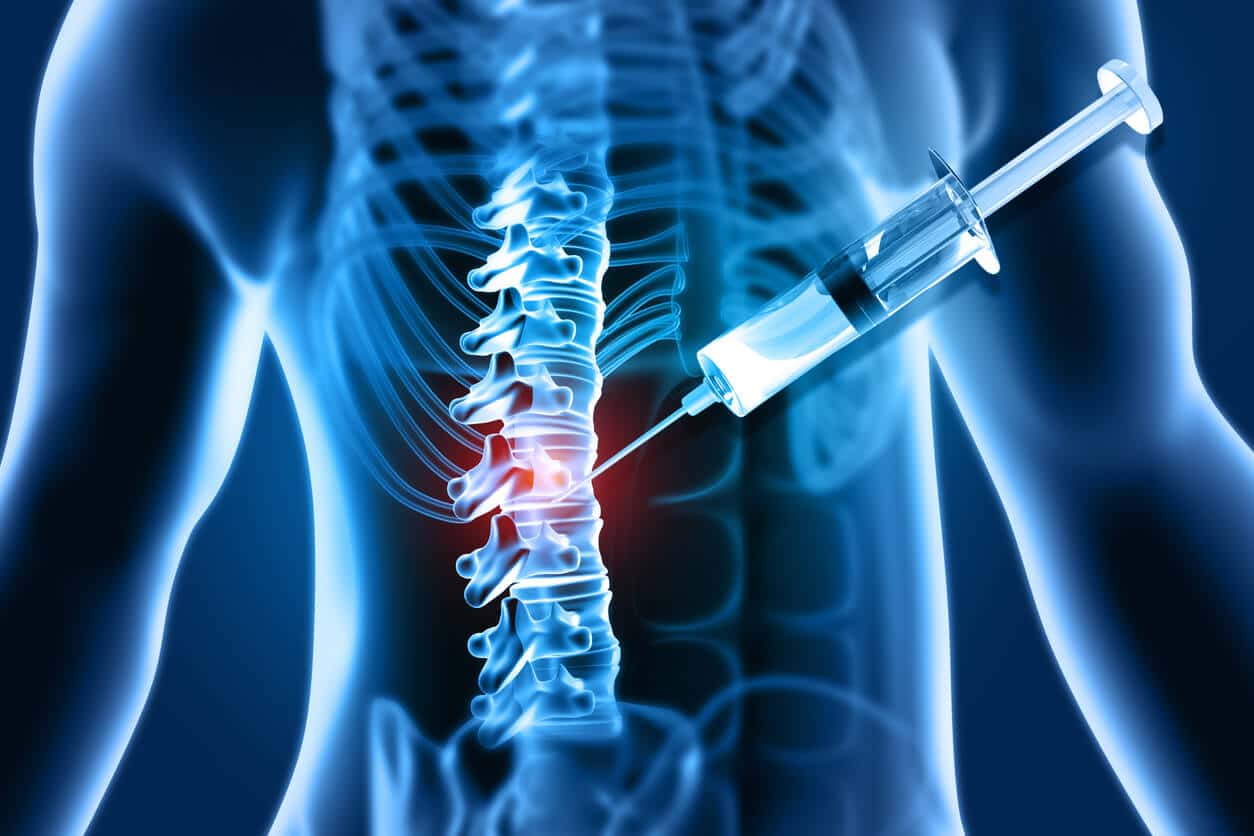
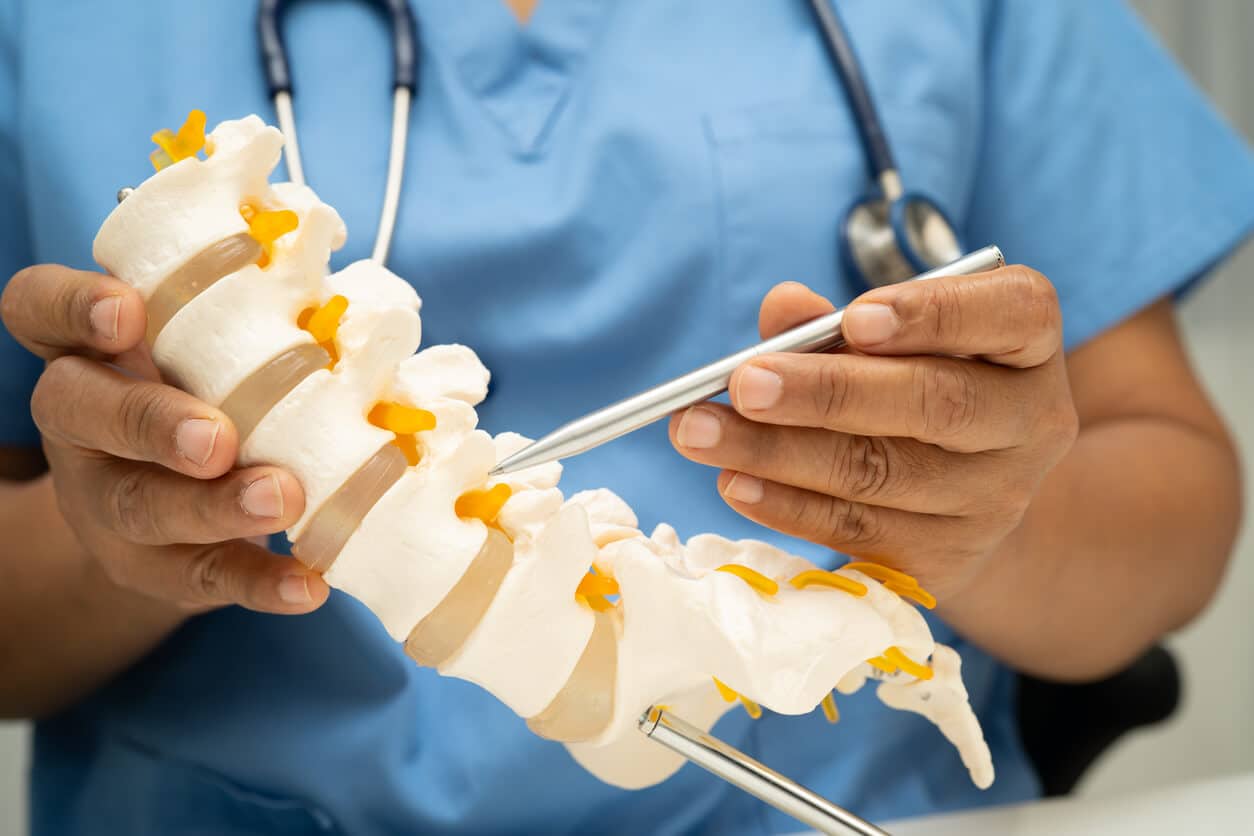
Minimally invasive spine surgery is an advanced surgical approach designed to address spinal conditions such as herniated discs, spinal stenosis, degenerative disc disease, or vertebral instability.
Unlike traditional open surgery, MISS uses smaller incisions and specialized instruments to access the spine. This technique preserves muscles, reduces blood loss, and minimizes postoperative pain while maintaining surgical precision.
The American Academy of Orthopaedic Surgeons (AAOS) reports that minimally invasive procedures often lead to shorter hospital stays and faster functional recovery compared to traditional spine surgery.
Before Surgery: Preparing for Your Procedure
Proper preparation plays a key role in achieving successful surgical outcomes.
1. Consultation and Evaluation
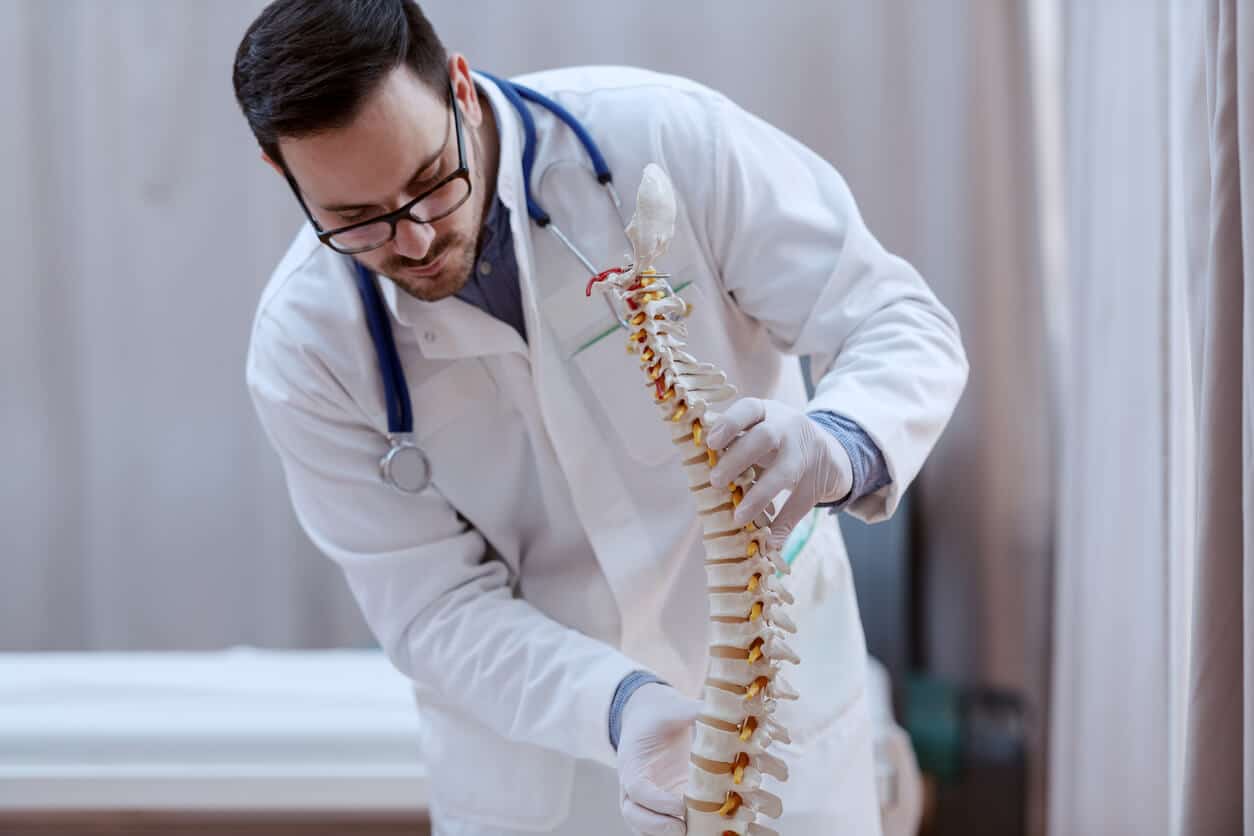
Your spine surgeon will conduct a thorough evaluation, including medical history review, physical examination, and imaging studies such as MRI or CT scans. These tests identify the exact source of your pain and determine if you’re a candidate for MISS.
2. Preoperative Instructions
- Review all medications with your surgeon. You may need to stop certain blood thinners or anti-inflammatory drugs before surgery.
- Refrain from eating or drinking after midnight the night before your procedure.
- Arrange transportation to and from the surgery center or hospital.
- Follow any additional instructions provided by your surgical team.
3. Pre-Surgical Preparation
Your care team will explain the procedure, anesthesia, and recovery expectations in detail. This discussion is your opportunity to ask questions and share any concerns. Patients who understand their care plan often experience less anxiety and a smoother recovery.
During Surgery: What Happens in the Operating Room
Minimally invasive spine surgery is typically performed under general anesthesia.
Step 1: Anesthesia and Positioning
You’ll receive anesthesia to ensure comfort throughout the procedure. The surgical team carefully positions your body to provide optimal access to the spine while protecting nearby structures.
Step 2: Small Incision and Access
A small incision—usually less than one inch—is made over the affected area. Through this incision, a tubular retractor creates a pathway to the spine without cutting through surrounding muscles.
Step 3: Visualization and Repair
A surgical microscope or endoscope provides a magnified view of the spinal structures. Using specialized instruments, the surgeon removes or repairs the damaged tissue, such as herniated disc material or bone spurs, compressing the nerves.
Step 4: Closure
Once the repair is complete, the retractor is removed, and the incision is closed with sutures or adhesive strips. Most procedures take one to three hours, depending on complexity.
After Surgery: Recovery and Rehabilitation
Recovery from minimally invasive spine surgery is typically faster and less painful than recovery from open procedures, but it still requires time and care.
Immediate Postoperative Phase
After surgery, you’ll spend time in a recovery area where your vital signs and comfort level are monitored. Most patients are encouraged to walk within a few hours of surgery to promote circulation and reduce stiffness.
Pain Management
Mild discomfort at the incision site or muscle soreness near the spine is normal. Your doctor may prescribe pain medication or recommend over-the-counter options. Applying ice and changing positions frequently can also help manage discomfort.
Returning Home
Most MISS procedures are performed on an outpatient basis, allowing you to return home the same day. Before discharge, your care team will provide detailed instructions about wound care, medications, and activity restrictions.
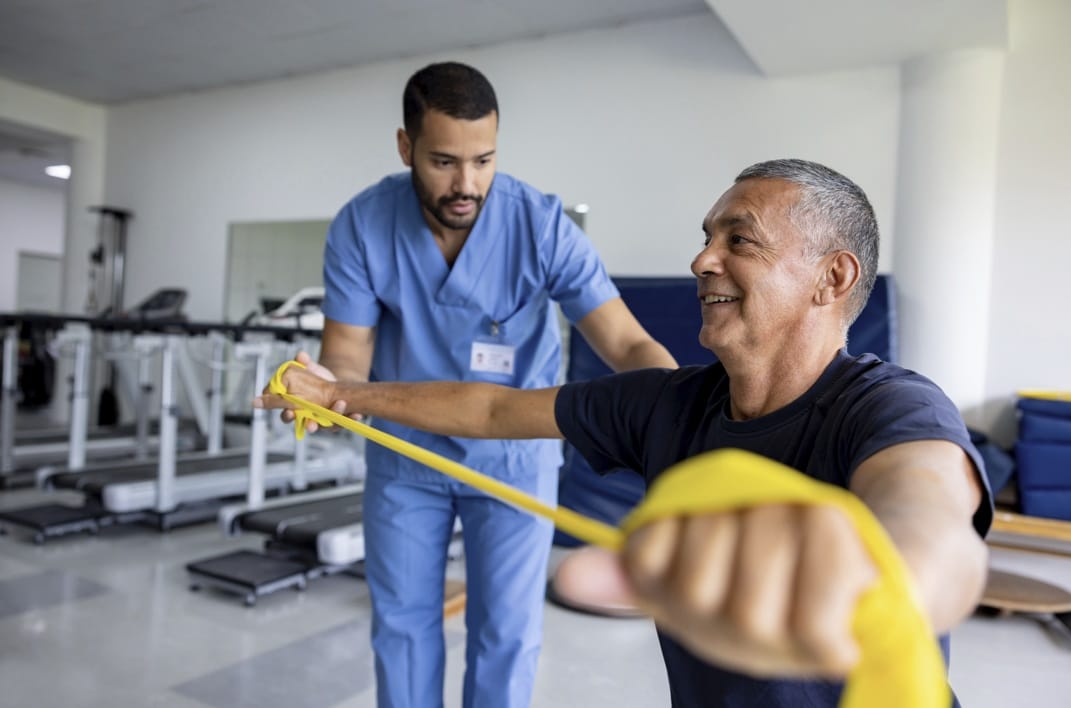
Rehabilitation and Physical Therapy
A customized physical therapy program begins soon after surgery. Rehabilitation focuses on:
- Gradually increasing flexibility and strength.
- Improving posture and spinal stability.
- Preventing future injuries through safe movement techniques.
Following your therapist’s recommendations supports faster healing and long-term spinal health.
Follow-Up Appointments
Your surgeon will schedule follow-up visits to assess healing and monitor your progress. These appointments ensure that your spine is recovering properly and that you can safely resume normal activities.
Expected Recovery Timeline
Recovery times vary based on the specific condition treated and your overall health. In general:
- First Week: Most patients experience noticeable pain reduction and can resume light activities.
- Two to Four Weeks: Gradual return to work and daily routines, depending on activity level.
- Six to Twelve Weeks: Ongoing strengthening and conditioning with physical therapy.
Your surgeon will provide a timeline tailored to your individual needs and goals.
Benefits of Minimally Invasive Spine Surgery
- Smaller incisions and minimal muscle disruption.
- Reduced postoperative pain and faster recovery.
- Shorter hospital stay and lower infection risk.
- Less scarring and tissue trauma.
- Earlier return to daily activities.
MISS combines precision and innovation to provide patients with highly effective solutions for back and neck pain.
Caring for Yourself After Surgery
Your commitment to recovery is as important as the surgery itself. To optimize healing:
- Follow postoperative instructions closely.
- Avoid bending, twisting, or lifting heavy objects until cleared by your doctor.
- Maintain good posture when sitting and standing.
- Eat a balanced diet rich in protein and nutrients to support tissue repair.
- Keep your incision clean and dry to prevent infection.
Contact your provider immediately if you experience increased pain, fever, drainage from the incision, or numbness in the legs. Early communication allows your care team to address issues promptly.
Minimally Invasive Spinal Surgery in Cary, NC
If you’re exploring minimally invasive spine surgery near me, our experienced team at Cary Orthopaedics provides comprehensive spine care from diagnosis through recovery. We use advanced surgical technology and personalized rehabilitation programs to help patients restore mobility, relieve pain, and return to active living.
Call (919) 467-4992 to schedule a consultation and learn more about how minimally invasive spine surgery can improve your quality of life.