Maintaining a well-stocked sideline medical bag empowers parents and coaches to respond quickly and effectively to youth athletic injuries.
- Essential Sideline Medical Supplies: A complete medical kit provides immediate wound care, joint compression, and swelling control during practices and competitive games.
- Prompt Field Injury Evaluation: Recognizing acute sprains, soft tissue trauma, and bone fractures on the sideline prevents secondary physical damage to young athletes.
- Specialized Orthopedic Urgent Evaluation: Choosing specialized clinical care over general emergency rooms ensures rapid access to diagnostic digital X-ray imaging and expert treatment plans.
Accessing dedicated sports orthopedic urgent care provides young athletes with rapid evaluation and expert treatment when sudden injuries occur on the field. Whether managing a youth soccer match or leading a high school football practice, sideline preparation is essential for player safety. Having a structured first-aid kit allows coaches and parents to respond calmly to unexpected medical events.
Sideline injuries range from minor scrapes and skin abrasions to severe joint sprains, ligament tears, and bone fractures. Prompt response during the first few minutes after an injury can significantly reduce pain, swelling, and recovery time. A properly managed sideline kit serves as the first line of defense before professional medical evaluation.
Understanding what to keep in your medical bag ensures you are never caught unprepared during a critical moment. This comprehensive guide covers essential supplies, field evaluation techniques, and proper referral protocols.
Why Is Sideline Preparedness Critical for Youth Athletes?
Youth athletic participation continues to grow, bringing an increased risk of acute physical injuries during practice and competition. Proper preparation on the sidelines bridges the gap between initial trauma and professional medical treatment.
Understanding Common Youth Sports Injuries
Young athletes are uniquely vulnerable to physical injury because their growth plates and skeletal systems are still developing. Soft tissue injuries such as ligament sprains, muscle strains, and joint contusions occur frequently across all youth sports. A study published in PMC reveals that adolescent athletes experience an average injury rate of 2.64 per 1,000 hours of participation, with soccer and contact sports demonstrating the highest overall rates. High physical demands, rapid changes in direction, and player collisions contribute to these high rates of lower limb trauma.
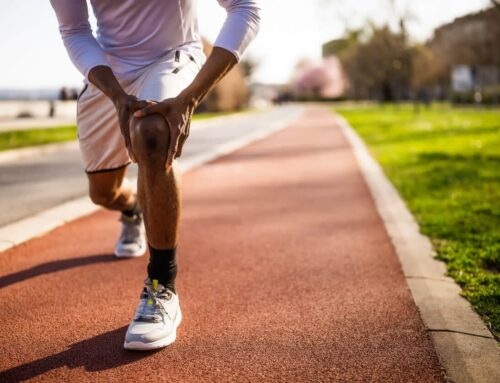
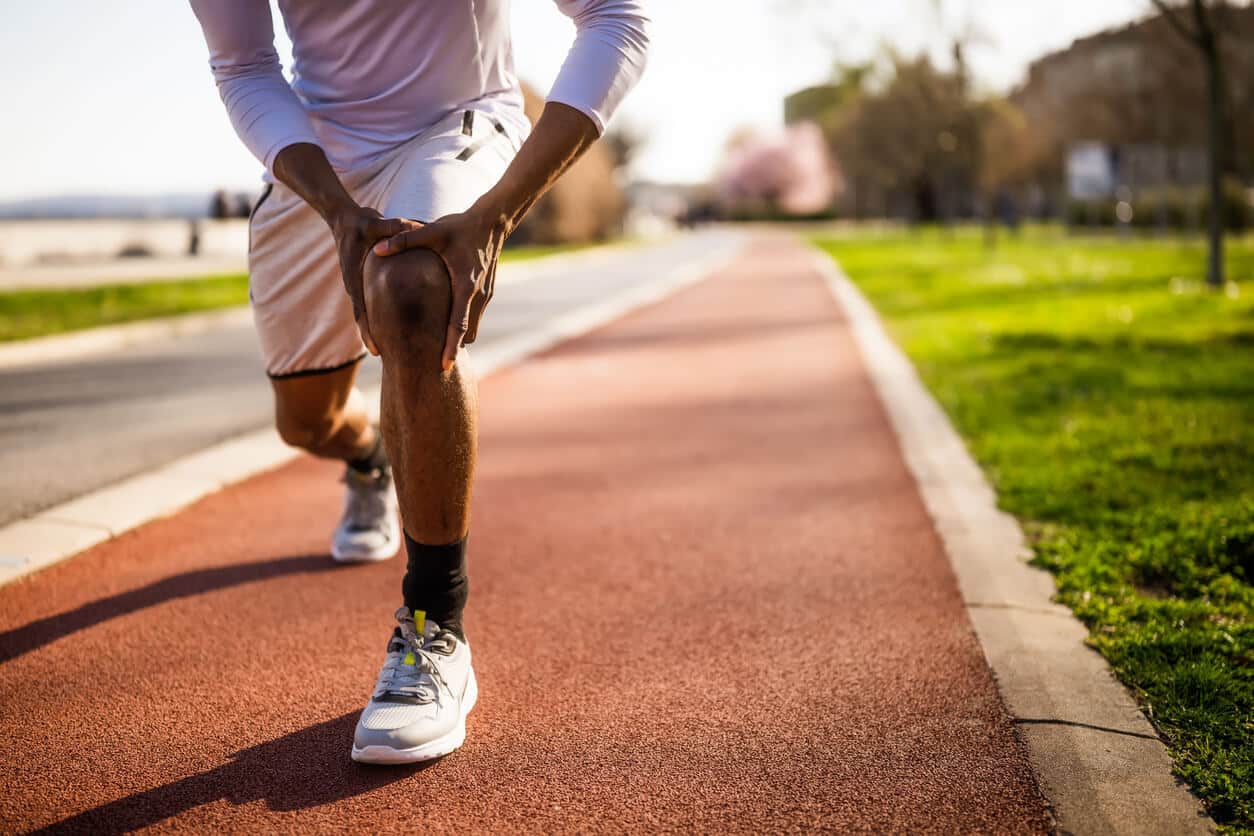
When an acute injury occurs on the field, immediate attention helps prevent further structural damage. Utilizing sports orthopedic urgent care services ensures that complex joint or bone injuries receive comprehensive diagnostic evaluation. Parents and coaches must understand common injury patterns to assemble an effective sideline response kit.
The Growing Need for Immediate Care
Delaying treatment for acute musculoskeletal injuries can lead to prolonged discomfort and extended recovery periods. A study published in The American Journal of Sports Medicine found that soft tissue strains and sprains account for 28.4% of pediatric emergency and urgent care visits resulting from organized sports. Having immediate access to clean dressings, compression wraps, and ice packs helps stabilize the injury site right away.
Proper sideline care allows caregivers to differentiate between minor athletic bumps and conditions that require prompt medical intervention. Early intervention minimizes tissue swelling and protects the joint against secondary injury. Consequently, every team should designate a trained individual to manage the first-aid kit during every athletic session.
What Should You Include in a Youth Sports First-Aid Kit?
A well-organized sideline first-aid kit must be durable, weather-resistant, and easily accessible during fast-moving athletic events. Grouping items into organized compartments saves critical time during emergency situations.
Essential Medical Supplies for Wound Care
Abrasions, cuts, and skin lacerations are frequent occurrences on grass fields, synthetic turf, and hard courts. Maintaining sterile cleaning supplies and protective dressings prevents infection and manages minor bleeding effectively.
- Sterile Gauze Pads: Cover open wounds and control minor bleeding with sterile four-by-four inch cotton pads.
- Antiseptic Cleansing Wipes: Clean dirty scrapes and skin abrasions safely without causing excessive burning or skin irritation.
- Adhesive Fabric Bandages: Protect small cuts and blisters using multi-sized flexible fabric bandages that stay attached during physical exertion.
- Medical Grade Tape: Secure gauze dressings and protective padding firmly to the skin without causing tissue irritation.
- Nitrile Examination Gloves: Prevent cross-contamination and maintain sterile conditions when treating open athletic wounds.
Joint and Bone Stabilization Tools
Musculoskeletal injuries often require immediate temporary immobilization to limit movement and ease intense localized pain. Sideline caretakers must carry specialized splinting and wrapping materials to stabilize injured extremities safely.
- Elastic Compression Bandages: Support injured joints and limit soft tissue swelling by applying firm, even compression.
- Flexible Splinting Rolls: Form supportive molds around fractured fingers, wrists, or ankles to prevent movement during transport.
- Triangular Medical Bandages: Create comfortable arm slings to support severe shoulder, collarbone, or elbow injuries on the field.
- Instant Cold Packs: Reduce acute tissue inflammation and blunt sharp pain immediately following blunt impact or joint twists.
Medication and Pain Relief Basics
Over-the-counter medications provide temporary relief for minor headaches, muscle aches, and skin reactions during athletic events. Always consult parent medical consent forms before administering any medication to minor athletes.
- Oral Pain Relievers: Manage mild discomfort using over-the-counter ibuprofen or acetaminophen according to package instructions.
- Hydrocortisone Skin Cream: Soothe minor insect bites, rashes, and localized skin irritation using hydrocortisone cream.
- Petroleum Jelly Ointment: Prevent painful skin chafing and soothe minor abrasions with a protective layer of petroleum jelly.
- Saline Eye Wash: Flush dust, dirt, and loose turf rubber particles safely out of an athlete’s eyes.
How Do You Assess Acute Injuries on the Field?
Recognizing the severity of a sports injury requires a calm, systematic evaluation process. Coaches and parents should never rush an injured player off the field before conducting a preliminary safety assessment.
Implementing the RICE Method
The RICE protocol – representing Rest, Ice, Compression, and Elevation – remains the gold standard for immediate management of acute soft tissue trauma. Immediate rest stops further damage to strained muscle fibers or stretched ligaments. Cold therapy reduces blood flow to the affected area, which controls swelling and numbs sharp pain.
Compression wraps provide structural stability while forcing excess fluid away from the injured joint tissue. Elevating the injured limb above heart level further assists lymphatic drainage and limits swelling. Applying this protocol immediately after an injury prepares the athlete for subsequent sports orthopedic urgent care evaluation.
Recognizing Concussions and Head Trauma
Head impacts require immediate removal from play and careful, continuous monitoring. Symptoms of a concussion include dizziness, confusion, nausea, blurred vision, sensitivity to light, and persistent headaches.
Never allow an athlete with a suspected head injury to return to competition on the same day. If loss of consciousness, repeated vomiting, or worsening confusion occurs, contact emergency medical services immediately. Proper sideline management prioritizes neurological safety above all athletic considerations.
Identifying Severe Sprains and Bone Fractures
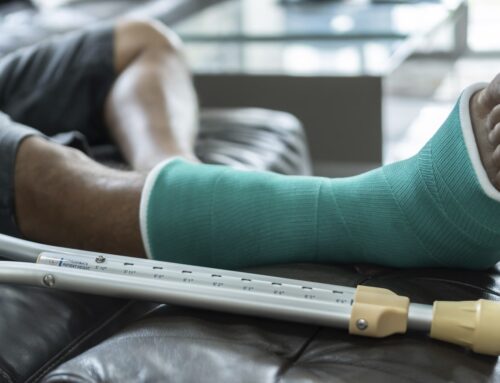
Differentiating between a mild strain and a structural bone fracture is critical for on-field decision-making. Deformity, severe swelling, rapid bruising, and an inability to bear weight indicate a potential fracture or complete ligament rupture.
In these situations, stabilize the limb using a splint or padding and refrain from forcing movement. Visiting a dedicated sports orthopedic urgent care clinic ensures rapid access to diagnostic X-ray imaging and specialized casting. Immediate professional evaluation protects long-term joint health and prevents improper bone healing.
Frequently Asked Questions About Youth Sports First-Aid
Parents and coaches frequently encounter complex medical choices on the sidelines during competitive sports seasons. Clear answers to common first-aid questions help adult leaders make informed, safe decisions for young competitors.
What Is the Difference Between Acute and Chronic Injuries?
An acute injury occurs suddenly during activity, resulting from a specific traumatic event like a fall, collision, or awkward twist. Examples include ankle sprains, bone fractures, and muscle tears that produce instant pain and swelling.
In contrast, a chronic injury develops gradually over time due to repetitive physical stress and overuse. Conditions such as patellar tendinitis, shin splints, and stress fractures stem from inadequate rest between athletic sessions. While acute injuries require immediate first aid, chronic conditions benefit from biomechanical analysis and specialized physical therapy.
When Should an Athlete Skip Emergency Rooms for Specialized Care?
Emergency rooms are designed to handle life-threatening medical emergencies, which often leads to long wait times for non-emergent musculoskeletal trauma. Choosing a specialized sports orthopedic urgent care facility allows injured athletes to receive focused care directly from bone and joint specialists.
These specialized clinics feature on-site digital X-ray technology, advanced splinting, and direct access to orthopedic surgeons. Young athletes receive tailored treatment without exposure to general hospital emergency room delays. For non-life-threatening sprains, strains, and suspected fractures, specialized urgent clinics provide superior efficiency and focused expertise.
When to Visit Sports Orthopedic Urgent Care in Holly Springs, NC
When a youth sports injury occurs, having access to immediate, specialized orthopedic evaluation makes all the difference in an athlete’s recovery. Proper diagnosis and prompt treatment prevent long-term joint damage and help young athletes return to the sports they love safely.
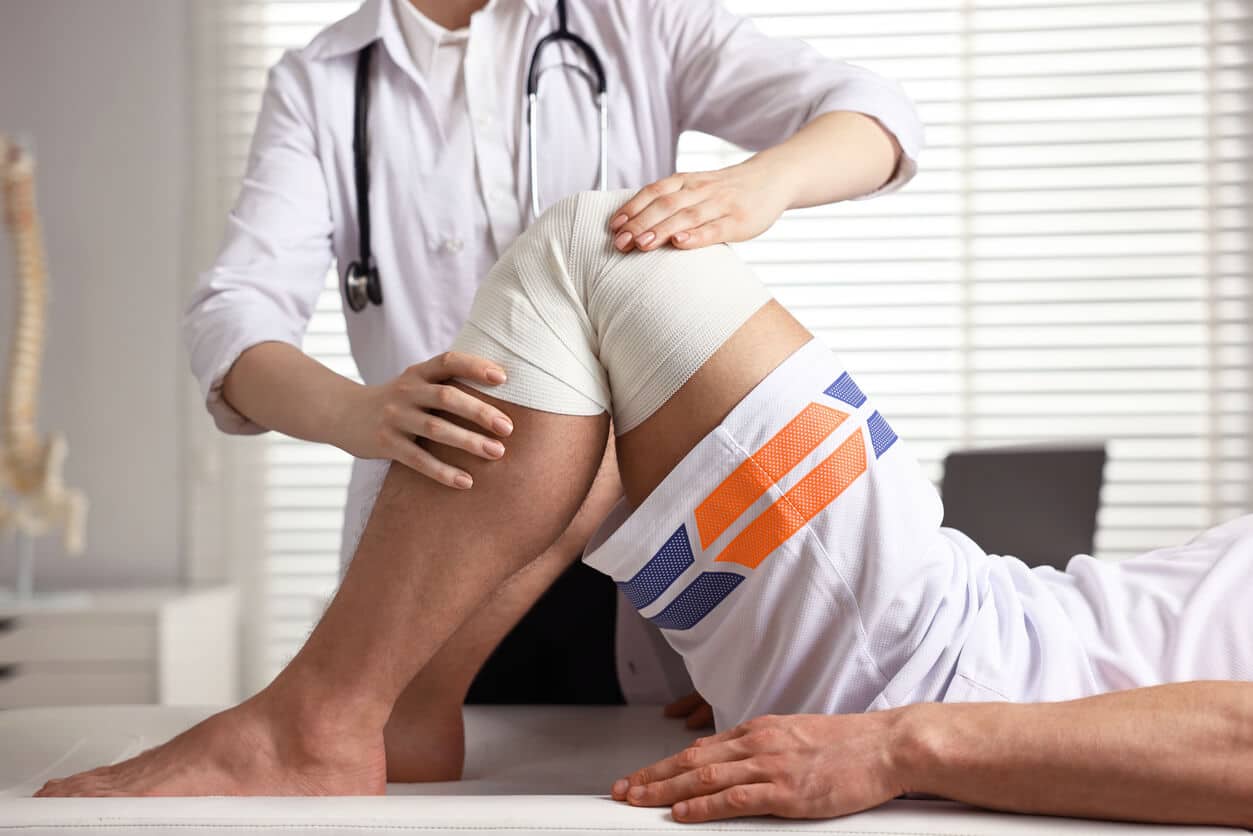
At Cary Orthopaedics, our dedicated medical team provides comprehensive sports orthopedic urgent care for athletes across Cary, Raleigh, and the surrounding Triangle region. We offer rapid on-site digital X-ray diagnostics, expert joint stabilization, and specialized treatment plans tailored to pediatric and adolescent athletes. Our team of experienced orthopaedic specialists handles acute sprains, ligament injuries, painful contusions, and non-displaced bone fractures with compassionate, patient-centered care.
Do not let a sideline injury disrupt your child’s athletic journey or force you into a stressful emergency room visit. If your young athlete experiences an acute injury on the field, trust our experienced medical team for immediate evaluation and expert guidance. Visit Cary Orthopaedics Urgent Care today or contact our clinic team at (919) 346-8655 to access specialized sports orthopedic urgent care in Holly Springs, NC.