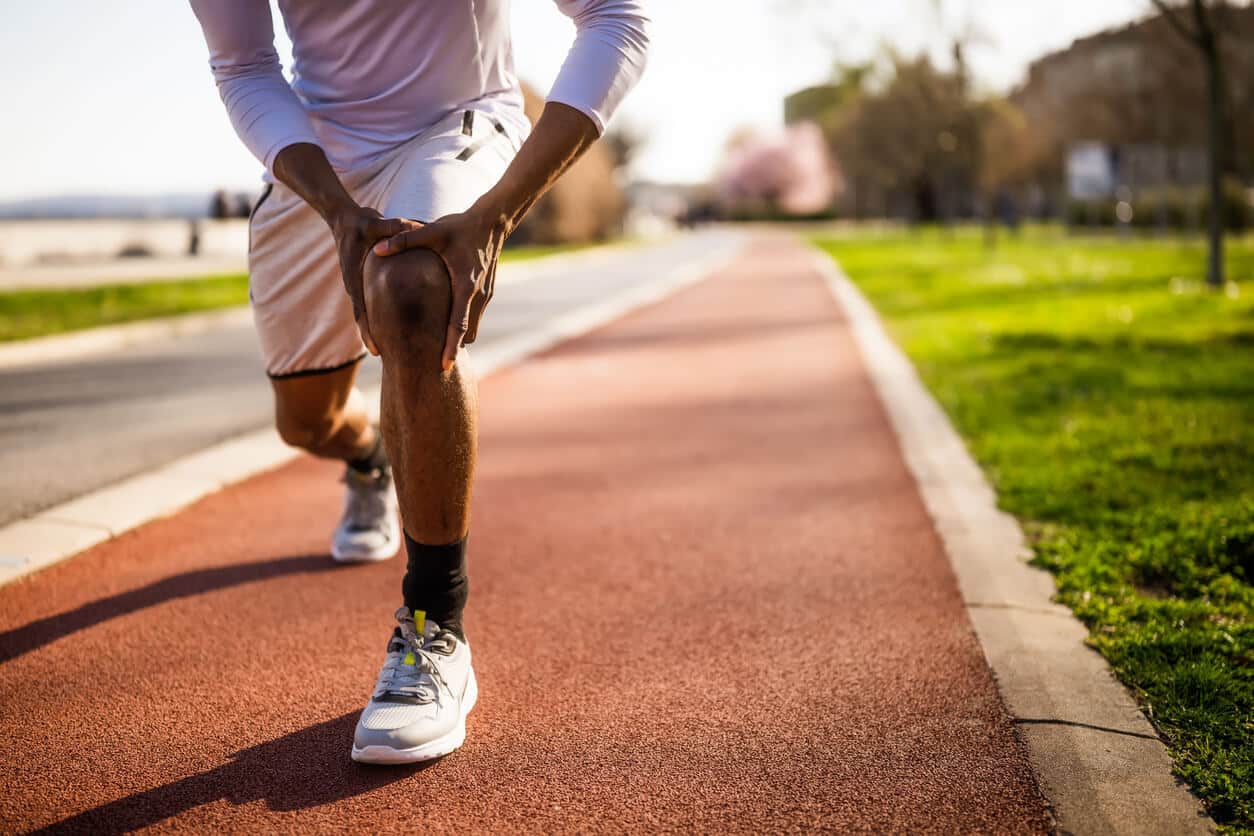

Non-surgical sports medicine offers effective, minimally invasive treatments like targeted injections and physical rehabilitation to heal injuries, relieve pain, and restore mobility without the need for surgery.
In short,
- Non-surgical treatments help heal sports injuries without invasive surgery.
- Advanced injections target inflammation directly to relieve your joint pain.
- Customized rehabilitation programs restore your strength, mobility, and function safely.
Sports medicine doctors near you specialize in advanced, non-surgical treatments that heal musculoskeletal injuries, relieve pain, and help you stay active. By working collaboratively, your healthcare team will thoroughly assess your symptoms and create a personalized treatment plan tailored to your goals and lifestyle.
Introduction to Non-Surgical Injury Care
Advanced, non-surgical treatments offer a safe and effective way to recover from debilitating joint pain and sports-related injuries without the risks and downtime of invasive surgery.
These modern therapies focus on relieving your pain, reducing inflammation, and restoring your natural mobility. By utilizing targeted treatments, you can rebuild your strength and return to your favorite activities quickly and safely.
What is Non-Surgical Injury Care?
Non-surgical injury care is a comprehensive medical approach focused on diagnosing, managing, and treating a wide range of musculoskeletal conditions and athletic injuries without invasive surgery.
This specialized care addresses damage to your muscles, ligaments, tendons, and joints, helping you find relief from both sudden sports injuries and chronic wear-and-tear. By avoiding the operating room, you can focus on a safer, more natural path to recovery.
Your plan may include:
- Targeted injections to quickly reduce pain
- Customized physical therapy to rebuild strength
- Therapies that support your body’s natural healing
Together, these treatments work to restore your mobility and improve joint functio without the lengthy downtime, scarring, or risks of major surgery.
Who Needs Non-Surgical Injury Care?
Non-surgical injury care is designed for active individuals, athletes, and anyone who wants to return to their daily routines without the need for invasive surgery. This conservative approach is highly effective for patients who are:
- Experiencing acute injuries such as sprains, strains, tendonitis, or mild-to-moderate ligament tears
- Managing chronic joint pain caused by osteoarthritis
How Non-Surgical Treatments Work
Non-surgical treatments target pain and inflammation directly at the source. This approach supports your body’s natural recovery process to help repair damaged tissues like tendons and ligaments.
How Your Joints and Tissues Heal
By actively reducing localized swelling and improving blood circulation, these targeted therapies deliver essential oxygen and nutrients directly to the damaged area. This process helps clear away inflammatory waste and creates an optimal environment for your body’s natural healing mechanisms to thrive.
As the tissues begin to repair, you will notice a gradual reduction in stiffness and pain. This supportive approach helps safely restore your joint function, flexibility, and overall mobility so you can return to your daily routine with confidence.
Mechanisms of Injectable Therapies
The specific type of injection therapy recommended for you depends entirely on your unique diagnosis, the severity of your symptoms, and your personal recovery goals. Our clinical team carefully evaluates your joint health to select the most appropriate treatment option for your needs.
Corticosteroid Injections
Corticosteroid injections are designed to deliver powerful anti-inflammatory medication directly into the affected joint space. This targeted approach provides rapid relief by quickly reducing severe swelling, calming irritated nerves, and easing acute pain.
Hyaluronic Acid Injections
For patients dealing with joint wear and tear, options like hyaluronic acid injections can be highly beneficial. According to the National Institutes of Health (NIH), these injections help restore the natural lubrication and shock-absorbing properties of the fluid inside your joints to make daily movement smoother and more comfortable.
Integration with Physical Modalities
To help you achieve the best possible recovery, our sports medicine doctors near you pair targeted injections with a customized physical therapy program. While injections are highly effective at reducing immediate pain and inflammation, they are only one part of a complete healing plan.
Combining these treatments allows us to address both your symptoms and the underlying cause of your joint discomfort.
During physical therapy, you will work with specialists to correct improper movement patterns that may be contributing to your pain. Guided exercises will help strengthen the muscles surrounding your affected joint, providing it with better natural support.
This proactive approach helps restore your mobility while protecting your joints from future wear and tear.
The Non-Surgical Treatment Process
Our sports medicine doctors near you will guide you through a personalized, step-by-step care plan designed to restore your mobility and comfort.
Initial Diagnostic Evaluation
Your journey begins with a comprehensive physical examination assessing range of motion, strength, and pain triggers. The team may review imaging such as an MRI or ultrasound to visualize internal damage and discuss your medical history.
Performing the Injection Procedure
To keep you comfortable, our team uses a local anesthetic and precise imaging technology to deliver the medication exactly where it is needed. Afterward, we will monitor you briefly to ensure you are ready to go.
Beginning Your Personalized Therapy
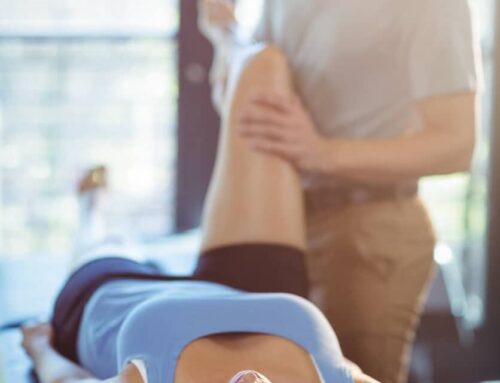
After your treatment, you will begin a personalized physical therapy program designed to support your healing. Our specialists tailor gentle, pain-free exercises to your specific stage of recovery. As you regain strength, your therapist will gradually adjust your routine to help you safely rebuild your mobility.
According to Brown University, physical therapy is one of the most effective, non-invasive ways to manage hip and knee pain. By focusing on targeted movement, this active approach can often help you avoid the need for surgery.
To complement your in-office sessions, sports medicine doctors near you also provide a customized home-care plan. This plan includes practical tips, safe stretches, and daily guidance to support your recovery at home. Our goal is to give you the tools and knowledge you need for long-term joint health.
Benefits and Effectiveness
These non-surgical treatments offer a safe, effective way to relieve pain and restore mobility without the need for invasive surgery.
Targeted Pain Relief and Functional Restoration
Non-surgical therapies are designed to deliver precise relief directly to the area causing you discomfort. By focusing treatment on the exact source of your pain, these therapies help you safely and gradually return to the daily activities you enjoy.
This targeted approach means you can rebuild your strength and mobility without the disruption of a major medical procedure.
Avoiding Surgical Risks and Downtime
Choosing non-surgical care allows you to avoid the risks associated with major surgery, such as complications from general anesthesia, surgical site infections, and permanent scarring.
Since these treatments are minimally invasive, you’ll benefit from a faster recovery and can return to your normal daily activities with minimal disruption to your work and family life.
Reducing Your Need for Pain Medication
By targeting the root cause of your pain locally, these treatments can significantly lower your reliance on oral medications. This helps you avoid common systemic side effects like drowsiness, stomach upset, or dependency. Instead, you receive targeted care that directly supports your body’s natural healing process.
Risks and Considerations
While these procedures are generally safe, understanding the potential side effects and limitations helps you make the best decision for your health.
Potential Side Effects of Injections
Minor side effects include temporary soreness, swelling, or bruising at the injection site, and an occasional short-term increase in localized inflammation.
Limitations of Conservative Care
While conservative treatments are highly effective for many conditions, they do have natural limitations. For instance, non-surgical therapies may not be able to fully repair severe structural damage, such as complete ligament or tendon tears.
In these complex cases, advanced interventions or surgical options might be necessary to restore full function.
Your individual recovery timeline and overall progress will depend on several unique factors. Your age, general physical health, and pre-existing medical conditions all play a significant role in how quickly your body heals.
Additionally, your active commitment to your prescribed rehabilitation plan and physical therapy is essential for achieving the best possible outcome.
Recovery and Aftercare
Following your personalized recovery plan is key to healing safely and regaining your strength.
- Immediate Post-Procedure Care: Rest the treated joint, apply cold therapy for discomfort, and avoid heavy lifting or high-impact activities until cleared.
- Structured Rehabilitation Milestones: Progress from gentle stretching to active resistance exercises designed to rebuild strength, restore natural movement, and enhance athletic resilience.
- Long-Term Prevention and Maintenance: Support long-term joint health with home exercises that promote core stability and joint alignment, paired with regular follow-ups to monitor progress.
Frequently Asked Questions (FAQ)
Non-surgical sports medicine helps you relieve joint pain, heal soft tissue injuries, and regain your mobility without major surgery. Below are answers to common questions about non-surgical care, targeted injections, and physical rehabilitation.
What conditions can be treated non-surgically by sports medicine doctors near me?
Non-surgical injury care treats a broad range of acute and chronic musculoskeletal conditions, including muscle sprains, ligament strains, tendonitis, bursitis, rotator cuff injuries, and mild-to-moderate joint osteoarthritis.
How do corticosteroid injections differ from hyaluronic acid injections?
Corticosteroid injections deliver powerful anti-inflammatory medication directly into an inflamed joint to provide rapid, acute pain relief and reduce severe swelling.
In contrast, hyaluronic acid injections act as a natural lubricant and shock absorber to ease wear-and-tear friction, making them particularly beneficial for chronic knee and joint osteoarthritis.
Why is physical therapy necessary if I am already getting an injection?
While injections excel at calming localized inflammation and providing immediate pain relief, they do not resolve the underlying movement dysfunctions or muscle weaknesses that caused the injury. Combining targeted injections with custom physical therapy strengthens supporting muscles, corrects biomechanics, and prevents future reinjury.
What are the main advantages of choosing non-surgical care over surgery?
Non-surgical treatments avoid the risks associated with major operations, such as general anesthesia, surgical site infections, and extensive scarring. They also feature significantly shorter recovery times, minimal downtime from work or athletic routines, and reduced reliance on oral pain medications.
How soon can I return to physical activity after receiving a joint injection?
Most sports medicine doctors near you recommend resting the treated joint for 24 to 48 hours following an injection to allow the medication to settle and initial tissue recovery to begin. You will then gradually resume light movements and guided physical therapy exercises before progressing back to high-impact activities or sports.
Find Sports Medicine Doctors in North Carolina
Non-surgical sports medicine offers a proven, minimally invasive pathway to healing joint injuries, relieving pain, and restoring your active lifestyle without the risks and downtime of surgery. With advanced injections and customized rehabilitation, you can return to your favorite activities safely and sooner.
If you’re ready to explore effective, non-surgical options for joint pain or sports injuries, trust the experienced sports medicine doctors near you at Cary Orthopaedics. Schedule your consultation online or call us at (919) 573-4825 to get started on your personalized recovery plan today.