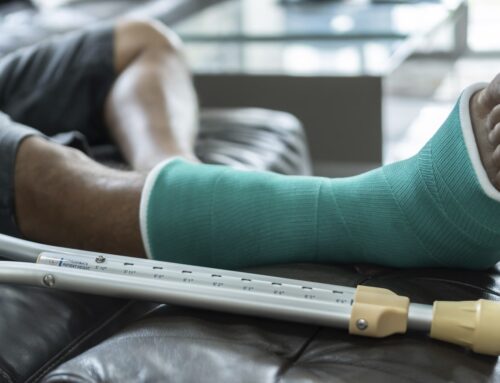

A total hip replacement is a major step toward a more mobile, pain-free life. But the surgery itself is only the beginning. What you do in the first few weeks afterward largely determines how well and how quickly you recover. That is where physical therapy comes in.
In short:
- Physical therapy is essential for regaining strength, mobility, and function after hip replacement.
- Early, gentle exercises prevent stiffness and improve your new hip’s range of motion.
- Consistently following your personalized plan leads to the best recovery outcomes.
The right PT exercises after hip replacement help you rebuild strength, restore motion, and protect your new joint from the start. This guide walks you through what to expect, from your first day in the hospital to your sixth week at home, so you can move forward with clarity and confidence.
Why Physical Therapy Matters After Hip Replacement
According to the National Institutes of Health (NIH), total hip arthroplasty (THA) is one of the most cost-effective and consistently successful surgeries performed in orthopedics. However, even the most successful surgery requires a safe, structured recovery to match.
Physical therapy is the foundation of that recovery, helping you restore mobility, strength, and everyday function in a controlled, guided way.
Without early, appropriate movement, healing can bring on joint stiffness, muscle weakness, and restrictive scar tissue. A prescribed program of PT exercises after hip replacement prevents these setbacks and helps your new hip work exactly as intended.
Active participation from day one sets you up for a smoother, more predictable recovery.
How Early PT Exercises Support Your Healing
Well-designed exercises work with your body’s natural healing process in three key ways.
- Promoting joint mobility and flexibility: Regular, gentle movement prevents scar tissue from becoming restrictive, gradually increasing your hip’s range of motion and preparing you for functional movements like walking and climbing stairs.
- Strengthening key muscle groups: Targeted exercises strengthen the quadriceps, hamstrings, and gluteal muscles to stabilize your new joint, improve balance, and reduce your risk of falling.
- Enhancing circulation and reducing swelling: Muscle contractions boost blood flow and lymphatic drainage, decreasing swelling and reducing your risk of deep vein thrombosis (DVT).
Your First Weeks: Safe PT Exercises After Hip Replacement Surgery
Physical therapy usually begins within hours of your surgery. Your program is tailored to your recovery pace, your surgical approach, and your care team’s instructions. Here is how the progression typically unfolds.
Days 1–3: Initial Hospital-Based Exercises
While you are still in the hospital, your therapist guides you through simple movements that gently activate your muscles and support circulation.
- Ankle pumps: Repeatedly point and flex your feet to keep blood moving and reduce the risk of clots.
- Heel slides: Gently slide your heel toward your buttock while lying on your back, bending your knee and hip within your safe range.
- Gluteal sets: Squeeze your buttock muscles together, hold for 5 to 10 seconds, then release.
- Quadriceps sets: Press the back of your knee into the bed to tighten your thigh muscles, hold for 5 to 10 seconds, then relax.
Your therapist will also assist with supervised transfers (getting in and out of bed or a chair) and your first steps using a walker or crutches, ensuring you bear weight correctly.
Weeks 1–6: Your Home Exercise Program
After discharge, you continue the home program your physical therapist designed for you. Consistency is what drives progress during this phase.
Start by gradually increasing the repetitions, sets, and hold times of your initial exercises. As your stability improves, your therapist may introduce standing exercises. Always hold onto a sturdy surface for support.
- Standing knee bends: Holding your support, bend both knees slightly, then straighten. This gently reintroduces controlled motion.
- Standing hip flexion: Lift your surgical leg forward, keeping the movement small and never bending your hip past 90 degrees.
- Standing hip abduction: Slowly move your surgical leg out to the side, keeping your toes pointed forward, then return it to center.
As these grow easier, your focus shifts toward functional movements: walking a little farther each day, navigating stairs safely, and practicing smooth sit-to-stand transitions.
According to the American Academy of Orthopaedic Surgeons (AAOS), most patients are able to resume light activities of daily living within 3 to 6 weeks following surgery, a reassuring milestone to keep in mind as you work through your recovery.
Why Professional Guidance Is Essential
A qualified physical therapist is your most valuable partner during recovery. They:
- Design a personalized program based on your surgical approach, overall health, and progress.
- Ensure you perform each exercise with correct form to prevent injury.
- Safely advance your exercises as your strength, endurance, and range of motion improve.
Keep a simple daily log of your exercises and how they feel. Bring it to appointments so your therapist can fine-tune your plan.
The Benefits of Staying Consistent
Diligently following your prescribed PT exercises after hip replacement pays off in both the short and long term.
Faster Recovery and Better Pain Management
- Regular exercise reduces post-surgical pain and can lower your reliance on opioid medication.
- Guided movement helps you return to daily activities sooner.
- Each successful milestone builds confidence and eases recovery-related anxiety.
Improved Mobility and Independence
- Physical therapy restores full, functional range of motion in your new hip.
- You regain the ability to walk, climb stairs, and manage household tasks.
- Over time, you can return to hobbies and social activities you enjoy.
Long-Term Joint Health and Durability
- Strong surrounding muscles support and protect your artificial joint from excess wear.
- Learning proper biomechanics reduces stress on the implant and enhances its longevity.
- A committed rehabilitation effort supports decades of comfortable, functional hip use.
Getting Started with Your Recovery
A successful recovery combines dedication, preparation, and open communication with your care team.
Collaborate With Your Healthcare Team
Be an active participant in your recovery. Share your goals, voice your concerns, and report your progress honestly. Follow your team’s instructions on weight-bearing, activity restrictions, and exercise progression closely.
Prepare Your Home Environment
A safe, well-organized home prevents falls and makes daily life easier:
- Remove tripping hazards like loose rugs, clutter, and cords.
- Keep frequently used items within easy reach so you avoid bending or stretching.
- Use adaptive equipment such as a raised toilet seat, shower chair, and reaching grabber.
Embrace a Patient, Consistent Approach
Healing happens gradually. Celebrate small victories and avoid comparing your progress to others. Consistency in your daily exercises is what drives long-term success, so trust your providers, trust the process, and trust your body’s ability to heal.
Frequently Asked Questions (FAQ)
Below are answers to some common questions about physical therapy exercises after a hip replacement to help guide you through your recovery process.
When should I start PT exercises after hip replacement surgery?
Physical therapy typically begins shortly after surgery, often within the first 24-48 hours. Your care team will guide you through safe, simple exercises to promote circulation, reduce stiffness, and begin restoring mobility.
How often should I perform PT exercises after hip replacement?
Following your provider’s recommendations is crucial. Most patients are advised to perform their exercises 2-3 times per day, depending on their individual recovery plan. Consistency is key for steady progress.
Which exercises are safe to do immediately after surgery?
Initial exercises may include ankle pumps, quad sets, heel slides, and glute squeezes. These movements are designed to improve blood flow, prevent complications, and gently activate your muscles without placing stress on the surgical joint.
How long will I need to continue physical therapy?
Every recovery process is unique, but physical therapy can last anywhere from several weeks to a few months. Your healthcare provider will adjust your plan based on your progress and specific needs.
Can I do other forms of exercise in addition to PT?
Low-impact activities like walking are generally encouraged as part of your recovery. However, it’s essential to consult your physical therapist before introducing new exercises to ensure they are safe for your hip joint.
What should I do if I experience pain while doing PT exercises?
Some stiffness or mild discomfort is normal, but sharp or severe pain should not occur. Stop the activity and notify your physical therapist or surgeon immediately to assess and adjust your routine.
Begin Your PT Exercises After Hip Replacement in Morrisville, Cary, and Holly Springs, NC
The first weeks after hip replacement lay the foundation for your entire recovery. With safe, consistent PT exercises after hip replacement and close guidance from your care team, you can rebuild strength, restore mobility, and return to the activities you love.
At Cary Orthopaedics, our experienced team is committed to providing expert, personalized guidance every step of the way. If you have questions about your recovery or are ready to take the next step in your healing journey, we’re here to support you. Call us at (919) 573-4825 to schedule your visit today.