
The best treatment for arthritis of the spine depends on the severity of your condition and symptoms. Non-surgical treatments like physical therapy and medications often provide effective relief, while surgical options are reserved for severe cases that do not respond to conservative care.
The best treatment for arthritis of the spine varies based on your specific symptoms and how much the condition affects your daily life. Spinal arthritis, also called spondylosis, happens when the cartilage between your spine joints wears down over time. This breakdown causes inflammation, pain, and stiffness that can make simple activities challenging.
Here, we will explore surgical and non-surgical treatment for spine arthritis, so that you can choose the best one for you. These include:
- Non-surgical treatments – Most effective for mild to moderate spinal arthritis.
- Physical therapy – Strengthens muscles and improves spine flexibility.
- Surgical intervention – Reserved for severe cases with nerve compression.
What is Arthritis of the Spine?
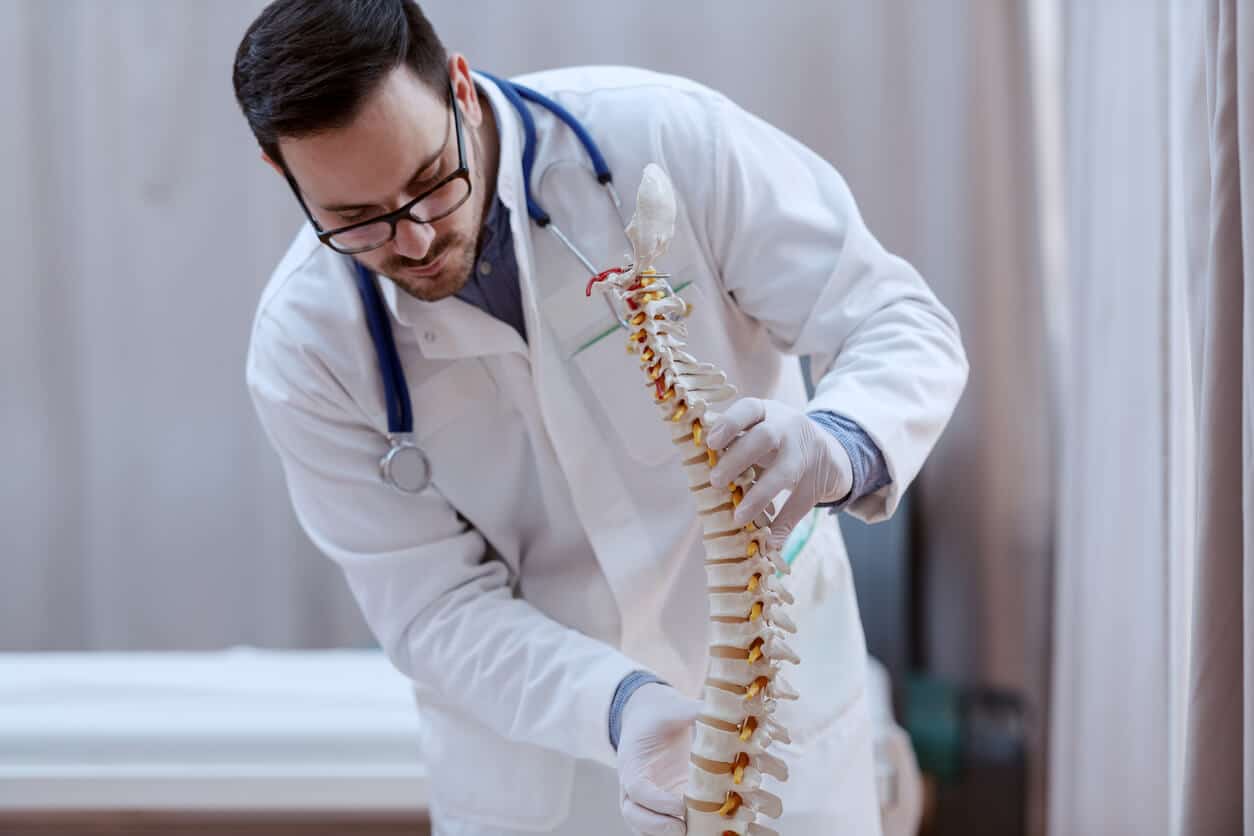
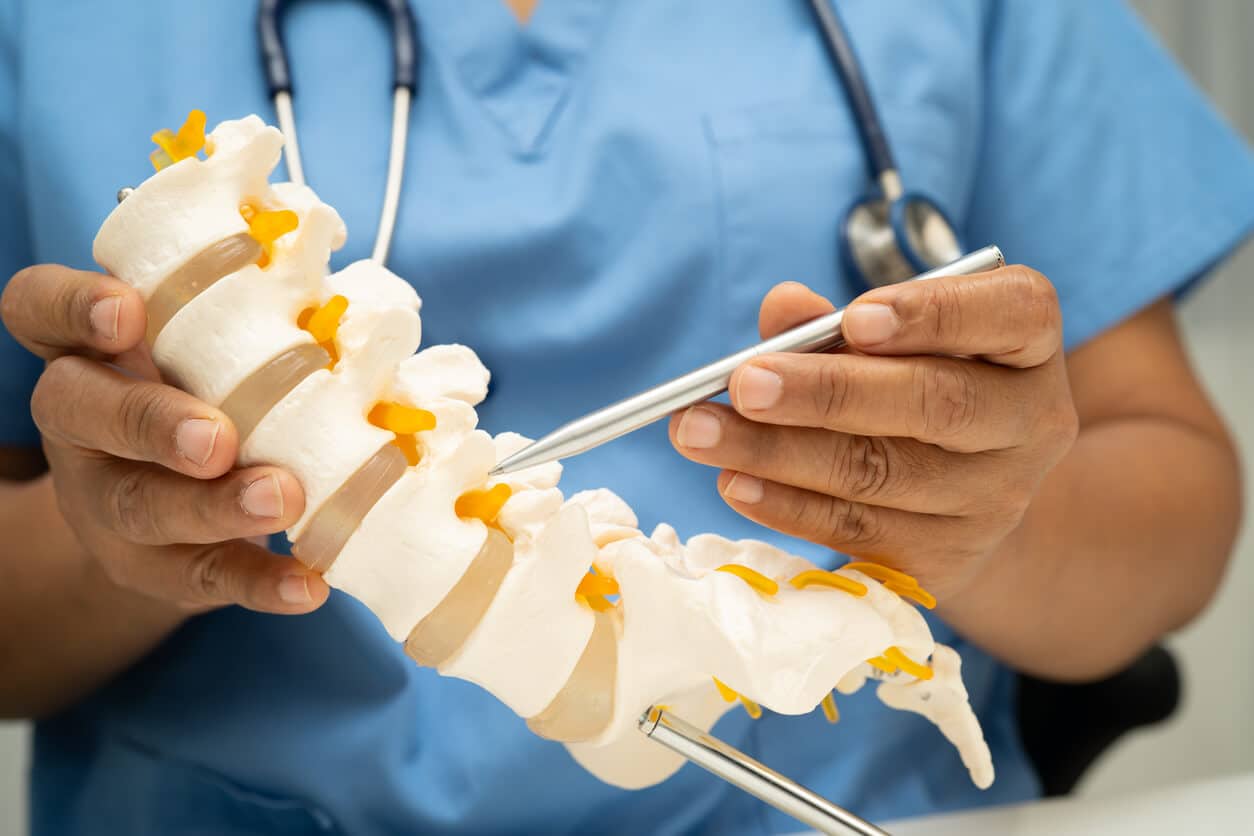
Arthritis of the spine affects the joints between your vertebrae. The most common type is osteoarthritis, which occurs when the protective cartilage cushioning your spine joints breaks down. This process typically develops gradually as you age.
Your spine contains many joints that allow for bending, twisting, and movement. When arthritis develops, these joints become inflamed and painful. The condition most often affects the lower back (lumbar spine) and neck (cervical spine).
Common symptoms include morning stiffness, aching pain that worsens with activity, and reduced flexibility in your back or neck. Some people also experience muscle spasms or radiating pain into their arms or legs.
How Effective Are Non-Surgical Treatments for Spinal Arthritis?
Non-surgical treatments represent the best treatment for arthritis of the spine for most patients. Research shows that conservative approaches can significantly reduce pain and improve function without the risks associated with surgery.
Physical Therapy and Exercise
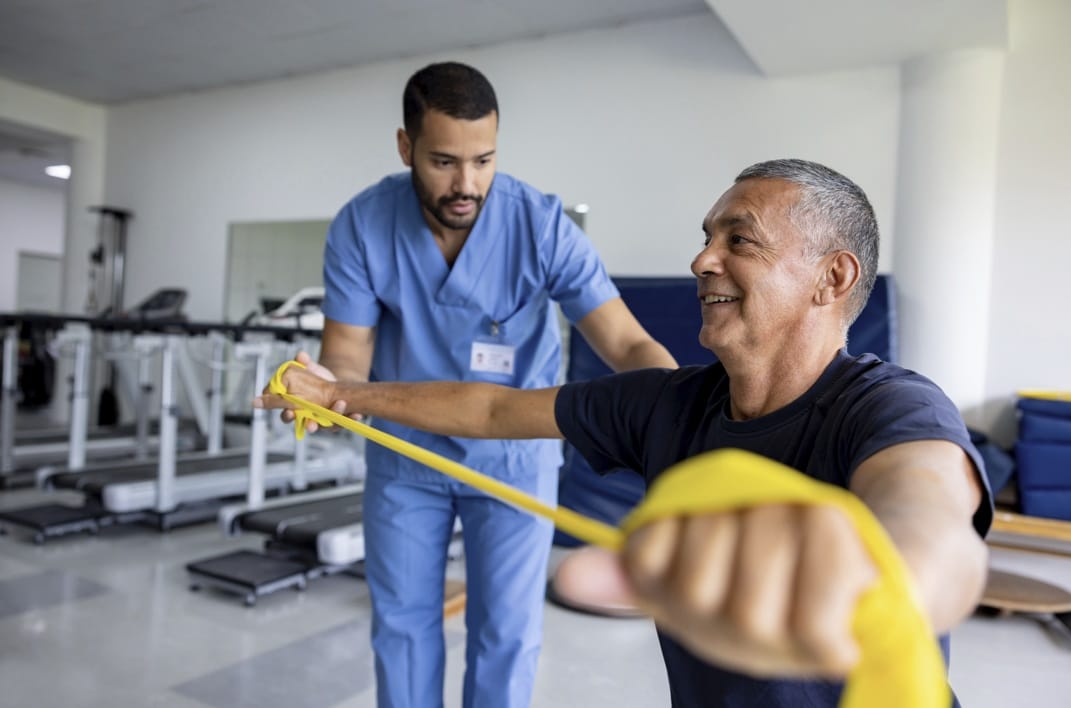
Physical therapy forms the cornerstone of non-surgical treatment for spinal arthritis. Therapists design specific exercises to strengthen the muscles supporting your spine while improving flexibility and range of motion.
Regular exercise helps maintain joint mobility and prevents further stiffening. Low-impact activities like swimming, walking, and gentle stretching prove most beneficial for people with spinal arthritis.
Medications for Pain Management
Several medication options can help control arthritis pain and inflammation, such as:
- Over-the-counter pain relievers – Acetaminophen (Tylenol) and NSAIDs like ibuprofen (Advil) or naproxen (Aleve).
- Prescription anti-inflammatories – Stronger NSAIDs such as celecoxib (Celebrex) for severe inflammation.
- Topical treatments – Creams containing capsaicin or menthol applied directly to painful areas.
Your doctor may also prescribe muscle relaxants if you experience significant muscle spasms alongside arthritis pain.
Injection Therapies
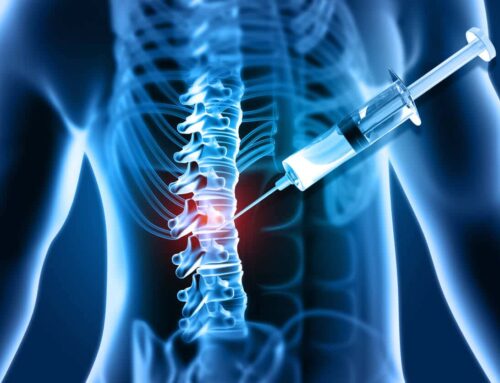
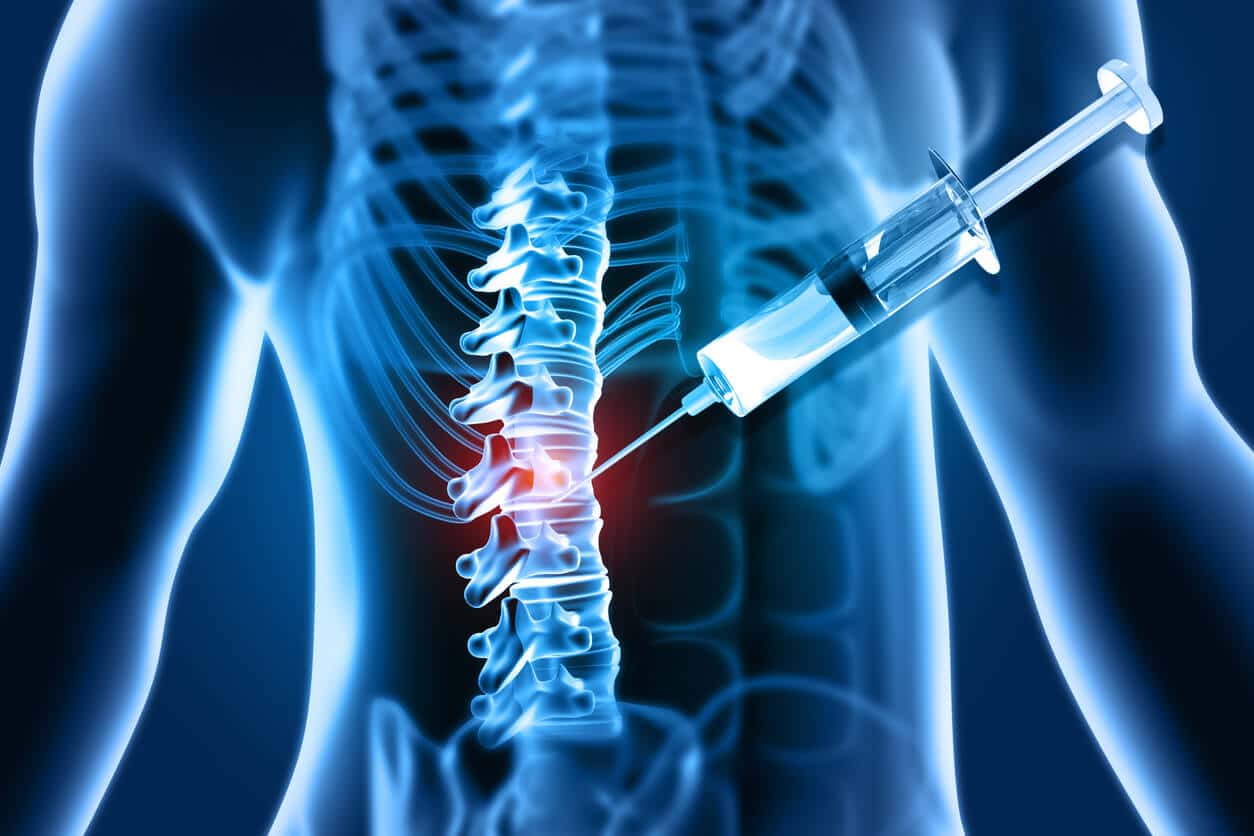
For patients who do not respond adequately to oral medications, injection treatments can provide targeted relief. Corticosteroid injections delivered directly into affected joints can reduce inflammation and pain for several months.
Hyaluronic acid injections may also help by lubricating joints and reducing friction between cartilage surfaces.
When is Surgery the Best Treatment for Arthritis of the Spine?
Surgery becomes the best treatment for arthritis of the spine when conservative treatments fail to provide adequate relief and your quality of life remains significantly impacted. Surgical intervention is typically considered for severe cases involving nerve compression or spinal instability.
Surgical Options Available
Several surgical procedures can address severe spinal arthritis, such as:
- Laminectomy – Removes bone spurs and excess tissue pressing on nerves.
- Spinal fusion – Joins two or more vertebrae together to eliminate painful joint movement.
- Artificial disc replacement – Replaces damaged discs with artificial ones to maintain spine mobility.
The choice of procedure depends on the location and severity of your arthritis, as well as which structures are most affected.
Success Rates and Recovery
An analysis of 5-year follow-up data from a randomized trial published in The Spine Journal found that 360° lumbar fusion provided lasting pain relief and function improvements in properly selected patients with degenerative disc disease. The study found that over 80% of patients experienced substantial improvements in quality-of-life metrics, including recreational status, that were maintained five years after surgery.
However, recovery from spinal surgery requires several months and intensive rehabilitation.
Surgical outcomes tend to be best for patients who have not responded to at least six months of conservative treatment and have clear evidence of nerve compression on imaging studies.
What Factors Determine the Best Treatment Approach?
Several factors influence whether non-surgical or surgical treatment represents the best treatment for arthritis of the spine for your specific situation:
Severity of Symptoms
Mild to moderate pain that does not interfere with daily activities typically responds well to non-surgical treatments. Severe pain that prevents you from working, sleeping, or performing basic tasks may require surgical evaluation.
Response to Conservative Treatment
Most doctors recommend trying non-surgical approaches for at least three to six months before considering surgery. If your pain and function improve with these treatments, surgery is usually unnecessary.
Age and Overall Health
Younger, healthier patients may be better candidates for surgery when conservative treatments fail. Older adults with multiple health conditions may benefit more from ongoing conservative management.
Presence of Nerve Compression
If arthritis causes bone spurs or other structures to press on spinal nerves, surgery may be necessary to prevent permanent nerve damage.
Best Treatment for Arthritis of the Spine in Cary, Holly Springs, and Morrisville, NC
The best treatment for arthritis of the spine requires careful evaluation by experienced specialists who understand both conservative and surgical options.
At Cary Orthopaedics, our comprehensive spine center offers the full range of treatments for spinal arthritis. Our board-certified orthopedic doctors will work with you to develop a personalized treatment plan that addresses your specific symptoms and goals.
Whether you need physical therapy, medication management, or advanced surgical procedures, we provide expert care to help you return to your normal activities.
Contact Cary Orthopaedics today at (919) 573-4825 to schedule a consultation or learn more about your treatment options for spinal arthritis.