A PRP injection for knee pain can be an effective treatment option, especially for individuals looking for a non-surgical approach to improve healing and reduce inflammation. In short,
- Supports Tissue Healing: PRP therapy uses your body’s own platelets to promote healing in damaged or inflamed knee joints.
- Ideal for Certain Conditions: It is particularly beneficial for conditions like osteoarthritis, tendon injuries, and ligament damage.
- Minimally Invasive Option: PRP offers a safer, less invasive alternative to surgery with a relatively quick recovery time.
Chronic knee pain can keep you from enjoying your favorite activities and impact your daily quality of life. If you struggle with persistent joint discomfort, you might wonder if surgery is your only option.
Fortunately, medical advancements offer a non-surgical alternative that uses your body’s natural healing abilities.
What is a PRP Injection for Knee Pain?
According to Johns Hopkins, Platelet-Rich Plasma (PRP) therapy is gaining popularity for treating a variety of conditions, from sports injuries to hair loss. This innovative treatment uses components of your own blood to encourage natural healing. Blood contains plasma, red blood cells, white blood cells, and platelets. While platelets are best known for helping blood clot, they also contain hundreds of proteins called growth factors, which play a vital role in healing injuries.
When you receive a PRP injection for knee pain, a specialist prepares a highly concentrated dose of these platelets. This concentration is typically five to ten times greater than what you find in normal, untreated blood. By delivering this concentrated fluid directly to the injured or damaged knee joint, the treatment promotes natural tissue repair.
The Basic Process
- Blood Draw: A small sample of your blood is drawn, similar to a routine blood test.
- Centrifugation: This sample is then placed in a centrifuge, which spins at high speed to separate the platelets from other blood components.
- Injection: The resulting platelet-rich plasma is carefully injected directly into the injured area of your knee to begin the healing process.
How Does Platelet-Rich Plasma Therapy Work?
When you injure a tissue, your body naturally sends platelets to the site to begin the healing process. PRP therapy simply magnifies this natural response.
Once injected into the knee, the concentrated platelets release their growth factors. These proteins act like messengers, signaling your body to send repair cells to the damaged area. This process helps to reduce painful inflammation and encourages the regeneration of healthy tissue.
For patients suffering from chronic pain, the body often stops trying to heal the damaged area. A PRP injection essentially restarts the healing process. It tricks your body into recognizing the chronic injury as a new one, prompting a fresh wave of healing activity.
Who Might Benefit from PRP for Knee Pain?
We often consider PRP for patients dealing with persistent pain and reduced mobility who have not found relief from conservative treatments like rest, ice, or physical therapy. It serves as an excellent middle ground for patients who want to avoid or delay total joint replacement surgery.
You might be a strong candidate for a PRP injection for knee pain if you experience any of the following conditions:
Mild to Moderate Osteoarthritis
Osteoarthritis occurs when the protective cartilage on the ends of your bones wears down over time. While PRP cannot regrow lost cartilage, it can significantly reduce the inflammation associated with arthritis.
Many patients experience a profound decrease in pain and stiffness, allowing them to return to their normal routines.
Meniscal Tears
The meniscus is a piece of cartilage that acts as a shock absorber between your shinbone and thighbone. Tears in this cartilage often heal slowly due to poor blood supply. Delivering a concentrated dose of platelets directly to the tear can accelerate the healing process.
Ligament Sprains and Injuries
Ligaments connect bone to bone and provide stability to your knee. If you sprain or partially tear your ACL, MCL, or LCL, your knee can feel unstable and painful. PRP injections can reinforce the tissue repair process, helping you regain stability without invasive surgery.
Tendon Injuries (Tendinopathy)
Tendons connect your muscles to your bones. Overuse can lead to tiny tears in the patellar tendon, a condition often called “jumper’s knee.” Growth factors from PRP injections target these micro-tears directly, reducing pain and restoring function to the tendon.
The Benefits of Choosing PRP Therapy
When evaluating your treatment options, it helps to understand why so many patients and doctors prefer platelet-rich plasma therapy.
- Non-Surgical: PRP is a minimally invasive outpatient procedure. You can go home the exact same day.
- Natural Healing: Because the treatment uses your own blood, the risk of an allergic reaction or rejection is virtually zero.
- Long-Lasting Relief: While cortisone shots provide quick but temporary relief, PRP addresses the root cause of the pain. The healing process takes time, but the pain relief often lasts much longer.
- Reduced Need for Medication: As your knee heals, you may find that you no longer need to rely on over-the-counter pain relievers or prescription medications.
What to Expect During Your Procedure
We know that medical procedures can cause anxiety. Understanding exactly what happens during your appointment can help put your mind at ease. The entire process for a PRP injection for knee pain typically takes less than an hour from start to finish.
Step 1: The Blood Draw
Your appointment begins just like a standard blood test. A medical professional will draw a small amount of blood from a vein in your arm. The amount drawn depends on the specific injury, but it is usually between 15 and 50 milliliters.
Step 2: Centrifugation
We then place your blood sample into a machine called a centrifuge. This machine spins the blood rapidly to separate it into different layers based on weight. The red blood cells settle at the bottom, the plasma stays at the top, and the platelets gather in the middle.
We carefully extract this middle layer of platelet-rich plasma.
Step 3: The Injection
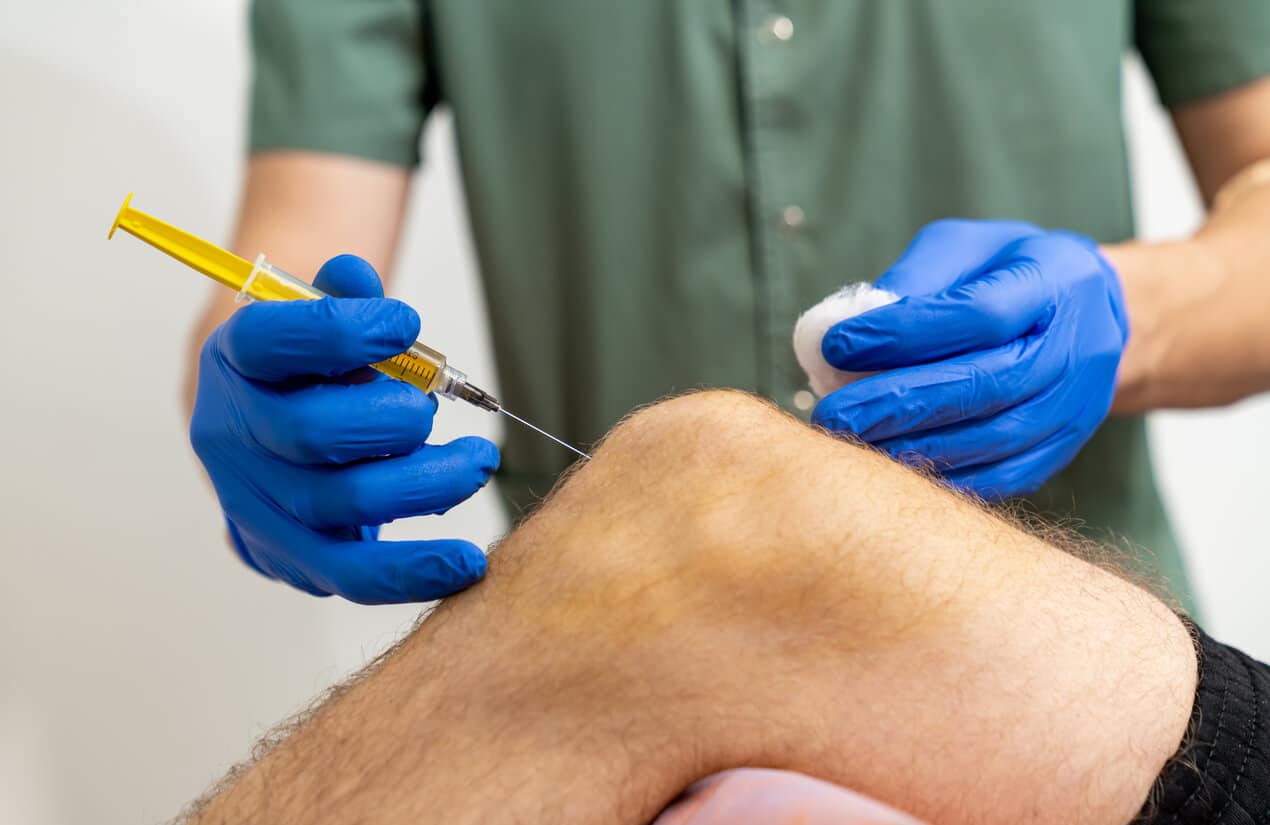
Before the injection, we will clean the skin around your knee. We often use a local anesthetic to numb the area and ensure your comfort. Using ultrasound guidance for precision, your doctor will carefully inject the concentrated PRP directly into the damaged area of your knee joint.
Recovery and Aftercare Guidelines
Following your doctor’s instructions after the procedure is critical for achieving the best results. Because PRP initiates an inflammatory response to stimulate healing, you may actually experience an increase in soreness for a few days after the injection. This is a normal part of the healing process.
Immediate Aftercare
You will need someone to drive you home after your appointment. Rest your knee for the first 24 to 48 hours. Avoid strenuous activities, running, or heavy lifting. You may use crutches for a day or two to keep weight off the joint.
Pain Management
Do not take anti-inflammatory medications like ibuprofen or naproxen for at least a week before and several weeks after your procedure. These medications block the very inflammatory response that PRP relies on to heal your knee.
If you need pain relief, use acetaminophen (Tylenol) as directed by your physician.
Physical Therapy
We often recommend starting a targeted physical therapy program a few weeks after your injection. A physical therapist will help you safely rebuild strength and restore your range of motion.
Strong leg muscles provide better support for your knee joint, enhancing the long-term benefits of the PRP treatment.
Long-Term Pain Relief
One of the key advantages of PRP treatment is its potential to provide lasting pain relief. According to studies published by the Mayo Clinic, many patients experience significant improvement in pain levels for 6–12 months following their injection. This reduction in discomfort allows for greater mobility, improved quality of life, and the ability to engage in daily activities with less limitation.
By following your personalized recovery plan, including physical therapy and appropriate lifestyle adjustments, you can maximize the long-term benefits of PRP therapy.
Schedule a PRP Injection for Knee Pain in Cary, NC
Living with persistent knee pain limits your freedom and prevents you from living life to the fullest. You deserve an accurate diagnosis and a treatment plan tailored to your specific needs. A PRP injection for knee pain offers a promising, non-surgical path toward restored function and lasting pain relief.
If conservative treatments have failed to ease your discomfort, it might be time to explore regenerative medicine. Our orthopaedic specialists are here to provide clear, detailed explanations and compassionate care every step of the way.
Are you ready to find out if you are a candidate for platelet-rich plasma therapy? Cary Orthopaedics is here to help you get back on your feet. Call us at (919) 573-4825 to schedule an evaluation with one of our specialists.
Frequently Asked Questions
Are PRP Knee Injections Worth It?
PRP injections for knee pain can be highly beneficial for individuals seeking to reduce pain and improve function without surgery. However, effectiveness varies depending on the person and the specific knee condition. Severe, bone-on-bone osteoarthritis may not respond as well as mild to moderate arthritis or a specific soft tissue injury.
It is important to discuss with your doctor whether a PRP injection is a suitable treatment option for you, carefully considering your health history and your expectations.
How Much Do 3 Sessions of PRP Cost?
The cost for three sessions of a PRP injection for knee pain varies widely. Factors like your location, the clinic’s expertise, and the specific treatment plan influence the final price. Most insurance plans currently view PRP as an experimental treatment and do not cover the injections.
It is best to check directly with your insurance provider and our clinic staff for exact costs and payment options.
How Long Does It Take to See Results?
Unlike a cortisone shot, which numbs pain quickly, PRP takes time. You are growing new, healthy tissue. Most patients begin to notice a gradual decrease in pain and an increase in mobility around four to six weeks after the injection. Healing will continue to progress over the next several months.
How Many Injections Will I Need?
The number of injections depends entirely on your specific condition and how your body responds to the first treatment. Some patients achieve significant relief with just a single injection. Others, particularly those with osteoarthritis, may benefit from a series of two to three injections spaced a few weeks apart.