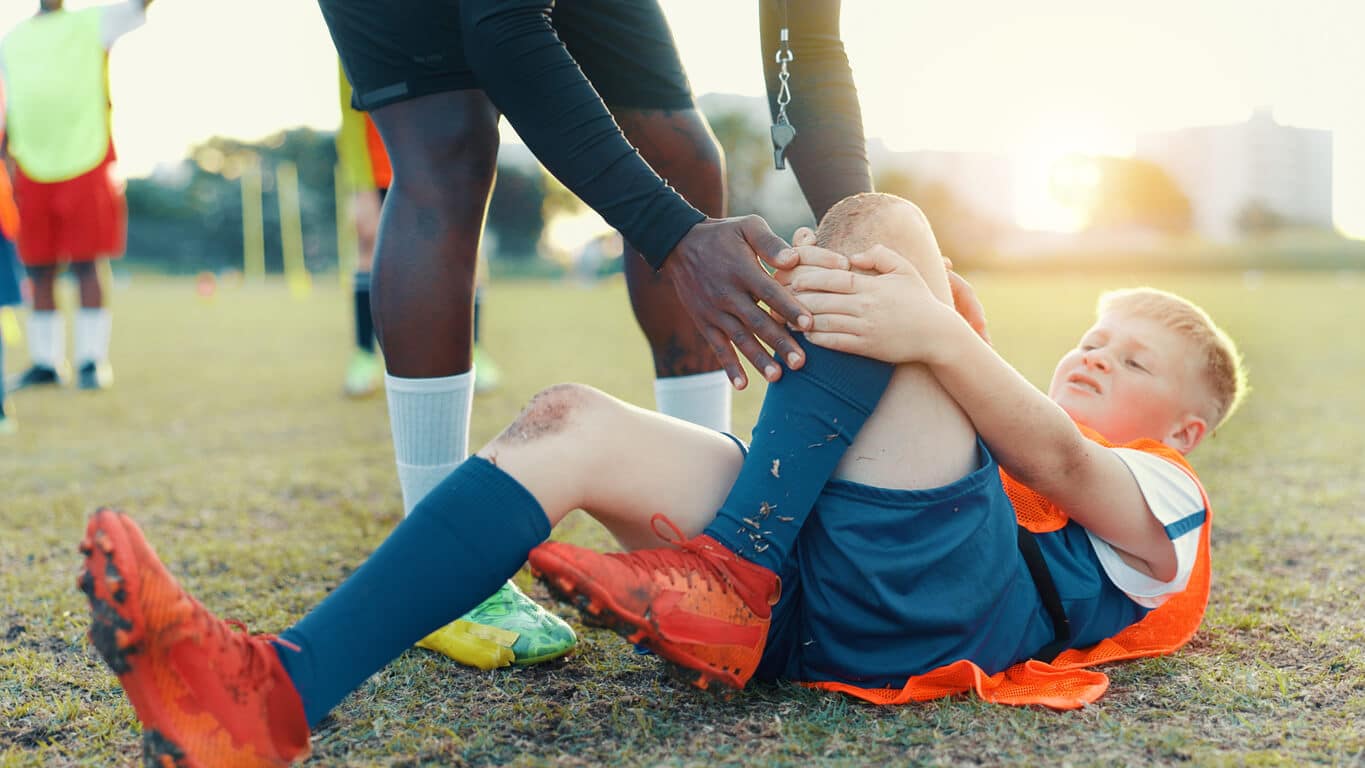
Sports injury treatment is not a one-size-fits-all approach, as the body heals differently depending on the stage of life. While the goal is always to return to activity safely, the path to recovery varies significantly.
- Growth plates matter. Teenagers require specialized care to protect open growth plates during recovery.
- Lifestyle impacts recovery. Adults often balance treatment with work obligations and slower tissue repair rates.
- Pre-existing conditions. Seniors must consider arthritis and bone density when treating sports injuries.
Understanding these age-related differences is crucial for effective healing. A fracture in a teenager might pose risks to future growth, while the same injury in a senior requires attention to bone density. We must tailor medical interventions to the specific biological reality of the patient.
This article explores how orthopaedic specialists adjust their approach for teens, adults, and seniors. We will look at specific vulnerabilities for each age group. You will learn why a customized treatment plan is essential for a safe return to the sport you love.
Special Considerations for the Adolescent Athlete
Young athletes are not simply small adults. Their bodies are in a constant state of change, which influences how injuries occur and how they heal. The most distinct factor in pediatric and adolescent sports medicine is the presence of open growth plates.
Protecting the Growth Plates
Growth plates are areas of developing cartilage tissue near the ends of long bones. They regulate the length and shape of the mature bone. Because these plates are weaker than the surrounding ligaments and tendons, they are often the first structures to fail during trauma.
Effective sports injury treatment for teens must prioritize the protection of these plates. If a growth plate fracture is not treated correctly, it can lead to limb deformities or stunted growth.
Managing Overuse Injuries
Teens often experience rapid growth spurts that leave muscles and tendons tight. This tightness places significant tension on the attachment points of the bone. Conditions such as Osgood-Schlatter disease in the knee are common results of this tension.
The study published in the Journal of Athletic Training highlights that overuse injuries account for a significant percentage of pediatric sports injuries. Treatment focuses on rest, physical therapy, and modifying activity levels rather than surgery. Ignoring these early warning signs can lead to chronic issues in adulthood.
Psychological Aspects of Recovery
Teenagers often tie their social identity to their sport. Being sidelined can lead to frustration or depression. A comprehensive sports injury treatment plan for this age group includes clear communication about timelines to manage expectations.
Sports Injury Treatment for the Active Adult
Once we reach adulthood, our growth plates close, and our skeletal structure matures. However, the regenerative capacity of our tissues begins to slow down. The “weekend warrior” demographic faces a unique set of challenges regarding injury and recovery.
Slower Tissue Repair
As we age into our 30s, 40s, and 50s, blood flow to tendons and ligaments decreases. This reduction means that a sprain or strain that healed in three days during high school might now take three weeks. Common issues include Achilles tendonitis and rotator cuff tears.
Adults often require more aggressive sports injury treatment to stimulate healing. This might include modalities like platelet-rich plasma (PRP) therapy or prolonged courses of physical therapy.
Balancing Life and Recovery
Adults rarely have the luxury of total rest due to work and family responsibilities. Orthopaedic specialists must design treatment plans that accommodate a busy lifestyle while still protecting the injury. This might involve removable braces rather than casts or minimally invasive surgery to speed up the return to function.
The Senior Athlete: Staying Active Safely
Staying active is vital for longevity, but senior athletes must navigate the effects of aging on the musculoskeletal system. Sports injury treatment for those over 60 requires a comprehensive view of the patient’s overall health.
Addressing Bone Density
Osteoporosis and osteopenia become significant concerns as we age. A minor fall on the tennis court that might bruise a younger person could cause a hip or wrist fracture in a senior. Treatment plans must often include bone health management.
Physicians may recommend calcium and vitamin D supplementation alongside orthopaedic care. X-rays and bone density scans are frequently used to assess the structural integrity of the injury site.
Recovery from fractures in this demographic requires careful monitoring to ensure proper union of the bone.
Managing Arthritis and Comorbidities
Many senior athletes manage sports injuries alongside osteoarthritis. This condition wears down the cartilage that cushions the joints. High-impact activities can worsen this pain and inflammation.
Sports injury treatment in this stage often focuses on pain management and maintaining mobility. Low-impact exercises like swimming or cycling are often prescribed as alternatives during recovery. The goal is to keep the patient moving without causing further degeneration of the joints.
Frequently Asked Questions
How long does sports injury treatment usually take?
The timeline varies greatly depending on the severity of the injury and the age of the patient. Soft tissue injuries may take weeks, while fractures or surgical repairs can take months.
When should I see a doctor for a sports injury?
You should seek medical attention if you have severe pain, swelling, or numbness. If you cannot put weight on the injured area or if the joint feels unstable, make an appointment immediately.
Is surgery always necessary for sports injuries?
No, surgery is usually a last resort. Most injuries respond well to conservative treatments. These include rest, ice, physical therapy, and anti-inflammatory medication.
Can sports injury treatment prevent future injuries?
Yes, a good treatment plan includes rehabilitation to strengthen the injured area. This strengthening helps prevent re-injury.
Sports Injury Treatment in Cary, NC
Whether you are a varsity athlete or a senior staying active, you deserve expert care. Sports injury treatment must be personalized to your age, goals, and lifestyle.
Proper diagnosis and a tailored rehabilitation plan are the keys to getting back in the game. Do not let pain keep you on the sidelines. Seek out a specialist who understands the nuances of your stage in life.
If you are experiencing pain from a sports injury, contact us today. Our team at Cary Orthopaedics is ready to help restore your mobility and return you to the activities you love.
Call us today at (919) 467-4992 or use our appointment form to schedule an appointment.