
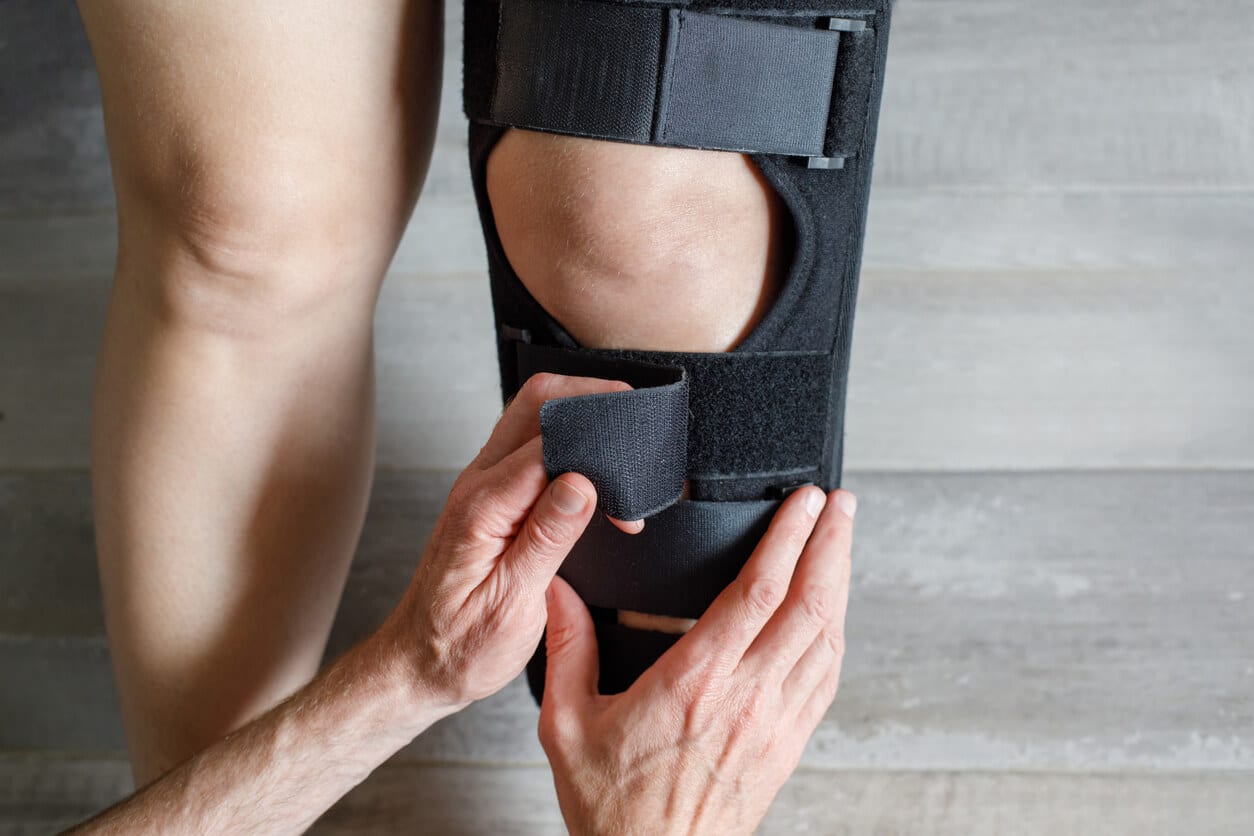
Yes, specialized braces can significantly reduce pain and improve stability for many patients.
- Reduces joint pressure. Unloader braces shift weight away from the damaged area of the knee to relieve pain.
- Improves daily stability. Wearing a brace adds support that prevents the knee from giving way during activity.
- Complements other treatments. Bracing works best when combined with physical therapy and medication management for optimal results.
Finding effective relief through bracing for knee osteoarthritis is a priority for many patients seeking non-surgical solutions. Osteoarthritis is a degenerative condition that wears down the cartilage in your joints. This loss of cushioning leads to bone rubbing against bone.
The resulting friction causes pain, swelling, and stiffness that can make walking difficult. Many people fear that surgery is their only option when diagnosed with this condition. However, conservative treatments can delay or even prevent the need for invasive procedures.
Medical experts often recommend bracing for knee osteoarthritis as a first line of defense. A well-fitted brace can restore your confidence in movement. This article explores how bracing works and whether it is the right choice for your pain management.
How Does a Knee Brace Actually Work?
The primary goal of a knee brace is to provide stability and structural support. For osteoarthritis patients, specific braces modify how pressure is distributed across the knee joint. This is crucial because osteoarthritis usually affects one side of the knee more than the other.
By shifting weight away from the damaged area, the brace reduces friction. This process is often called “unloading” the joint. When the bone surfaces do not rub together as intensely, inflammation often decreases.
Additionally, a brace provides external stability. Weak muscles often accompany arthritis, leading to a feeling that the knee might buckle. The brace acts as a scaffold to keep the joint aligned during movement.
What Types of Braces Are Available?
There are several types of braces designed to address different levels of severity. Your orthopedic specialist will recommend a specific style based on your X-ray results and pain levels.
Unloader Braces
These are sophisticated devices designed specifically for moderate to severe osteoarthritis. They use straps and hinges to push the knee into a better alignment. This physically moves the weight bearing away from the painful, arthritic side of the knee.
These braces are most effective for patients where the arthritis is primarily on one side (medial or lateral) rather than throughout the entire joint.
Hinged Knee Braces
These braces provide structural support to prevent the knee from wobbling. They are helpful for patients who suffer from ligament instability alongside their arthritis. They do not necessarily unload weight but offer significant protection against twisting injuries.
Compression Sleeves
These soft, fabric braces are best for mild symptoms. They provide warmth and compression, which can reduce swelling. While they do not offer mechanical support, the sensory feedback can help you feel more aware of your knee position.
Does Research Support Bracing for Knee Osteoarthritis?
Many patients wonder if bracing for knee osteoarthritis is scientifically proven to help. Recent medical data supports the effectiveness of bracing as a legitimate treatment.
A study published in the BMC Musculoskeletal Disorders indicates that unloader braces can significantly reduce pain in patients with unicompartmental knee osteoarthritis. The research suggests that patients experience better function and quality of life.
Furthermore, the Cochrane Library reviewed multiple trials regarding non-surgical interventions. They found that wearing a brace can improve stability and reduce the fear of falling. This data confirms that bracing is a valuable tool in comprehensive orthopedic care.
Can Bracing Help Me Avoid Surgery?
Many patients utilize bracing to delay or eliminate the need for a total knee replacement. By managing pain effectively, you can remain active and maintain a healthy weight. Weight management is critical for slowing the progression of arthritis.
However, bracing is rarely a standalone cure. It is most effective when paired with other conservative treatments. This often includes anti-inflammatory medications and targeted exercise programs.
Sometimes, surgery is eventually necessary. Interestingly, patients who use braces often have better muscle tone before surgery. This can make post-operative recovery, including physical therapy for knee surgery, smoother and faster.
What Are The Benefits of Wearing a Brace?
The benefits extend beyond simple pain relief. A reduction in pain often leads to a more active lifestyle.
Increased Activity Levels
When you hurt less, you move more. Exercise helps lubricate the joints and strengthens the muscles surrounding the knee.
Reduced Medication Use
Effective bracing for knee osteoarthritis may lower your reliance on oral pain medications. This is beneficial for patients who worry about the side effects of long-term drug use.
Improved Psychological Well-Being
Chronic pain can be exhausting and isolating. Regaining the ability to walk or shop for groceries can improve your mental outlook.
Are There Downsides to Wearing a Brace?
While beneficial, knee braces are not without challenges. It is important to have realistic expectations before investing in one.
Skin Irritation
Wearing a brace tightly against the skin can cause sweating or rubbing. It is important to keep the brace and your skin clean to avoid rashes.
Bulkiness
Some unloader braces are rigid and can feel bulky under clothing. You may need to wear looser pants to accommodate the device.
Muscle Dependence
There is a myth that braces weaken muscles. This is generally untrue if you remain active. However, relying solely on the brace without doing strengthening exercises is not recommended.
How Does Bracing Compare to Physical Therapy?
Bracing and physical therapy are partners, not competitors. Physical therapy focuses on strengthening the quadriceps and hamstrings to support the knee naturally. The brace provides the immediate support needed to perform those exercises.
If surgery becomes necessary, you will likely engage in physical therapy for rehabilitation. Patients who are accustomed to managing their knee health are often better prepared for this process.
Combining these therapies usually yields the best results. The brace allows you to perform therapeutic exercises with less pain. This leads to greater strength gains over time.
Bracing for Knee Osteoarthritis in Cary, NC
Finding the right brace requires professional guidance. Over-the-counter options may not provide the specific “unloading” mechanism required for your unique anatomy. A poor fit can even cause more pain or skin issues.
At Cary Orthopaedics, we evaluate the specific compartment of your knee that is damaged. We then fit you with a custom or semi-custom device tailored to your leg shape. This ensures maximum comfort and effectiveness.
Our specialists also teach you exactly how to put it on and take it off. Proper alignment is critical for the brace to function correctly. We ensure you leave the office feeling confident in your new equipment.
For more information on effective pain management, contact Cary Orthopaedics today at (919) 573-4825 to schedule your consultation. Visit us at one of our Triangle locations to get started.