In short, proper rehabilitation is essential for restoring knee function and stability after an anterior cruciate ligament (ACL) injury.
- Non-surgical recovery. Many partial tears heal effectively with dedicated physical therapy and bracing.
- Restoring stability. Targeted exercises strengthen surrounding muscles to compensate for ligament damage.
- Prevention focus. Rehabilitation teaches proper movement mechanics to reduce the risk of future knee injuries.
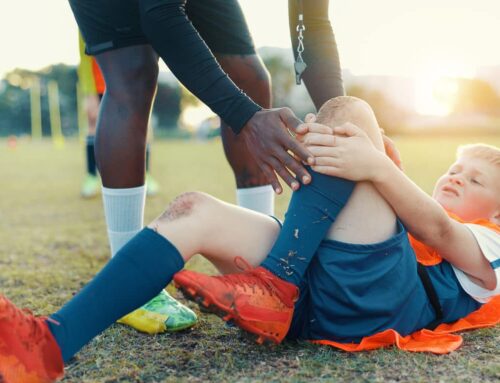
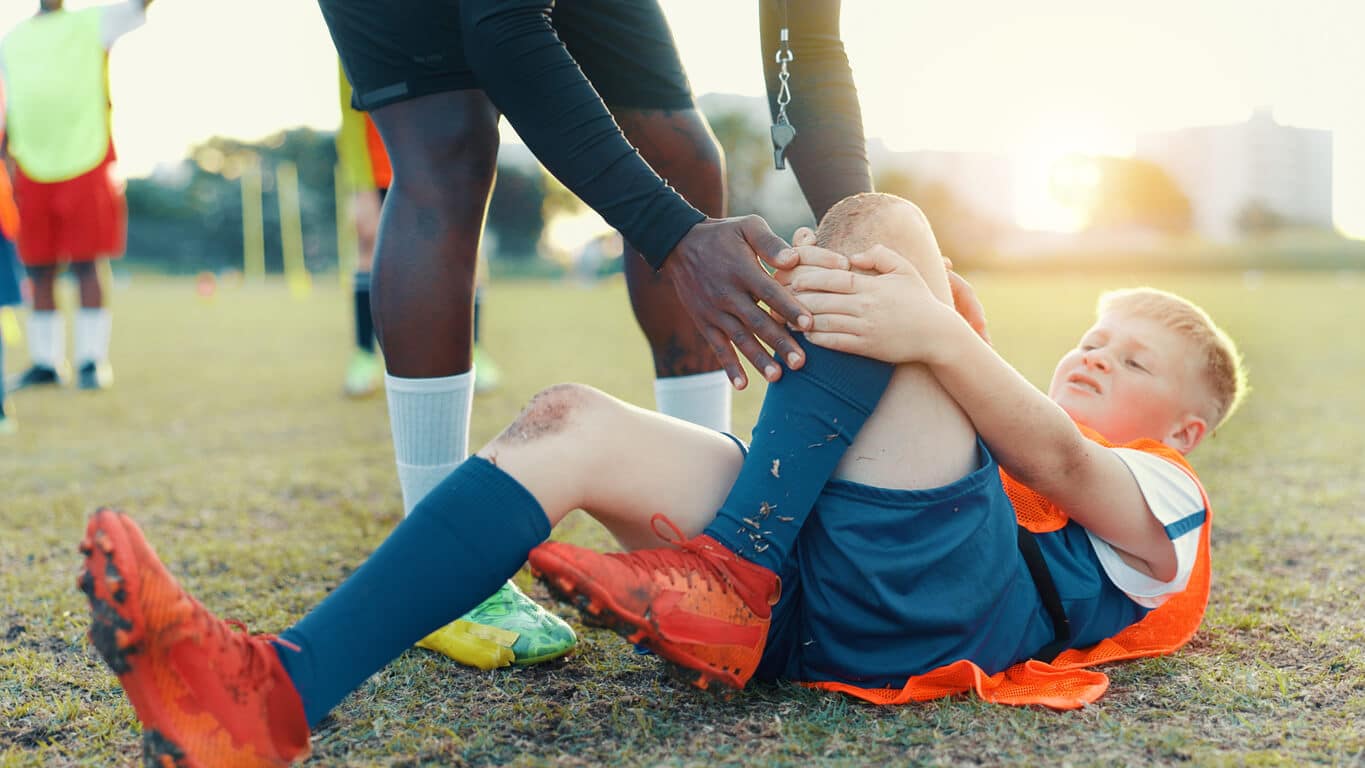
Sports rehabilitation is a critical component of recovery for athletes and active individuals suffering from knee ligament damage. An anterior cruciate ligament (ACL) tear often feels like a devastating blow to your active lifestyle. However, a diagnosis does not always require going under the knife.
Many patients find success with non-surgical approaches that prioritize strengthening and stability. Understanding your options is the first step toward regaining your mobility. This guide explores how specialized therapy aids recovery and gets you back to the activities you love.
Understanding the ACL and Injury Severity
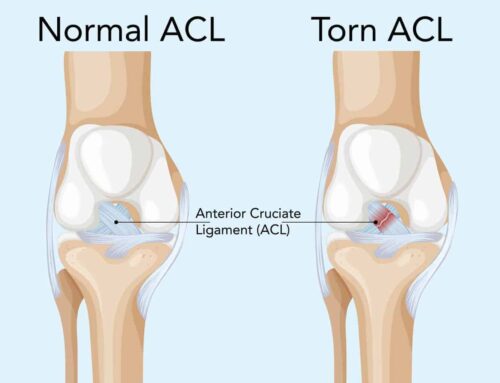
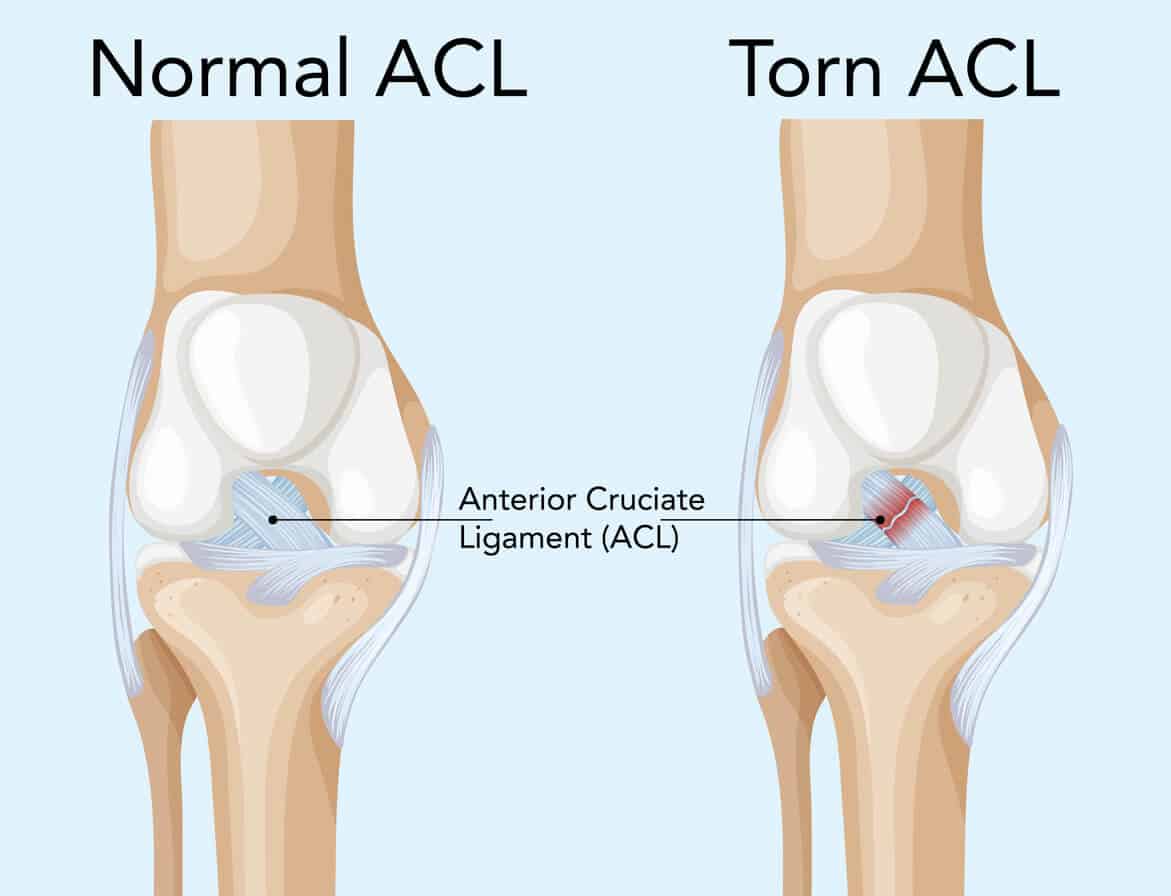
The ACL is one of the key ligaments that help stabilize your knee joint. It connects your thighbone (femur) to your shinbone (tibia). It prevents the shinbone from sliding out in front of the thighbone.
Injuries to this ligament typically happen during sports that involve sudden stops or changes in direction. Basketball, soccer, tennis, and volleyball are common culprits.
Medical professionals grade these injuries on a scale of one to three based on severity.
- Grade 1 Sprain: The ligament is mildly damaged. It has been slightly stretched but is still able to keep the knee joint stable.
- Grade 2 Sprain: The ligament stretches to the point where it becomes loose. This is often referred to as a partial tear of the ligament.
- Grade 3 Sprain: The ligament has been split into two pieces, and the knee joint is unstable. This type of sprain is most commonly referred to as a complete tear of the ligament.
Are There Any Non-Surgical ACL Injury Treatments?
It is a common misconception that every ACL injury requires surgical reconstruction. In reality, there are effective non-surgical ACL injury treatments. This is particularly true for those with Grade 1 or Grade 2 injuries.
Your physician will evaluate several factors before recommending a treatment plan. They will look at your activity level, age, and the severity of the instability. Individuals who do not participate in pivoting sports may recover excellent function through rehabilitation alone.
Even for those with complete tears, a rigorous course of sports rehabilitation is often necessary before surgery. This “pre-hab” reduces swelling and restores good range of motion. This improves surgical outcomes significantly.
The Phases of Sports Rehabilitation for ACL Injuries
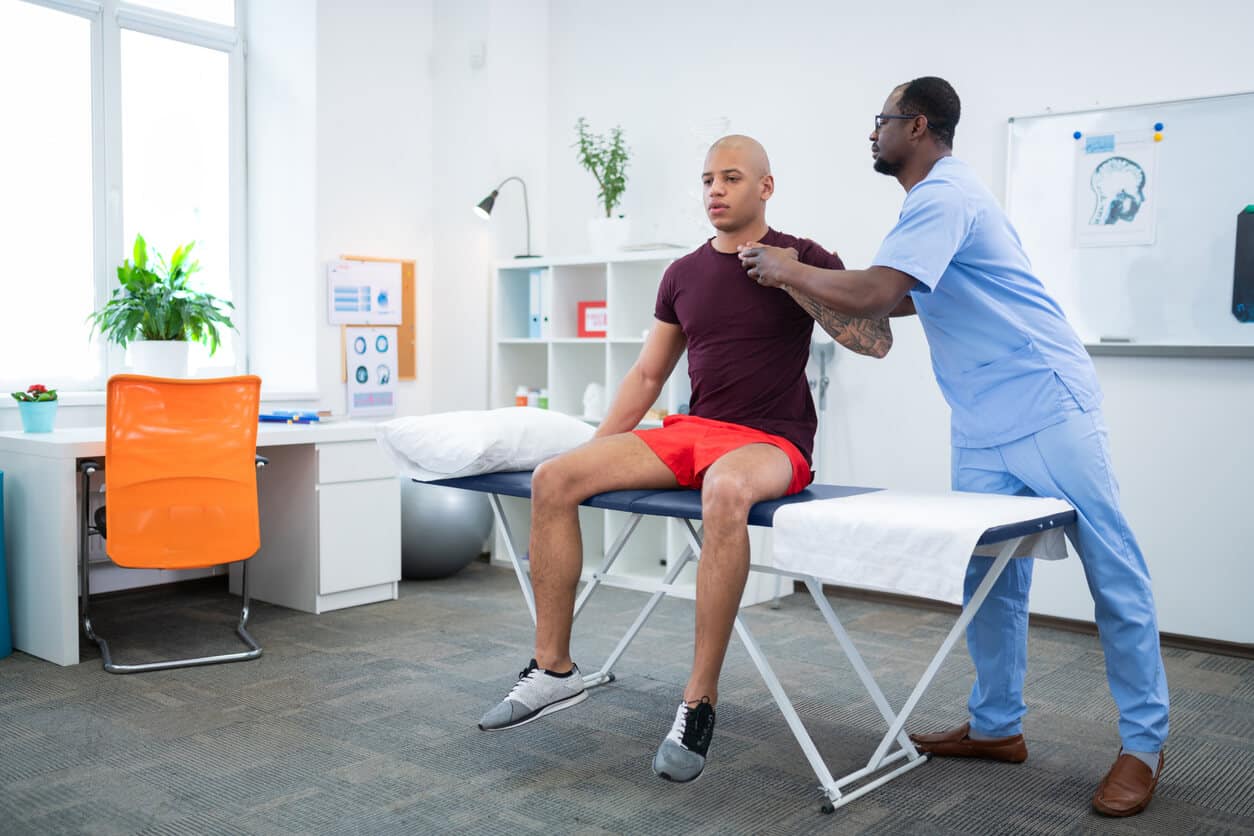
Recovery is a marathon, not a sprint. A structured rehabilitation program focuses on distinct phases to ensure safety and progress. Your physical therapist will guide you through this process.
Phase 1: Reducing Pain and Swelling
The immediate goal following an injury is to protect the joint. Inflammation inhibits muscle function and causes pain. Reducing this swelling is crucial for allowing the muscles to work correctly again.
Therapists often utilize the RICE method (rest, ice, compression, and elevation) alongside gentle movement. You might also use crutches to keep weight off the knee.
Phase 2: Restoring Range of Motion
Stiffness is a major enemy of a healthy knee. Once the initial pain subsides, the focus shifts to regaining full extension and flexion.
You will perform specific stretches and movements to ensure your knee can straighten and bend fully. Achieving full extension is particularly important for walking normally again.
Phase 3: Strengthening and Stability
This is the core of sports rehabilitation. Because the ACL is compromised, the muscles surrounding the knee must work harder to provide stability.
The quadriceps and hamstrings are the primary focus. Strengthening these muscle groups helps act as a secondary stabilizer for the knee joint.
Phase 4: Neuromuscular Control
Your body must relearn how to move safely. This phase involves improving balance and proprioception, which is your body’s ability to sense its position in space.
Exercises might involve balancing on one leg or using a wobble board. These drills train the nervous system to react quickly to unstable surfaces. This protects the knee from giving way during daily activities.
When Is Surgery Necessary?
While conservative care is effective, it is not the right path for everyone. Sports rehabilitation may not provide enough stability for athletes who wish to return to high-demand sports.
If your knee gives way during everyday activities despite therapy, surgery may be required. However, the strength gained during your initial rehab will only help your post-surgical recovery.
Frequently Asked Questions About ACL Rehab
Is Sports Rehabilitation Painful?
You may experience some discomfort as you push your muscles to work. However, therapy should not cause sharp or intense pain. Always communicate with your therapist about your pain levels.
Can I Return to Sports Without Surgery?
Yes, many athletes return to their sports without surgery. This depends on the sport and the success of your rehabilitation. A rigorous testing process usually clears you for return.
Do I Need a Referral for Sports Rehabilitation?
Most insurance plans require a referral from a physician. It is best to consult with an orthopaedic specialist to obtain a diagnosis and prescription for therapy.
Sports Rehabilitation in Cary
Recovering from a knee injury requires a team of dedicated experts. Whether you are pursuing ACL injury treatment without surgery or preparing for a procedure, guidance is essential.
At Cary Orthopaedics, our sports medicine specialists and physical therapists work together to create personalized recovery plans. We serve patients throughout the Triangle area, including Cary, Morrisville, and Holly Springs.
Do not let knee pain keep you on the sidelines. Contact us today at (919) 467-4992 to schedule an appointment and start your journey toward recovery.