
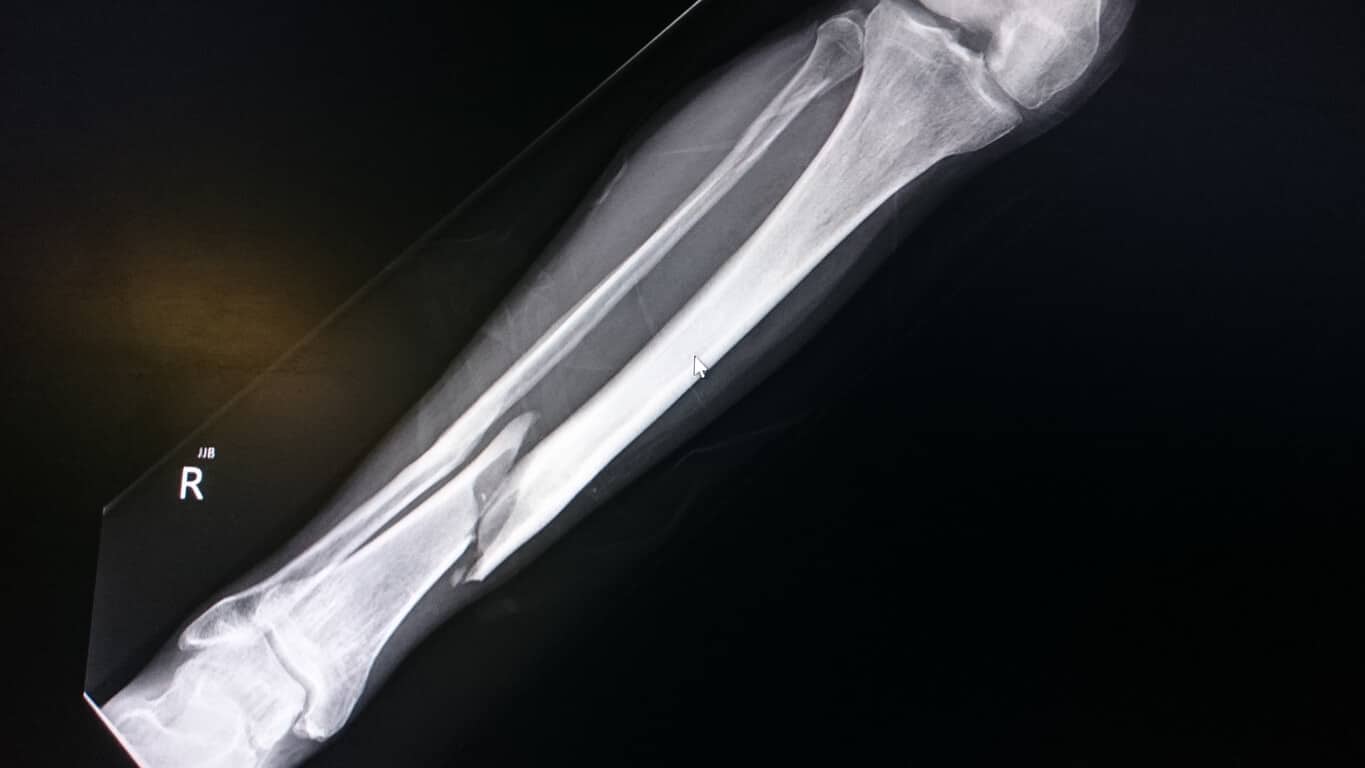
In short, delayed pain from hairline and stress fractures still requires immediate medical evaluation to prevent severe bone structural failure.
- Delayed pain indicates damage: Microscopic bone cracks often cause mild initial discomfort that slowly escalates as repetitive loading continues.
- Initial X-rays miss injuries: Early imaging tests frequently appear normal, which necessitates expert clinical evaluation and potential advanced scans.
- Prompt care prevents nonunion: Immediate immobilization and activity adjustments protect vulnerable bone tissue from progressing to complete breaks.
When you experience a subtle, deep ache after physical activity, seeking urgent care for fractures is essential to prevent a minor injury from worsening. Hairline and stress fractures often develop gradually, which leads many individuals to misinterpret early discomfort as simple muscle soreness. Delaying professional medical evaluation can transform a small microscopic crack into a severe bone displacement.
Repetitive impact from running, jump training, or sudden increases in exercise routines places extreme mechanical stress on human bones. Over time, your body cannot keep up with necessary structural repairs, which results in tiny hairline cracks in the outer layer of bone. Addressing these subtle injuries promptly allows our orthopaedic team to stabilize your limb before severe structural complications arise.
Early recognition of hairline fracture symptoms is the most effective way to ensure a full and rapid recovery. By taking immediate action, you protect your long-term mobility and prevent chronic joint or bone instability.
What Is a Stress Fracture and How Does It Develop?
Understanding the biomechanics of repetitive strain helps explain why delayed pain should never be ignored. Bone is dynamic living tissue that constantly breaks down and rebuilds itself through complex cellular activity.
Understanding Hairline Cracks
A hairline crack is a minor break where the bone fragments remain aligned and intact. These micro-injuries typically affect weight-bearing bones such as the tibia, fibula, and metatarsals in the foot. Without proper rest and stabilization, mechanical pressure expands the hairline crack across the entire bone surface.
Repetitive Stress Versus Acute Trauma
Unlike acute fractures caused by sudden impact or traumatic falls, stress fractures accumulate over weeks of repetitive physical strain. Sudden changes in exercise volume, improper athletic footwear, or running on hard surfaces frequently trigger this structural overload. The pain often begins as a faint ache during activity and subsides during periods of rest.
As repetitive microtrauma continues without adequate rest, the internal bone structure gradually weakens. Over time, normal daily walking can aggravate the site, turning an imperceptible stress reaction into a true hairline fracture.
Why Is Pain Delayed with Hairline Fractures?
Many patients wonder why a structural crack in a bone does not cause severe, immediate pain. The unique nature of bone tissue and inflammatory signaling explains this delayed discomfort.
Biological Mechanisms of Delayed Pain
Initial micro-damage inside the structural matrix of bone causes minimal immediate nerve stimulation and localized swelling. As you continue to walk, run, or exercise on the affected limb, cumulative stress weakens the surrounding bone matrix. Pain gradually intensifies as the periosteum, the nerve-rich outer lining of the bone, becomes severely inflamed.
Because microscopic fractures do not immediately alter bone alignment, sensory receptors do not generate sharp emergency pain signals right away. Instead, you may experience a mild dull ache that worsens only after hours of physical movement. This deceptive delay leads many active individuals to continue training, which inadvertently deepens the microscopic fracture line.
Why Urgent Care for Fractures Is Necessary for Hairline Cracks
Ignoring early warning signs allows micro-injuries to expand into unstable complete fractures. Choosing urgent care for fractures during the initial stages allows healthcare providers to assess bone stability and prescribe targeted rest. Early intervention stops the progression of microscopic damage before irreversible joint or bone complications occur.
Our specialized medical team at Cary Orthopaedics evaluates your localized tenderness, movement patterns, and weight-bearing capacity to formulate a safe treatment path. Getting an authoritative medical opinion early protects your physical recovery and shortens your overall rehabilitation timeline.
Scientific Research on Delayed Fracture Diagnoses and Complications
Medical research highlights the hidden nature of stress injuries and the risks associated with delayed clinical evaluation. Prominent scientific literature notes that standard initial diagnostic tools may not capture early hairline fractures.
A study published in Archives of Endocrinology and Metabolism reveals that initial X-rays fail to detect up to 70 percent of early stress fractures. The researchers noted that structural bone changes often become visible on standard X-ray imaging only after three to four weeks of natural healing activity. Consequently, relying solely on an initial negative X-ray without expert clinical monitoring can lead to dangerous delays in necessary medical treatment.
Furthermore, a clinical review published in StatPearls documents that unmanaged stress reactions frequently progress to complete cortical fractures, nonunion, or chronic disability. The authors reported that high-risk fracture sites, such as the femoral neck or anterior tibia, carry severe risks of displacement if mechanical loading continues. This research reinforces why getting urgent care for fractures promptly is crucial when persistent localized pain occurs.
What Are Common Symptoms That Require Urgent Care for Fractures?
Recognizing the subtle signs of a hairline fracture allows you to seek care before significant bone displacement occurs. You should closely monitor your body for progressive discomfort after physical activity.
Physical Symptoms to Monitor
- Point tenderness on bone: Pain occurs when pressing directly on the affected bone surface.
- Localized swelling and bruising: Mild swelling appears over the site of repetitive stress.
- Pain during physical activity: Discomfort increases during exercise and persists during rest periods.
- Difficulty bearing full weight: Walking becomes uncomfortable or produces a noticeable limp.
- Visible changes in gait: Movement patterns alter to minimize weight on the injured bone.
Red Flag Symptoms Requiring Immediate Care
If you notice severe localized pain, skin discoloration, or an inability to walk, immediate medical attention is required. Sharp pain that awakens you from sleep also indicates advanced structural stress within the bone matrix. Visiting an urgent care for fractures ensures rapid evaluation through specialized orthopaedic techniques.
Delaying medical evaluation when red flag symptoms appear increases the risk of severe soft tissue injury and nerve irritation. Seeking immediate help allows our medical team to protect the limb and stabilize damaged structures effectively.
What Are the Diagnostic Procedures and Medical Treatments?
Accurate evaluation of bone injuries requires advanced medical imaging and expert physical assessment. Our healthcare team uses structured diagnostic pathways to pinpoint the precise severity of your fracture.
Advanced Diagnostic Imaging Options
While plain X-ray scans are standard initial tests, advanced imaging may be required for precise diagnosis. Magnetic resonance imaging or computed tomography scan technology can detect subtle bone marrow edema long before structural cracks appear on standard X-ray films. Computed tomography scan procedures provide detailed cross-sectional views of complex bone architecture.
Non-Surgical Treatment Strategies
Most low-risk stress fractures heal effectively through conservative, non-surgical management protocols. Treatment often involves temporary immobilization using specialized walking boots, rigid casts, or protective splints. Over-the-counter pain relievers such as acetaminophen (Tylenol) or ibuprofen (Advil) may assist with managing discomfort during initial healing.
Specialized Care and Joint Reduction Protocols
For complex injuries involving joint disruption, such as acute shoulder dislocations, prompt medical stabilization is critical. Patients who require emergency joint reduction will be stabilized by our medical team and referred immediately to the appropriate specialist or surgical facility. This collaborative approach guarantees seamless, high-quality patient care.
What Are Potential Complications of Ignoring Delayed Fracture Pain?
Dismissing minor bone discomfort can lead to severe long-term musculoskeletal consequences. Protecting your skeletal integrity requires proactive medical attention at the first sign of pain.
Progression to Complete Fractures
A small hairline crack creates a structural focal point where mechanical forces concentrate during movement. Continued weight-bearing activities can cause the crack to propagate across the entire bone, resulting in a displaced complete fracture. Displaced fractures often require invasive surgical intervention, such as internal fixation with metal screws or plates.
Chronic Pain and Delayed Healing
Delayed treatment increases the likelihood of nonunion, a condition where fractured bone ends fail to heal together properly. Prolonged inflammation can also lead to chronic regional pain and secondary soft tissue injuries in adjacent muscles or tendons. Getting urgent care for fractures significantly reduces the risk of long-term functional impairment.
Additionally, unhealed fractures alter your natural gait, which forces surrounding joints to absorb unnatural mechanical loads. Over time, this compensatory strain can cause secondary breakdown in your knees, hips, or lower back.
What Are Prevention Strategies for Athletes and Active Individuals?
Preventing stress fractures involves managing physical workload, supporting bone density, and using appropriate footwear. Implementing sound training principles safeguards your skeletal system against repetitive strain.
Smart Physical Activity Guidelines
- Gradual training workload increases: Increase your exercise intensity and distance by no more than ten percent per week.
- Low-impact exercise integration: Incorporate cross-training activities like swimming or cycling to reduce mechanical impact on bones.
- Regular athletic shoe replacement: Replace running shoes every 300 to 500 miles to ensure adequate shock absorption.
- Proper movement warm-up routines: Warm up thoroughly before intense activity to prepare muscles and bones for exertion.
- Dedicated recovery rest schedules: Include scheduled rest days in your monthly training plan to allow bone remodeling.
Nutritional and Biological Support
Maintaining optimal bone mineral density requires adequate daily intake of essential minerals and vitamins. Consuming balanced amounts of calcium and vitamin D supports continuous bone remodeling processes. Individuals with conditions like type 1 diabetes or type 2 diabetes should consult medical specialists to monitor bone health, as metabolic conditions can impact structural recovery.
Prioritizing proper nutrition and adequate sleep accelerates tissue repair and reduces the risk of bone micro-damage. Working alongside healthcare professionals ensures your physical activity aligns with your overall bone health.
Choosing Cary Orthopaedics for Urgent Care for Fractures in Holly Springs, NC
When unexpected bone pain or physical trauma threatens your active lifestyle, accessing specialized care is essential. Our dedicated team provides compassionate, comprehensive orthopaedic evaluations tailored to your unique recovery needs.
If you suspect a hairline crack or experience delayed pain after activity, seeking urgent care for fractures in Holly Springs, NC ensures accurate diagnosis and timely treatment. Cary Orthopaedics offers state-of-the-art diagnostic imaging, expert stabilization, and customized rehabilitation programs designed to restore your mobility safely.
To learn more about our comprehensive orthopaedic services or to schedule an immediate consultation with our expert healthcare team, walk in during our operating hours or call us at (919) 346-8655. Do not let delayed bone pain turn into a long-term injury. Reach out to our team today for exceptional patient-centered care.