In short,
- Some ACL injuries can heal without surgery through conservative treatment and rehabilitation.
- Success depends on injury severity, activity level, and knee stability requirements.
- Partial tears and low-demand patients often achieve good outcomes with non-surgical management.
Understanding ACL Injuries
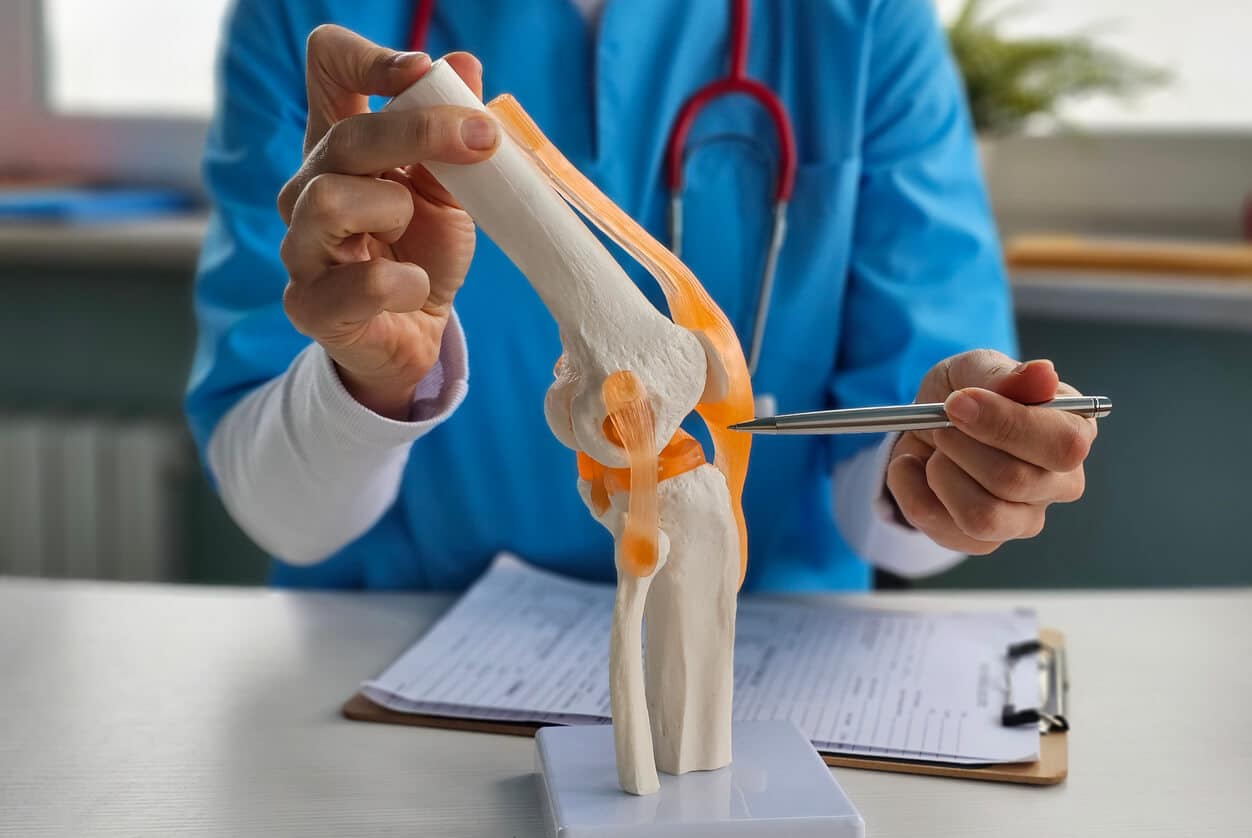
The anterior cruciate ligament, or ACL, is one of four major ligaments stabilizing your knee joint. This strong band of tissue connects your thighbone to your shinbone, preventing excessive forward movement of the tibia and controlling rotational stability.
When the ACL tears, typically from sudden stops, pivoting, or direct impact, your knee may feel unstable and give way during activities.
Types of ACL Tears
ACL injuries range in severity from mild to complete tears.
- Partial tears involve damage to some but not all ligament fibers, potentially maintaining some stability.
- Complete tears involve full ligament rupture, eliminating ACL function entirely.
The tear location and extent significantly influence whether non-surgical treatment can succeed.
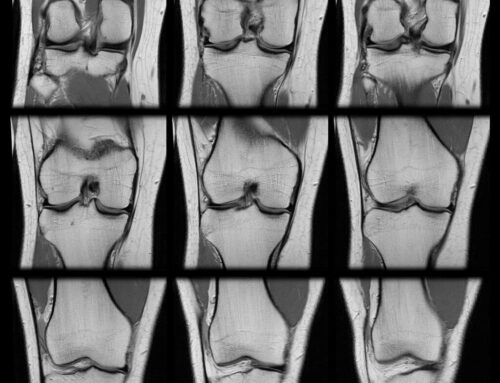
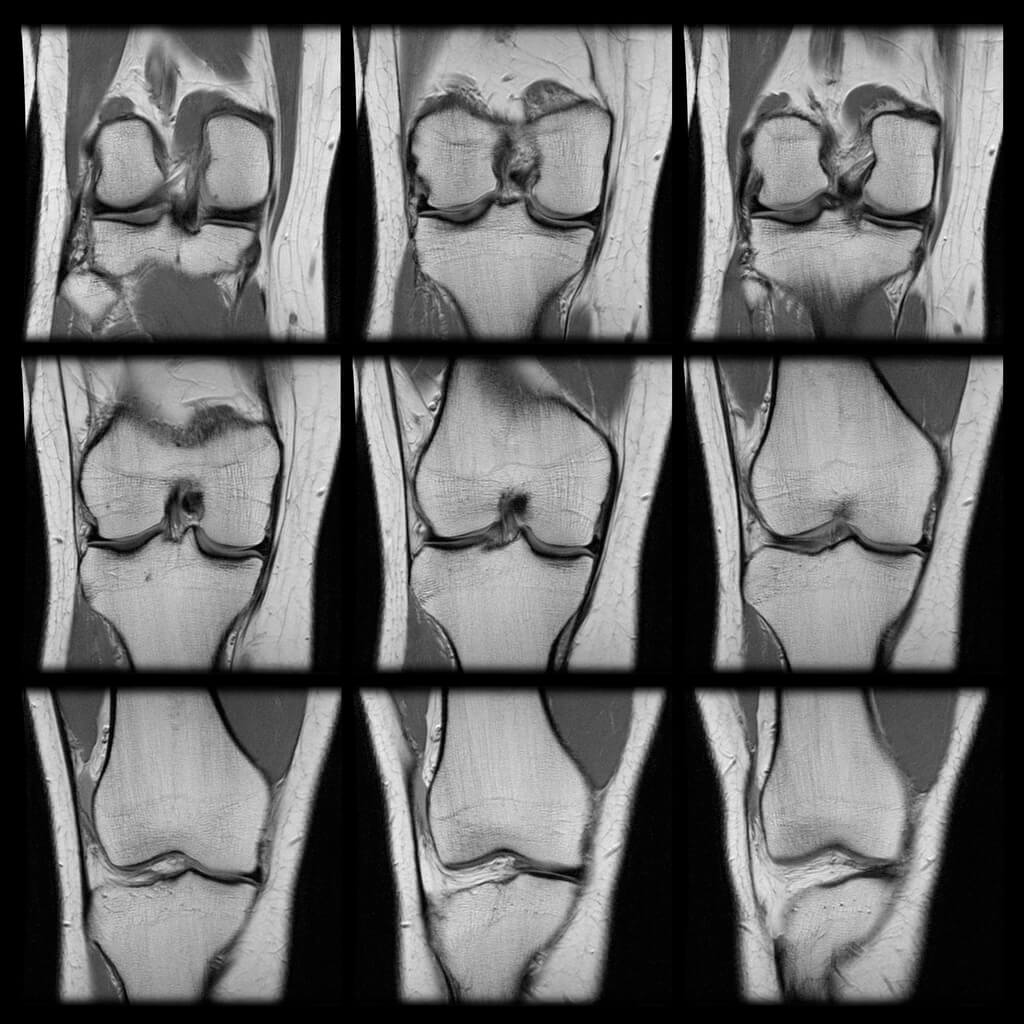
Your orthopedic specialist determines injury severity through physical examination and imaging studies including MRI, which visualizes soft tissue damage and identifies associated injuries to meniscus or other ligaments.
Who May Not Need Surgery
Several patient groups may successfully manage ACL injuries without surgery. Individuals with partial ACL tears that preserve some ligament function often achieve good outcomes with conservative treatment. Older adults with lower activity demands who don’t participate in pivoting sports may not require surgical reconstruction.
People willing to modify activities and avoid high-risk movements can protect the injured knee while it heals. Children with open growth plates may delay surgery until skeletal maturity to avoid potential growth complications.
Patients with medical conditions that increase surgical risks may choose conservative management when appropriate.
ACL Injury Treatment Without Surgery
Conservative management focuses on reducing pain and swelling, restoring range of motion, rebuilding strength, and improving stability through rehabilitation.
Initial Treatment Phase
Immediately after injury, the RICE protocol reduces pain and swelling:
- Rest from activities that stress the knee.
- Ice application for 15 to 20 minutes several times daily.
- Compression using elastic bandages to control swelling.
- Elevation above heart level when resting.
Anti-inflammatory medications help manage pain and inflammation during the acute phase.
Physical Therapy Program
Your physical therapist develops a progressive program addressing a range of motion exercises to restore full knee flexibility and strengthening exercises targeting quadriceps, hamstrings, and hip muscles that support knee stability. The program also includes balance and proprioception training to improve joint position awareness, and functional exercises mimicking daily activities and sport-specific movements.
Rehabilitation typically spans several months, with gradual progression based on your response and goals. Consistent participation and adherence to home exercises significantly influence outcomes.
Knee Bracing
Functional knee braces provide external support during activities, potentially reducing instability episodes. While braces don’t heal the ACL, they may allow safer participation in moderate activities. Bracing for knee osteoarthritis uses similar concepts, providing joint support and potentially reducing pain, though the mechanisms differ from ACL bracing.
Your orthopedic team determines if bracing is appropriate for your situation and activity level.
Activity Modification
Successfully managing ACL injuries without surgery requires realistic activity modifications. Avoid pivoting and cutting movements that stress the injured ligament. Choose low-impact activities like swimming, cycling, or walking that don’t challenge knee stability. Gradually progress activity intensity based on symptoms and stability.
Some individuals successfully return to recreational activities with modified techniques and appropriate precautions. However, returning to high-level pivoting sports like soccer, basketball, or skiing without surgical reconstruction carries significant re-injury risk.
Factors Influencing Non-Surgical Success
Several factors determine whether non-surgical treatment will meet your needs. Injury severity significantly impacts outcomes, with partial tears responding better than complete ruptures. Your activity level and goals influence whether conservative treatment provides adequate stability for your lifestyle.
Age affects healing capacity and activity demands, with younger, more active individuals typically benefiting more from surgical reconstruction. Associated injuries to the meniscus or other ligaments may necessitate surgery regardless of ACL tear type.
Knee stability during functional activities predicts long-term success, with persistent instability suggesting surgical reconstruction may be necessary.
Potential Risks of Non-Surgical Management
Choosing conservative treatment carries certain risks you should understand. Chronic knee instability may develop, causing frequent giving way episodes that limit activities and confidence.
Recurrent instability increases the risk of secondary injuries to the meniscus and cartilage. Over time, these additional injuries accelerate the development of knee osteoarthritis.
When Surgery Becomes Necessary
Certain situations strongly favor surgical reconstruction. Young, active individuals who want to return to pivoting sports typically need surgery to achieve adequate stability. People experiencing frequent instability episodes during daily activities benefit from reconstruction.
Combined injuries involving ACL tears with meniscus tears requiring repair generally need surgical intervention.
Failed conservative treatment after several months of dedicated rehabilitation suggests surgery may be necessary. Persistent instability despite appropriate bracing and activity modification indicates the knee cannot compensate for ACL loss.
Surgical Reconstruction Overview
ACL reconstruction surgery uses a graft, typically from your own hamstring or patellar tendon, to create a new ligament. The procedure is performed arthroscopically through small incisions, allowing faster recovery than traditional open surgery. Rehabilitation following reconstruction typically spans six to nine months before full return to sports.
Surgical outcomes are generally excellent, with most patients achieving stable knees and returning to desired activities. Success depends on surgical technique, graft selection, rehabilitation adherence, and individual healing capacity.
Making Your Decision
Choosing between surgical and non-surgical ACL treatment requires careful consideration of multiple factors. Discuss your activity goals, lifestyle demands, and risk tolerance with your orthopedic team. Consider the time commitment for rehabilitation, which is substantial regardless of treatment choice.
Understand that choosing conservative treatment initially doesn’t eliminate the surgical option. Many patients attempt non-surgical management first, then proceed to reconstruction if outcomes don’t meet their needs. This sequential approach allows informed decision-making based on actual functional results.
Long-Term Outlook
With appropriate treatment, whether surgical or non-surgical, most ACL injury patients achieve good long-term function. Non-surgical management succeeds for properly selected patients who commit to rehabilitation and activity modification. Regular follow-up with your orthopedic team monitors knee health and addresses any developing concerns.
Maintaining strong supporting muscles through ongoing exercise protects your knee and may slow osteoarthritis development. Weight management reduces joint stress and preserves knee health over time.
Expert ACL Injury Treatment Without Surgery in Cary
At Cary Orthopaedics, our experienced orthopedic team provides comprehensive evaluation and treatment for ACL injuries. We thoroughly assess your injury severity, activity goals, and individual circumstances to recommend the most appropriate treatment approach. Whether you pursue conservative management or surgical reconstruction, our team supports you with expert care, advanced rehabilitation programs, and personalized attention throughout your recovery journey.
Call Cary Orthopaedics today at (919) 467-4992 to schedule your consultation and learn which ACL treatment option best suits your needs and goals.