In short, the ideal treatment plan depends entirely on the location, severity, and type of break you have experienced.
- Immobilization is often sufficient. Many fractures heal effectively with casts or splints that keep the bone in place during recovery.
- Surgery may be required. Complex breaks involving joints or multiple fragments often necessitate surgical intervention for proper alignment.
- Rehabilitation ensures long-term function. Physical therapy is a critical component of treatment to restore strength and range of motion.
This guide explores the various methods orthopedic specialists use to treat fractures. We will look at non-invasive options, surgical procedures, and the vital role of rehabilitation. You will learn what to expect during the healing process.
How Do Doctors Diagnose Fractures?
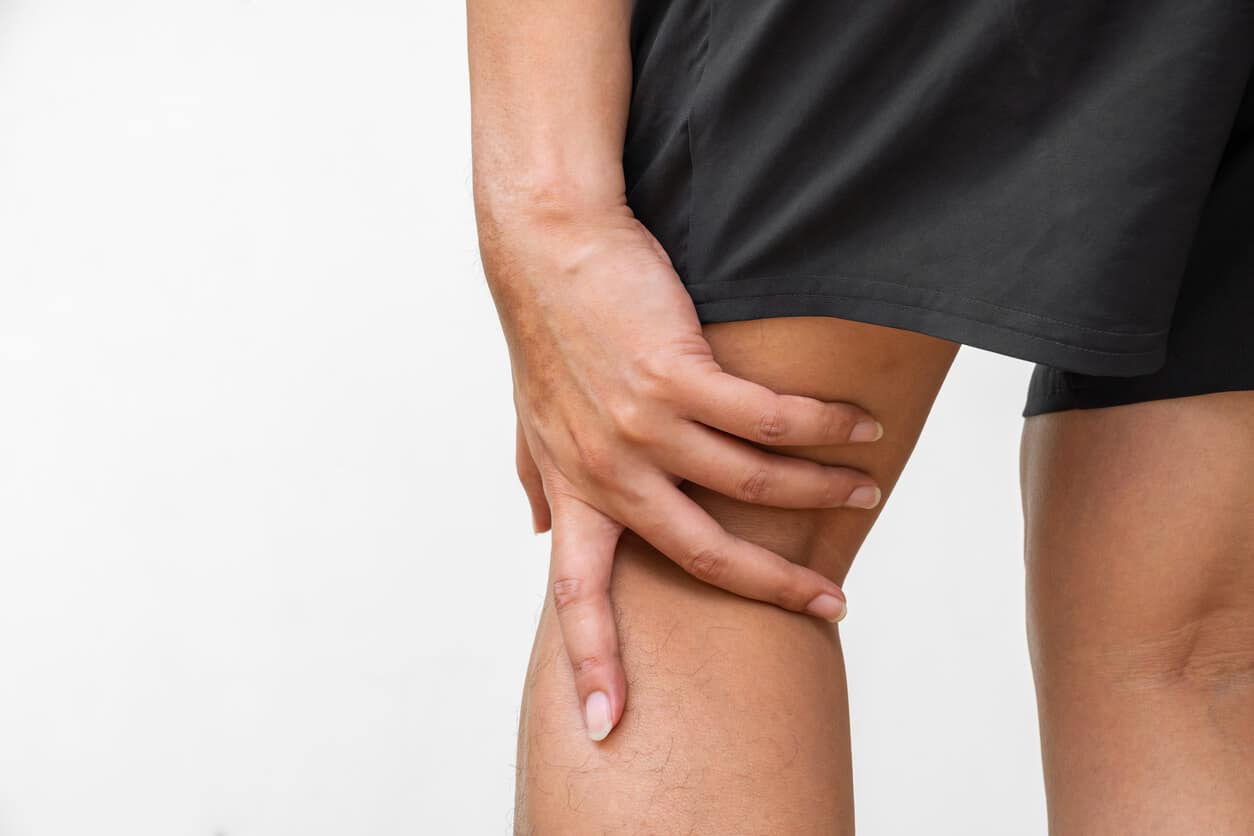
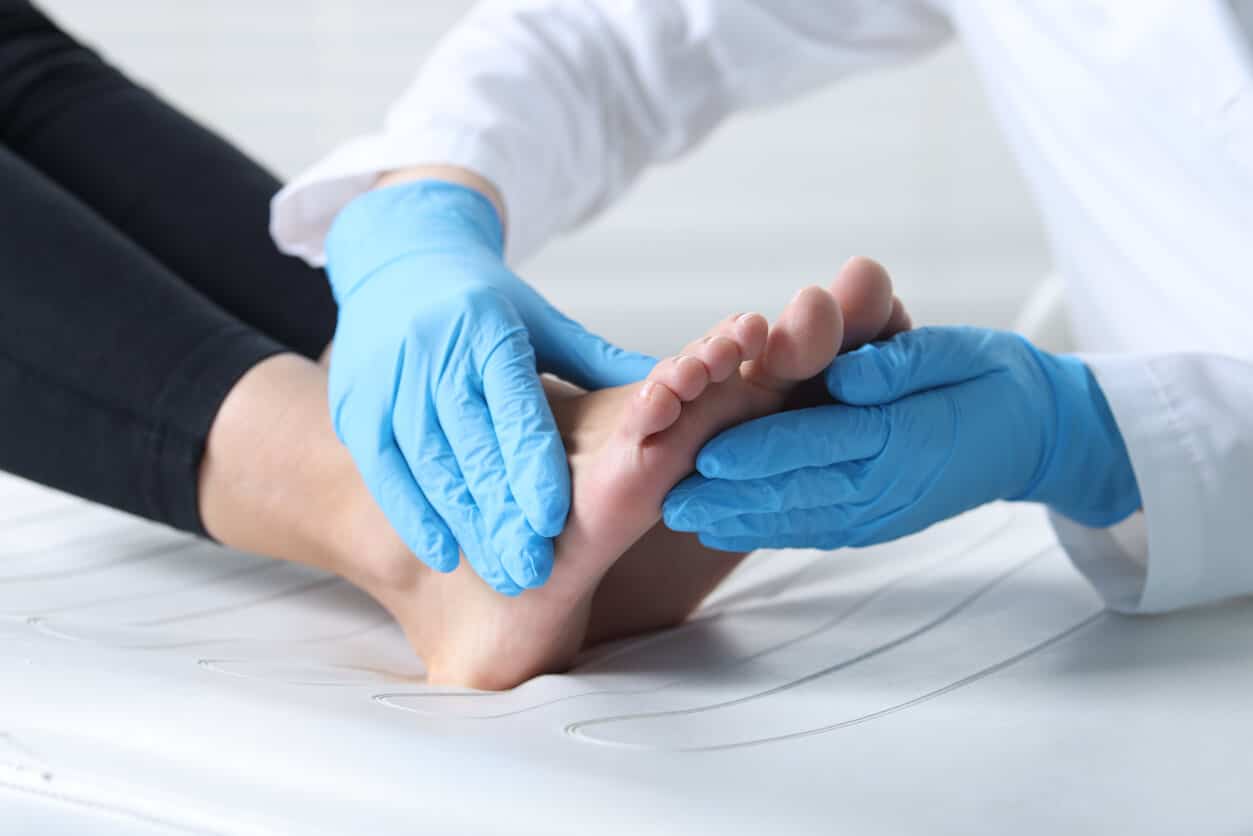
Before a physician can determine the best bone fracture treatment, they must understand the nature of the injury. Diagnosis usually begins with a physical examination. Your doctor will look for visible deformity, swelling, and bruising.
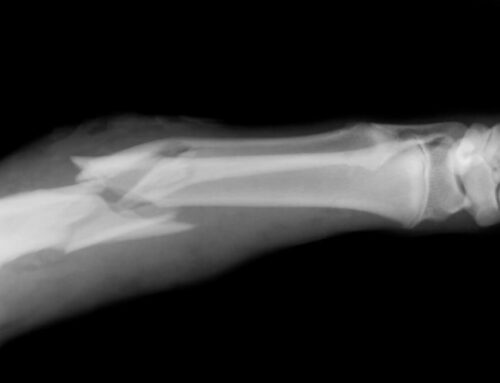
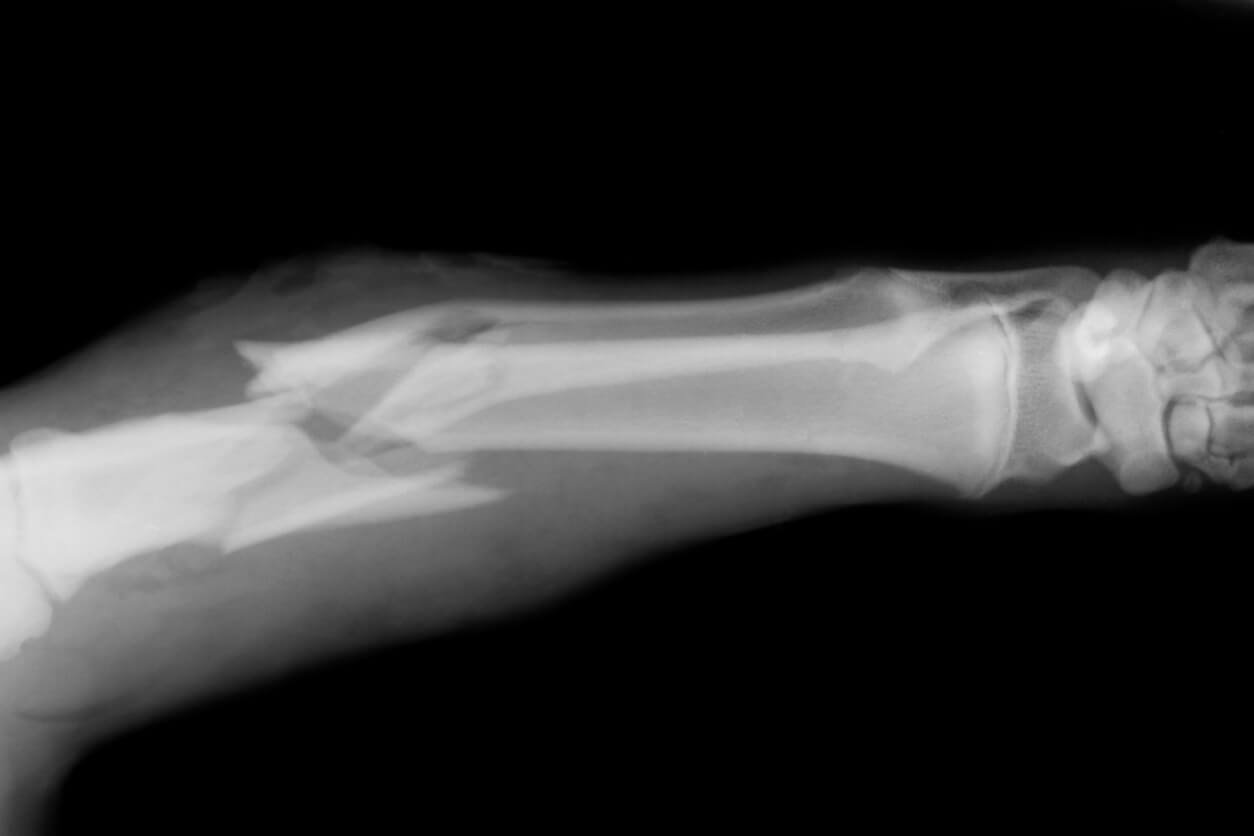
They will also assess your ability to move the injured area. However, imaging tests are the gold standard for confirmation. X-rays are typically the first step to visualize the bone structure.
For more complex injuries, an MRI or CT scan may be necessary. These advanced scans provide a detailed view of the bones and surrounding soft tissues. This precision is vital for planning effective treatment.
What Determines the Best Bone Fracture Treatment?
There is no single approach that works for every patient. Your orthopedist will consider several factors before recommending a specific course of action. The location of the break is a primary determinant.
For instance, a fracture in a weight-bearing bone like the femur requires different care than a finger fracture. The pattern of the break also matters. A clean break is simpler to treat than a bone that has shattered into multiple pieces.
Your age and general health play a crucial role, as well. Children often heal faster than adults and may require less invasive methods. Alternatively, older adults with lower bone density may need specialized surgical care.
Non-Surgical Treatment Options
Most broken bones can heal without surgery. The goal of non-surgical treatment is to immobilize the bone so it can knit back together naturally. This is often the preferred route for stable fractures.
Cast Immobilization
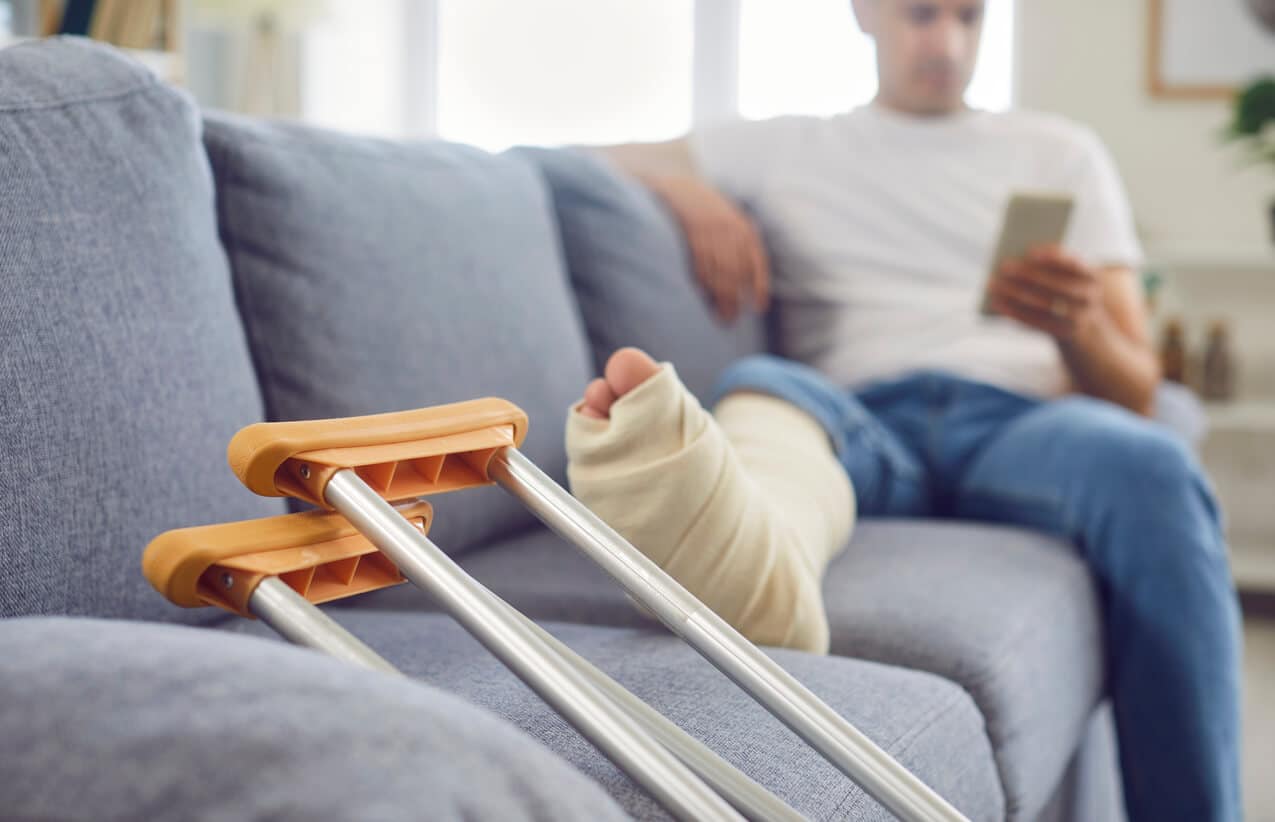
Plaster or fiberglass casts are the most common form of bone fracture treatment. They hold the broken ends of the bone in proper alignment while they heal. Casts are custom-made to fit your limb securely.
Functional Casts or Braces
In some cases, a doctor may allow limited movement of the nearby joints. A functional cast or brace permits this controlled movement. This approach is desirable because it can prevent joint stiffness during recovery.
Traction
Traction is a method used less frequently today but is still valuable in specific situations. It involves a steady, gentle pulling action to align the bone. This is often a temporary measure used before surgery.
When Is Surgery Necessary?
Surgery becomes necessary when non-surgical methods cannot ensure proper healing. If the bone fragments have moved significantly out of place, they must be realigned manually. This is often the case for open fractures where the bone breaks the skin.
Internal Fixation
This is a common surgical procedure. The surgeon places metal plates, pins, or screws directly onto the bone to hold it in place. These implants are usually permanent and remain under the skin.
External Fixation
In this procedure, metal pins or screws are placed into the broken bone above and below the fracture site. These pins connect to a metal bar outside the skin. This frame holds the bones in the proper position so they can heal.
Intramedullary Nailing
This method involves placing a metal rod into the hollow center of the bone. The rod acts as an internal splint to stabilize the fracture. It is commonly used for large bones in the leg.
The Healing Process and Rehabilitation
Recovery does not end once the cast is removed or the surgery is complete. The muscles surrounding the injury often weaken from lack of use. Stiffness is also a common complaint after weeks of immobilization.
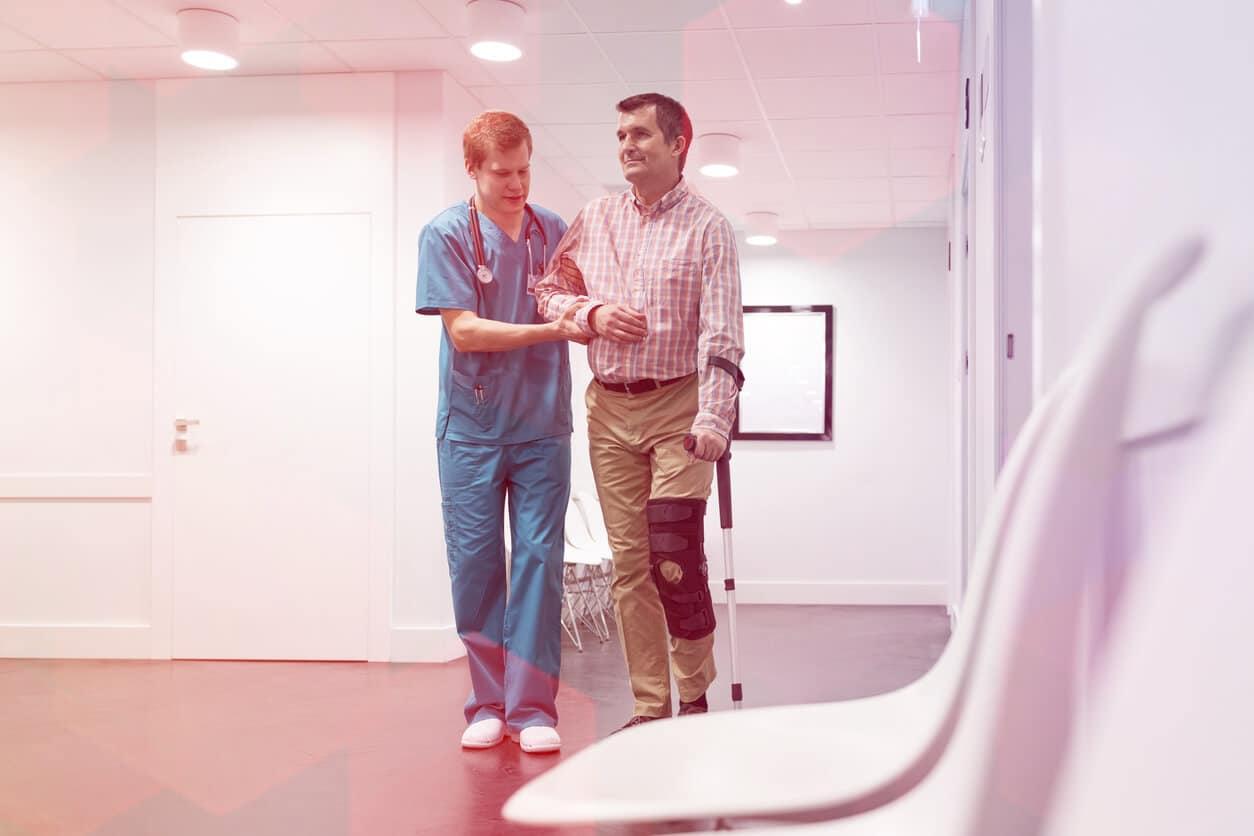
Physical therapy is a vital part of effective bone fracture treatment. A therapist will guide you through exercises to rebuild strength. They also help improve flexibility and range of motion.
The duration of rehabilitation depends on the severity of the injury. It requires patience and dedication to your prescribed exercises. Following your therapist’s advice is crucial for a full return to activity.
Factors That Influence Healing Speed
Several biological and lifestyle factors influence how quickly your bone repairs itself. Nutrition is a key component of recovery. Your body requires adequate calcium and vitamin D to rebuild bone tissue. Patients who maintain a balanced diet often experience smoother recoveries.
Conversely, certain habits can impede progress. Smoking is one of the most significant detriments to bone healing. Nicotine constricts blood vessels and reduces blood flow to the fracture site.
For fractures that are slow to heal, doctors may prescribe a bone stimulator. This non-invasive device uses painless ultrasound or electromagnetic waves to jumpstart the body’s natural healing process.
Managing Pain During Recovery
Pain management is an important part of your treatment plan. In the initial stages, your doctor may prescribe medication to help you cope. It is important to use these medications exactly as directed.
Over-the-counter options like acetaminophen (Tylenol) or ibuprofen (Advil) are often sufficient for later stages of healing. Elevating the injured limb can also help reduce throbbing and swelling. Ice packs applied near the injury site provide natural pain relief.
Potential Complications to Watch For
While most fractures heal without issues, complications can arise. Infection is a risk with any surgery or open fracture. Signs include increased redness, warmth, or fever.
Another possible complication is compartment syndrome. This occurs when pressure builds up within the muscles to dangerous levels. It causes severe pain and requires emergency medical attention.
Non-union or malunion are terms used when the bone fails to heal or heals in the wrong position. These issues may require further bone fracture treatment, including additional surgery. Regular follow-up appointments allow your doctor to catch these issues early.
Finding Expert Bone Fracture Treatment in Cary, NC
Choosing the right medical team makes a significant difference in your recovery journey. You need a provider who combines technical expertise with compassionate care. Residents of the Triangle area have access to top-tier orthopedic specialists.
At Cary Orthopaedics, we understand that every patient has unique goals for their recovery. Whether you need complex hand surgery or a simple waterproof cast, we tailor our approach to you. Our board-certified specialists serve patients in Cary, Morrisville, and Holly Springs.
Contact Cary Orthopaedics today at (919) 573-4825 to schedule your consultation. Let us help you get back in motion!